If you have any questions, you are always welcome to contact us. We'll get back to you as soon as possible, withing 24 hours on weekdays.
Customer service
All questions about your order, return and delivery must be sent to our customer service team by e-mail at yourstore@yourdomain.com
Sale & Press
If you are interested in selling our products, need more information about our brand or wish to make a collaboration, please contact us at press@yourdomain.com
Help
If you have any questions, you are always welcome to contact us. We'll get back to you as soon as possible, withing 24 hours on weekdays.
Customer service
All questions about your order, return and delivery must be sent to our customer service team by e-mail at yourstore@yourdomain.com
Sale & Press
If you are interested in selling our products, need more information about our brand or wish to make a collaboration, please contact us at press@yourdomain.com
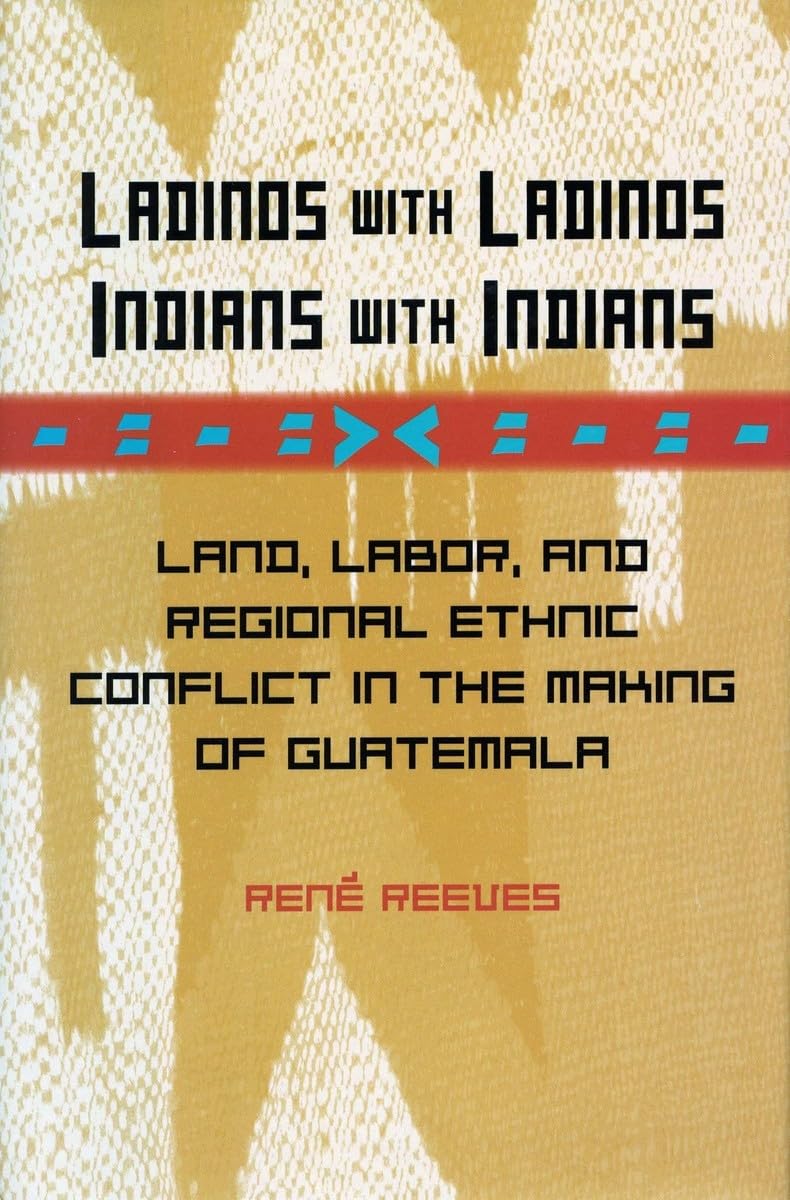
In the late 1830s an uprising of mestizos and Maya destroyed Guatemala's Liberal government for imposing reforms aimed at expanding the state, assimilating indigenous peoples, and encouraging commercial agriculture. Liberal partisans were unable to retake the state until 1871, but after they did they successfully implemented their earlier reform agenda. In contrast to the late 1830s, they met only sporadic resistance. Reeves confronts this paradox of Guatemala's nineteenth century by focusing on the rural folk of the western highlands. He links the area of study to the national level in an explicitly comparative enterprise, unlike most investigations of Mesoamerican communities. He finds that changes in land, labor, and ethnic politics from the 1840s to the 1870s left popular sectors unwilling or unable to mount a repeat of the earlier antiLiberal mobilization. Because of these changes, the Liberals of the 1870s and beyond consolidated their hold on power more successfully than their counterparts of the 1830s. Ultimately, Reeves shows that community politics and regional ethnic tensions were the crucible of nationstate formation in nineteenthcentury Guatemala.
⚠️ WARNING (California Proposition 65):
This product may contain chemicals known to the State of California to cause cancer,
birth defects, or other reproductive harm.
For MAP (Minimum Advertised Price) violations and Intellectual Property (IP) or Trademark concerns, please contact:
support@ergodebooks.com
⚠️ California Proposition 65 Warning: Some products sold on this website may expose you to chemicals known to the State of California to cause cancer, birth defects, or other reproductive harm. For more information, visit www.P65Warnings.ca.gov.