
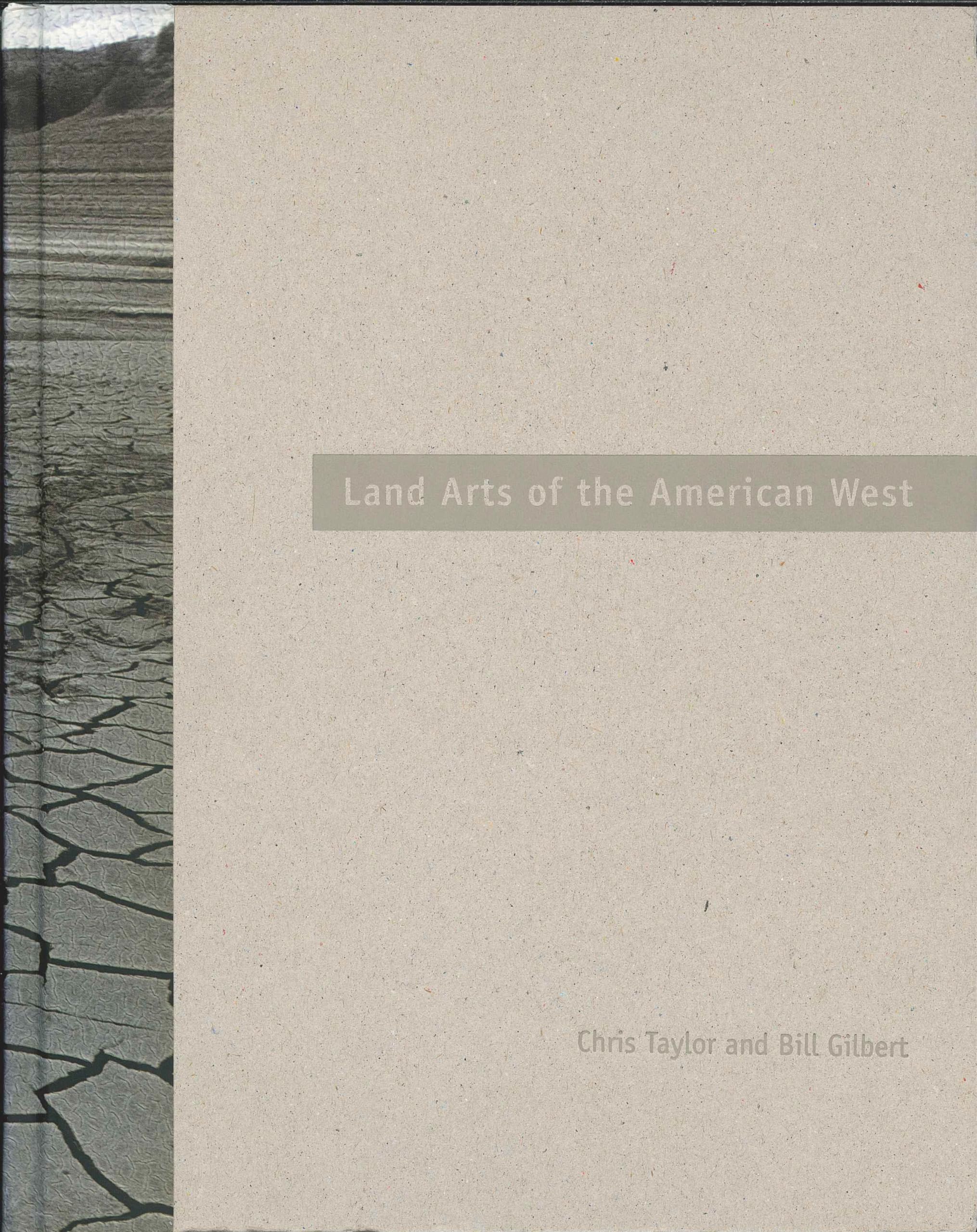
Title
Land Arts of the American West,Used
Sold by Ergodebooks, an authorized reseller.
Returns accepted within 30 days | support@ergodebooks.com
Shipping Information
- Free Standard Shipping — United States only
- Processing Time: 3–5 business days
- Estimated Delivery: 6–10 business days after dispatch
- Double-boxed, fully insured & discreetly packaged
- Tracking number sent via email once dispatched
Returns & Refund
Returns accepted within 30 days of delivery.
Damaged or Defective Item
Free return shipping + replacement or full refund
Wrong Item Received
Free return shipping + replacement or full refund
Change of Mind
Return shipping at customer's expense · 25% restocking fee applies
Payment Option

Land art encompasses the full spectrum of human responses to a specific landscape over time. From the perspective of architect Chris Taylor and artist Bill Gilbert, land art ranges from the inscription of pictographs and petrogylphs to the construction of roads, dwellings, and monuments, as well as traces of those actions. It includes gestures both small and grand, directing our attention from potsherd, cigarette butt, and mark in the sand to human settlements, monumental artworks, and military/industrial projects such as hydroelectric dams and decommissioned airfields.In Land Arts of the American West, Taylor and Gilbert present the results of a remarkable ongoing collaboration in which they investigate and create land art with students from the University of Texas and the University of New Mexico. The land arts program was started by Bill Gilbert in 2000 and has developed as a collaboration between Gilbert and Taylor since 2002. The description of the program in this book is organized around places that the authors and their students visit during a twomonth journey each fall, ranging from Native American sites such as Chaco Canyon, to manmade industrial structures such as Hoover Dam and Lake Mead, to monumental earthworks such as Robert Smithson's Spiral Jetty in the Great Salt Lake.Each place in Land Arts comes alive through color photographs accompanied by descriptive information about the site's natural and human history; students' journal entries that present firstperson experiences of the place; and essays by experts in archaeology, art history, architecture, writing, activism, studio art, and design who join the group as they travel. Woven throughout the text is a conversation among Taylor, Gilbert, and writer William L. Fox, who draws the authors out about the land art program's origins, pedagogic mission, field operations, interactions with guest lecturers, and future directions.
⚠️ WARNING (California Proposition 65):
This product may contain chemicals known to the State of California to cause cancer, birth defects, or other reproductive harm.
For more information, please visit www.P65Warnings.ca.gov.
- Q: What is the page count of 'Land Arts of the American West'? A: The book has four hundred twenty-two pages. This extensive page count allows for a comprehensive exploration of land art and its significance.
- Q: What are the dimensions of 'Land Arts of the American West'? A: The book measures eight inches in length, one point two inches in width, and ten inches in height. These dimensions make it a substantial hardcover book.
- Q: What type of binding does 'Land Arts of the American West' have? A: This book is bound in hardcover. The hardcover binding provides durability and a premium feel, suitable for display.
- Q: Who are the authors of 'Land Arts of the American West'? A: The authors are Chris Taylor and Bill Gilbert. Both authors are recognized for their contributions to the field of land art.
- Q: What is the main theme of 'Land Arts of the American West'? A: The book explores the concept of land art as a response to landscapes over time. It highlights the collaboration between students and authors in creating land art.
- Q: What educational institutions are involved in the land arts program? A: The program includes students from the University of Texas and the University of New Mexico. This collaboration enriches the learning experience for participants.
- Q: How do students contribute to 'Land Arts of the American West'? A: Students provide journal entries reflecting their personal experiences during the program. These entries enhance the narrative by offering first-person perspectives.
- Q: Is 'Land Arts of the American West' suitable for all ages? A: Yes, the book can be suitable for various age groups, particularly those interested in art and landscape discussions. However, parental guidance may be beneficial for younger readers.
- Q: What kind of photographs are included in 'Land Arts of the American West'? A: The book features color photographs of various sites. These images visually document the land art and its context, enriching the reading experience.
- Q: Are there essays by experts in the book? A: Yes, the book includes essays by experts in fields such as archaeology and art history. These essays provide additional insights and depth to the topic of land art.
- Q: What should I do if my copy of 'Land Arts of the American West' arrives damaged? A: Contact the seller to initiate a return or exchange process. Most sellers have policies in place to address issues with damaged items.
- Q: Can I find information about Native American sites in this book? A: Yes, the book includes discussions on Native American sites like Chaco Canyon. This offers readers a connection to historical and cultural landscapes.
- Q: Is there a specific geographical focus in 'Land Arts of the American West'? A: Yes, the book focuses on the American West. This geographical emphasis allows for a rich exploration of diverse landscapes and their artistic interpretations.
- Q: How does the book address the future of land art? A: The authors discuss future directions for the land arts program. This reflection provides insight into the evolving nature of land art and its educational impact.
- Q: What is the publication year of 'Land Arts of the American West'? A: The book was published by the University of Texas Press. The specific publication year can be found in the book's details.