
Title
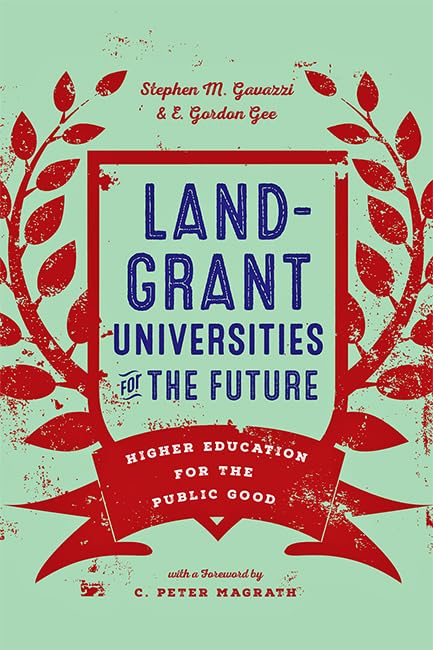
LandGrant Universities for the Future: Higher Education for the Public Good,Used
Sold by Ergodebooks, an authorized reseller.
Returns accepted within 30 days | support@ergodebooks.com
Shipping Information
- Free Standard Shipping — United States only
- Processing Time: 3–5 business days
- Estimated Delivery: 6–10 business days after dispatch
- Double-boxed, fully insured & discreetly packaged
- Tracking number sent via email once dispatched
Returns & Refund
Returns accepted within 30 days of delivery.
Damaged or Defective Item
Free return shipping + replacement or full refund
Wrong Item Received
Free return shipping + replacement or full refund
Change of Mind
Return shipping at customer's expense · 25% restocking fee applies
Payment Option

Landgrant colleges and universities have a storied past. This book looks at their future.Landgrant colleges and universities occupy a special place in the landscape of American higher education. Publicly funded agricultural and technical educational institutions were first founded in the midnineteenth century with the Morrill Act, which established land grants to support these schools. They include such prominent names as Cornell, Maryland, Michigan State, MIT, Ohio State, Penn State, Rutgers, Texas A&M, West Virginia University, Wisconsin, and the University of Californiain other words, four dozen of the largest and best public universities in America. Add to this a number of historically black colleges and universities (HBCUs) and tribal collegesin all, almost 300 institutions. Their mission is a democratic and pragmatic one: to bring science, technology, agriculture, and the arts to the American people.In this book, Stephen M. Gavazzi and E. Gordon Gee discuss present challenges to and future opportunities for these institutions. Drawing on interviews with 27 college presidents and chancellors, Gavazzi and Gee explore the strengths and weaknesses of landgrant universities while examining the changing threats they face. Arguing that the landgrant university of the twentyfirst century is responsible to a wide range of constituencies, the authors also pay specific attention to the ways these universities meet the needs of the communities they serve. Ultimately, the book suggests that leaders and supporters should become more fiercely landgrant in their orientation; that is, they should work to more vigorously uphold their communityfocused missions through teaching, research, and serviceoriented activities.Combining extensive research with Gees own decades of leadership experience, LandGrant Universities for the Future argues that these schools are the engine of higher education in Americaand perhaps democracys best hope. This book should be of great interest to faculty members and students, as well as those parents, legislators, policymakers, and other area stakeholders who have a vested interest in the wellbeing of Americas original public universities.
⚠️ WARNING (California Proposition 65):
This product may contain chemicals known to the State of California to cause cancer, birth defects, or other reproductive harm.
For more information, please visit www.P65Warnings.ca.gov.