
Title
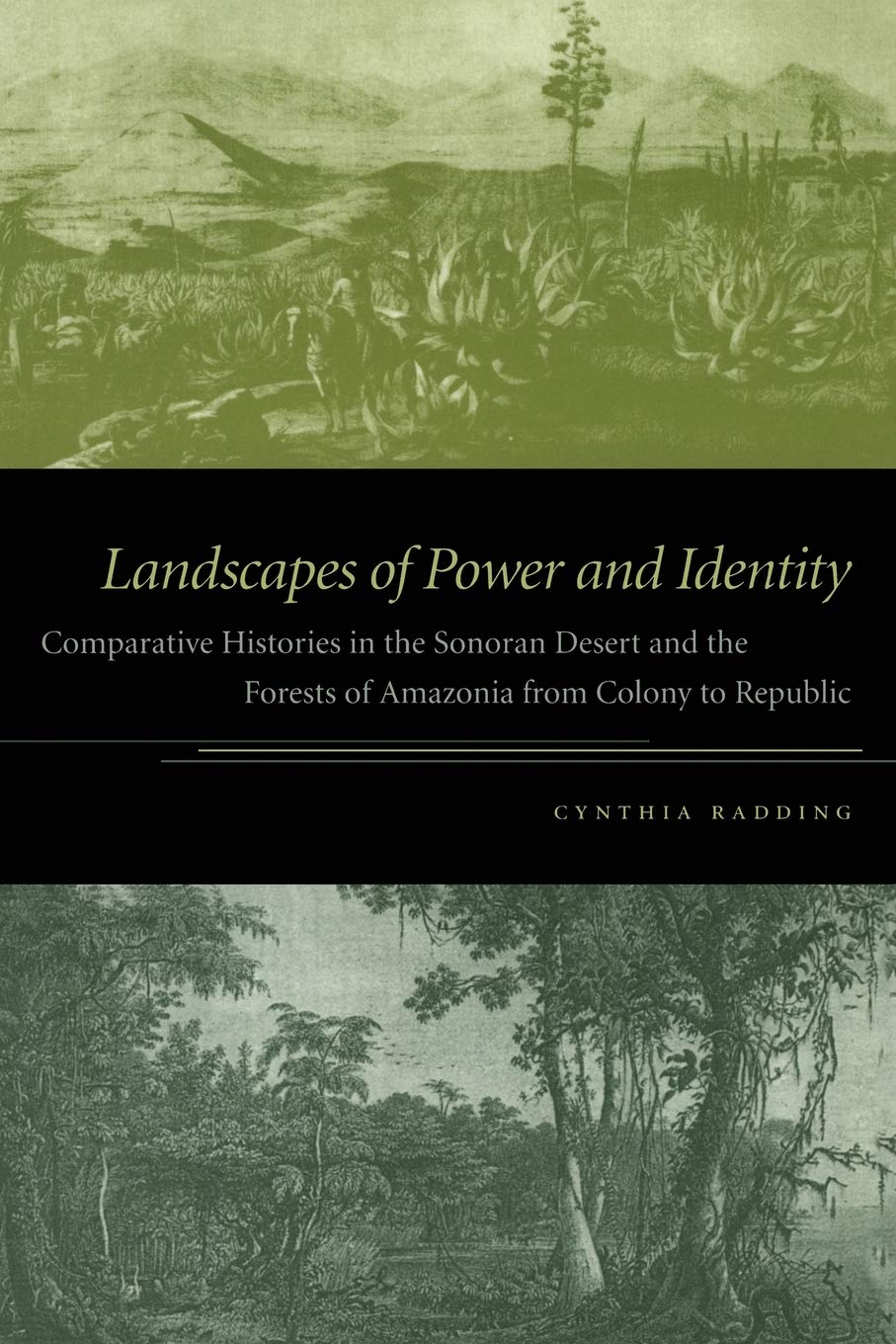
Landscapes Of Power And Identity: Comparative Histories In The Sonoran Desert And The Forests Of Amazonia From Colony To Republi,New
Sold by Ergodebooks, an authorized reseller.
Returns accepted within 30 days | support@ergodebooks.com
Shipping Information
- Free Standard Shipping — United States only
- Processing Time: 3–5 business days
- Estimated Delivery: 6–10 business days after dispatch
- Double-boxed, fully insured & discreetly packaged
- Tracking number sent via email once dispatched
Returns & Refund
Returns accepted within 30 days of delivery.
Damaged or Defective Item
Free return shipping + replacement or full refund
Wrong Item Received
Free return shipping + replacement or full refund
Change of Mind
Return shipping at customer's expense · 25% restocking fee applies
Payment Option

Landscapes of Power and Identity is a groundbreaking comparative history of two colonies on the frontiers of the Spanish empirethe Sonora region of northwestern Mexico and the Chiquitos region of eastern Bolivias lowlandsfrom the late colonial period through the middle of the nineteenth century. An innovative combination of environmental and cultural history, this book reflects Cynthia Raddings more than two decades of research on Mexico and Bolivia and her consideration of the relationships between human societies and the geographic landscapes they inhabit and create. At first glance, Sonora and Chiquitos are quite different: one a scrubcovered desert, the other a tropical rainforest of the greater Amazonian and Paraguayan river basins. Yet the regions are similar in many ways. Both were located far from the centers of colonial authority, organized into Jesuit missions and linked to the principal mining centers of New Spain and the Andes, and then absorbed into nationstates in the nineteenth century. In each area, the indigenous communities encountered European governors, missionaries, slave hunters, merchants, miners, and ranchers.Raddings comparative approach illuminates what happened when similar institutions of imperial governance, commerce, and religion were planted in different physical and cultural environments. She draws on archival documents, published reports by missionaries and travelers, and previous histories as well as ecological studies and ethnographies. She also considers cultural artifacts, including archaeological remains, architecture, liturgical music, and religious dances. Radding demonstrates how colonial encounters were conditioned by both the local landscape and cultural expectations; how the colonizers and colonized understood notions of territory and property; how religion formed the cultural practices and historical memories of the Sonoran and Chiquitano peoples; and how the conflict between the indigenous communities and the surrounding creole societies developed in new directions well into the nineteenth century.
⚠️ WARNING (California Proposition 65):
This product may contain chemicals known to the State of California to cause cancer, birth defects, or other reproductive harm.
For more information, please visit www.P65Warnings.ca.gov.