
Title
Landscapes Of Power: Politics Of Energy In The Navajo Nation (New Ecologies For The Twentyfirst Century),New
Sold by Ergodebooks, an authorized reseller.
Returns accepted within 30 days | support@ergodebooks.com
Shipping Information
- Free Standard Shipping — United States only
- Processing Time: 3–5 business days
- Estimated Delivery: 6–10 business days after dispatch
- Double-boxed, fully insured & discreetly packaged
- Tracking number sent via email once dispatched
Returns & Refund
Returns accepted within 30 days of delivery.
Damaged or Defective Item
Free return shipping + replacement or full refund
Wrong Item Received
Free return shipping + replacement or full refund
Change of Mind
Return shipping at customer's expense · 25% restocking fee applies
Payment Option

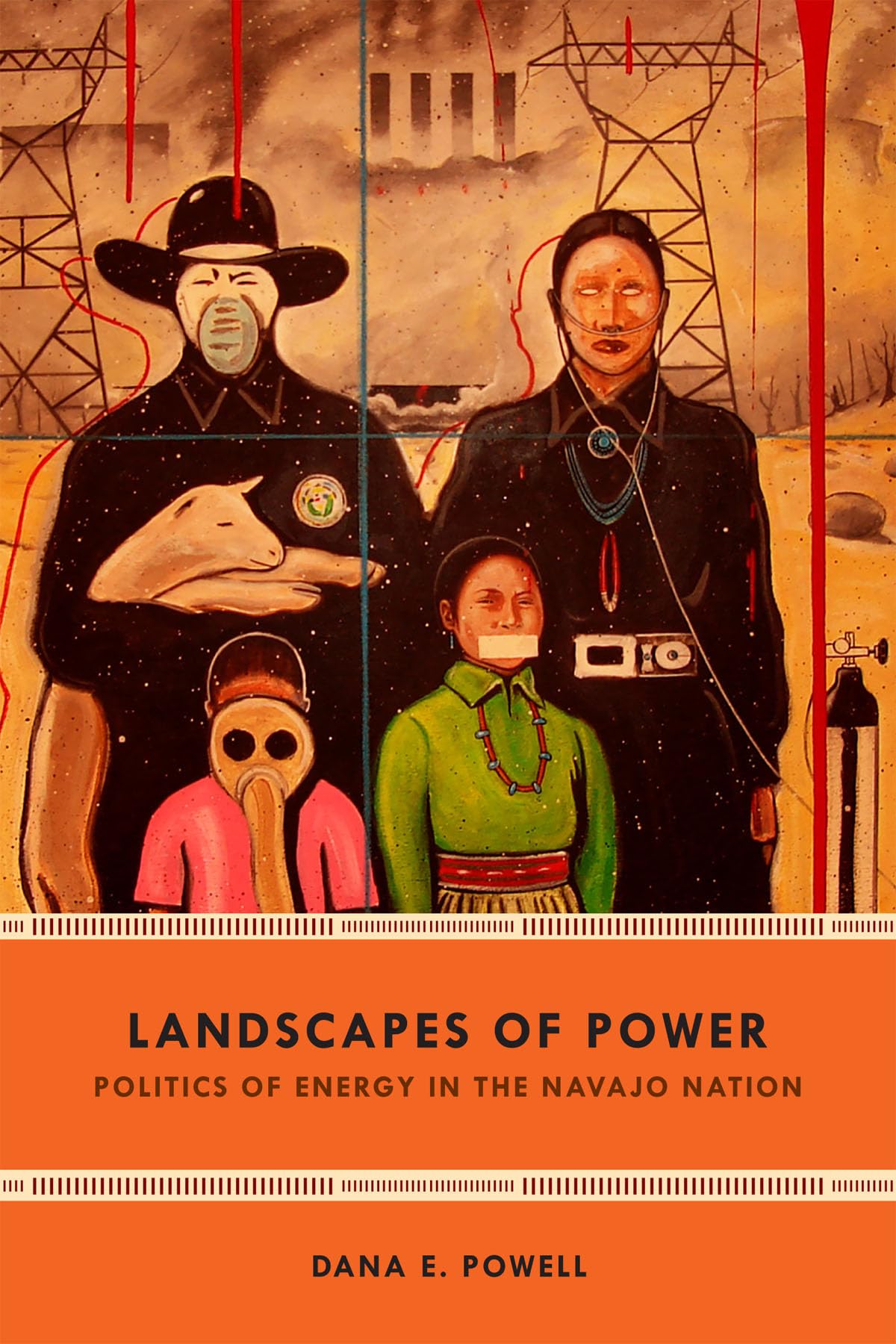
In Landscapes Of Power Dana E. Powell Examines The Rise And Fall Of The Controversial Desert Rock Power Plant Initiative In New Mexico To Trace The Political Conflicts Surrounding Native Sovereignty And Contemporary Energy Development On Navajo (Din) Nation Land. Powell'S Historical And Ethnographic Account Shows How The Coalfired Power Plant Project'S Defeat Provided The Basis For Redefining The Legacies Of Colonialism, Mineral Extraction, And Environmentalism. Examining The Labor Of Activists, Artists, Politicians, Elders, Technicians, And Others, Powell Emphasizes The Generative Potential Of Navajo Resistance To Articulate A Vision Of Autonomy In The Face Of Twentyfirstcentury Colonial Conditions. Ultimately, Powell Situates Local Navajo Struggles Over Energy Technology And Infrastructure Within Broader Sociocultural Life, Debates Over Global Climate Change, And Tribal, Federal, And Global Politics Of Extraction.
⚠️ WARNING (California Proposition 65):
This product may contain chemicals known to the State of California to cause cancer, birth defects, or other reproductive harm.
For more information, please visit www.P65Warnings.ca.gov.
- Q: What is the page count of this book? A: The book contains three hundred thirty-six pages. It provides an in-depth examination of energy politics in the Navajo Nation.
- Q: What is the binding type of this book? A: This book is a paperback edition. Paperback bindings are flexible and easy to handle.
- Q: What are the dimensions of the book? A: The book measures six inches in length, one inch in width, and nine point zero two inches in height. These dimensions make it easy to store or carry.
- Q: What themes does this book explore? A: The book explores themes of energy development, native sovereignty, and colonialism. It provides a historical context around the Desert Rock Power Plant initiative.
- Q: Who is the author of this book? A: The author of this book is Dana E. Powell. She combines historical and ethnographic perspectives in her writing.
- Q: Is this book suitable for students studying environmental economics? A: Yes, this book is suitable for students studying environmental economics. It offers critical insights into energy politics and indigenous rights.
- Q: How do I use this book for research? A: You can use this book as a resource for understanding energy issues in indigenous contexts. It provides valuable case studies and theoretical frameworks.
- Q: Is this book appropriate for general readers? A: Yes, this book is appropriate for general readers with an interest in environmental and indigenous studies. The writing is accessible and informative.
- Q: How should I store this book? A: Store this book in a cool, dry place away from direct sunlight. This will help preserve its quality over time.
- Q: Can I return this book if I don’t like it? A: Yes, you can return the book within the specified return period. Make sure to keep the receipt for a smooth return process.
- Q: What if the book arrives damaged? A: If the book arrives damaged, you should contact customer support for assistance. They can help you with a replacement or refund.
- Q: What kind of research methodologies does the author use? A: The author employs historical and ethnographic methodologies. This combination provides a rich analysis of the political landscape.
- Q: Is there a glossary or index in the book? A: Yes, the book typically includes an index. This helps readers locate specific topics and terms easily.
- Q: Does this book include any illustrations or photographs? A: No, this book does not include illustrations or photographs. It focuses on textual analysis and theoretical discussions.
- Q: What is the main argument of this book? A: The main argument of the book is that local resistance shapes energy policies and articulates visions of autonomy. This is crucial in contemporary discussions of colonialism.