
Title
Landscaping for Florida's Wildlife: Recreating Native Ecosystems in Your Yard,Used
Sold by Ergodebooks, an authorized reseller.
Returns accepted within 30 days | support@ergodebooks.com
Shipping Information
- Free Standard Shipping — United States only
- Processing Time: 3–5 business days
- Estimated Delivery: 6–10 business days after dispatch
- Double-boxed, fully insured & discreetly packaged
- Tracking number sent via email once dispatched
Returns & Refund
Returns accepted within 30 days of delivery.
Damaged or Defective Item
Free return shipping + replacement or full refund
Wrong Item Received
Free return shipping + replacement or full refund
Change of Mind
Return shipping at customer's expense · 25% restocking fee applies
Payment Option

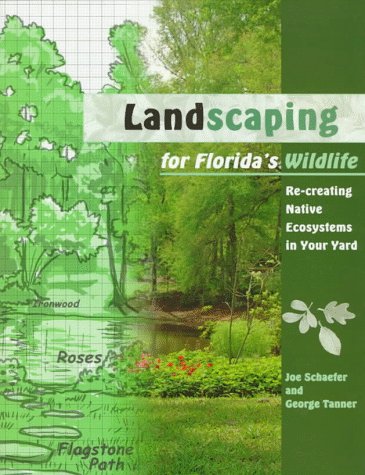
As the natural landscape becomes more humanized, the habitat for many wildlife species has been lost or degraded. In a clear, stepbystep format, this book tells how to create a wildlifefriendly landscape that takes into account both people and nature. The authors' theme'put back what you don't need'allows the gardener to reduce maintenance costs while providing a habitat that offers wildlife the essentials of food, cover, water, and space.*The book addresses such fundamental questions as which ecosystem is appropriate to a particular piece of property and how to determine which species use the property.*It discusses how to consider soils, drainage patterns, utility lines, adjacent land uses, and existing native vegetation.*It describes how to prepare a base map; add plant and nonplant elements such as birdhouses, burrows, and tree frog houses; and calculate the cost of materials.*It tells how to install, maintain, and evaluate the new yard.Throughout, helpful drawings, tables, and worksheets illustrate the procedures. Appendixes include an extensive list of native plants by ecosystem type, contacts with public agencies and private conservation organizations, lists of field guides and related books, and a table that shows which wildlife species use various ecosystems.Joe Schaefer is associate professor and George Tanner is professor of wildlife ecology and conservation at the University of Florida. Both have written popular articles and books that apply scientific knowledge to conservation actions.
⚠️ WARNING (California Proposition 65):
This product may contain chemicals known to the State of California to cause cancer, birth defects, or other reproductive harm.
For more information, please visit www.P65Warnings.ca.gov.
- Q: What is the main focus of 'Landscaping for Florida's Wildlife'? A: The book focuses on creating wildlife-friendly landscapes in Florida by re-creating native ecosystems, emphasizing the importance of balancing human needs with those of local wildlife.
- Q: Who are the authors of this book? A: The authors are Joe Schaefer, an associate professor, and George Tanner, a professor of wildlife ecology and conservation at the University of Florida.
- Q: What type of information does this book provide for gardeners? A: The book offers step-by-step instructions on how to design and maintain a wildlife-friendly landscape, including which native plants and systems are suitable for specific properties.
- Q: Is this book suitable for beginners in gardening? A: Yes, the book is written in a clear, step-by-step format, making it accessible for beginners interested in creating a wildlife-friendly garden.
- Q: What specific topics are covered in the book? A: Topics include selecting appropriate ecosystems, understanding soils and drainage, creating base maps, adding wildlife features, and evaluating the landscape's effectiveness.
- Q: How long is 'Landscaping for Florida's Wildlife'? A: The book has a total of 96 pages, providing concise and focused content.
- Q: What condition is this book in? A: The book is listed as a 'Used Book in Good Condition', meaning it may have some wear but is still fully functional.
- Q: What additional resources are included in the book? A: Appendixes provide extensive lists of native plants by ecosystem type, contacts for conservation organizations, and field guides related to wildlife.
- Q: When was this book published? A: The book was published on May 9, 1998.
- Q: What is the binding type of this book? A: The book is available in paperback binding.