
Title
Language and Cultural Change: Aspects of the Study and Use of Language in the Later Middle Ages and the Renaissance (Groningen S,New
Sold by Ergodebooks, an authorized reseller.
Returns accepted within 30 days | support@ergodebooks.com
Shipping Information
- Free Standard Shipping — United States only
- Processing Time: 3–5 business days
- Estimated Delivery: 6–10 business days after dispatch
- Double-boxed, fully insured & discreetly packaged
- Tracking number sent via email once dispatched
Returns & Refund
Returns accepted within 30 days of delivery.
Damaged or Defective Item
Free return shipping + replacement or full refund
Wrong Item Received
Free return shipping + replacement or full refund
Change of Mind
Return shipping at customer's expense · 25% restocking fee applies
Payment Option

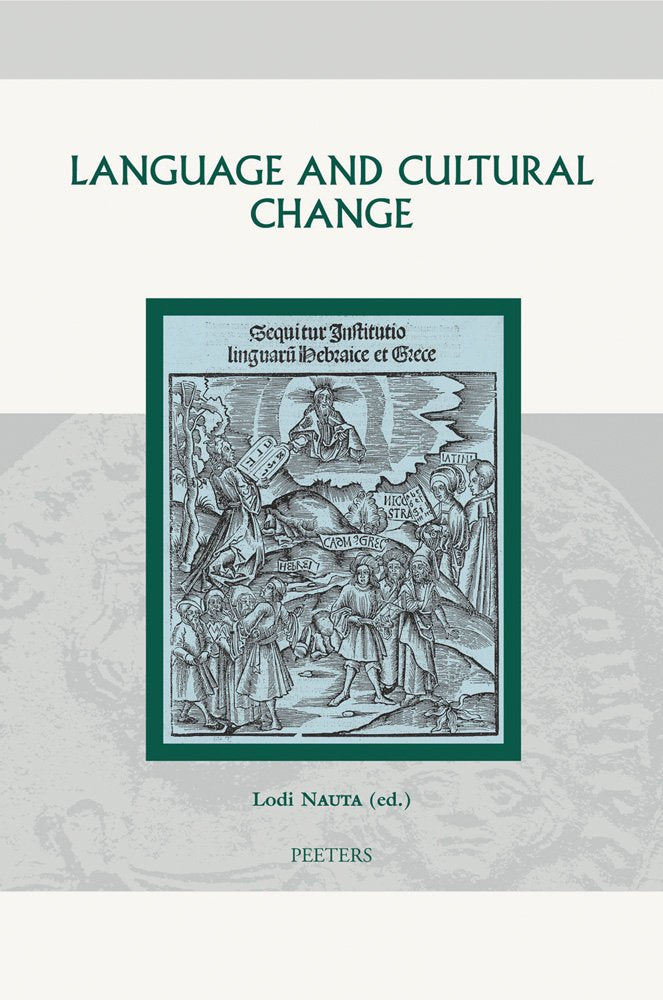
It is common wisdom that language is culturally embedded. Cultural change is often accompanied by a change in idiom, in language or in ideas about language. No period serves as a better example of the formative influence of language on culture than the Renaissance. With the advent of humanism new modes of speaking and writing arose. But not only did classical Latin become the paradigm of clear and elegant writing, it also gave rise to new ideas about language and the teaching of it. Some scholars have argued that the cultural paradigm shift from scholasticism to humanism was causally determined by the rediscovery, study and emulation of the classical language, for learning a new language opens up new possibilities for exploring and describing one's perceptions, thoughts and beliefs. However, the vernacular traditions too rose to prominence and vied with Latin for cultural prestige. This volume, number XXIV in the series Groningen Studies in Cultural Change, offers the papers presented at a workshop on language and cultural change held in Groningen in February 2004. Ten specialists explore the multifarious ways in which language contributed to the shaping of Renaissance culture. They discuss themes such as the relationship between medieval and classical Latin, between Latin and the vernacular, between humanist and scholastic conceptions of language and grammar, translation from Latin into the vernacular, Jewish ideas about different kinds of Hebrew, and shifting ideas on the power and limits of language in the articulation of truth and divine wisdom. There are essays on major thinkers such as Nicholas of Cusa and Leonardo Bruni, but also on less wellknown figures and texts. The volume as a whole hopes to contribute to a deeper understanding of the highly complex interplay between language and culture in the transition period between the fourteenth and sixteenth centuries.
⚠️ WARNING (California Proposition 65):
This product may contain chemicals known to the State of California to cause cancer, birth defects, or other reproductive harm.
For more information, please visit www.P65Warnings.ca.gov.