
Title
Latin: Story of a World Language,Used
Sold by Ergodebooks, an authorized reseller.
Returns accepted within 30 days | support@ergodebooks.com
Shipping Information
- Free Standard Shipping — United States only
- Processing Time: 3–5 business days
- Estimated Delivery: 6–10 business days after dispatch
- Double-boxed, fully insured & discreetly packaged
- Tracking number sent via email once dispatched
Returns & Refund
Returns accepted within 30 days of delivery.
Damaged or Defective Item
Free return shipping + replacement or full refund
Wrong Item Received
Free return shipping + replacement or full refund
Change of Mind
Return shipping at customer's expense · 25% restocking fee applies
Payment Option

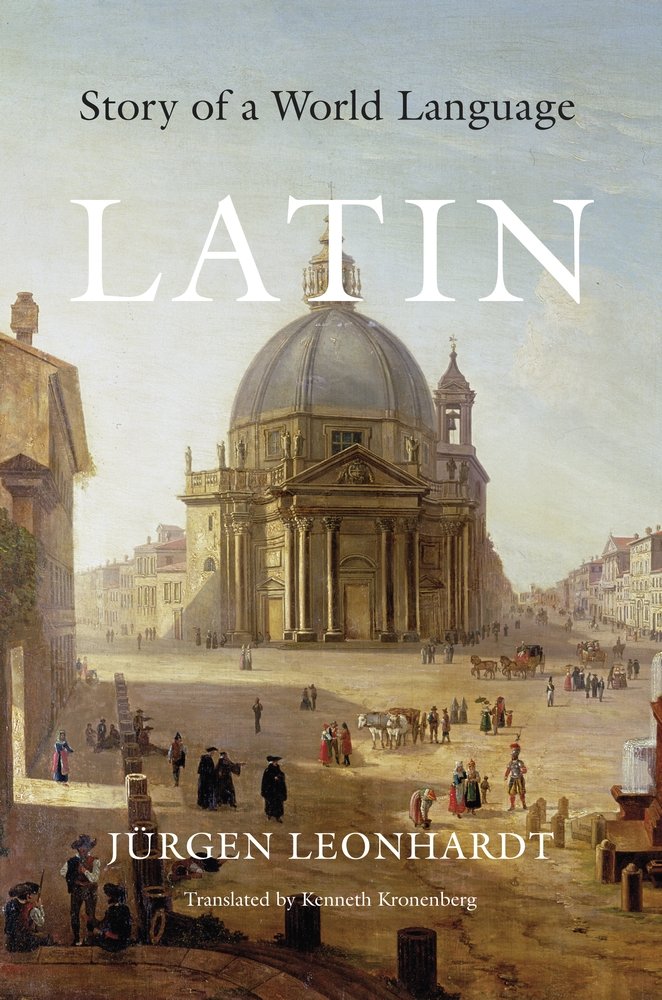
The mother tongue of the Roman Empire and the lingua franca of the West for centuries after Romes fall, Latin survives today primarily in classrooms and texts. Yet this dead language is unique in the influence it has exerted across centuries and continents. Jrgen Leonhardt has written a full history of Latin from antiquity to the present, uncovering how this once parochial dialect developed into a vehicle of global communication that remained vital long after its spoken form was supplanted by modern languages.Latin originated in the Italian region of Latium, around Rome, and became widespread as that citys imperial might grew. By the first century BCE, Latin was already transitioning from a living vernacular, as writers and grammarians like Cicero and Varro fixed Latins status as a classical language with a codified rhetoric and rules. As Romance languages spun off from their Latin origins following the empires collapseshedding cases and genders along the waythe ancient language retained its currency as a world language in ways that anticipated English and Spanish, but it ceased to evolve.Leonhardt charts the vicissitudes of Latin in the postRoman world: its ninthcentury revival under Charlemagne and its flourishing among Renaissance writers who, more than their medieval predecessors, were interested in questions of literary style and expression. Ultimately, the rise of historicism in the eighteenth century turned Latin from a practical tongue to an academic subject. Nevertheless, of all the traces left by the Romans, their language remains the most ubiquitous artifact of a once peerless empire.
⚠️ WARNING (California Proposition 65):
This product may contain chemicals known to the State of California to cause cancer, birth defects, or other reproductive harm.
For more information, please visit www.P65Warnings.ca.gov.