
Title
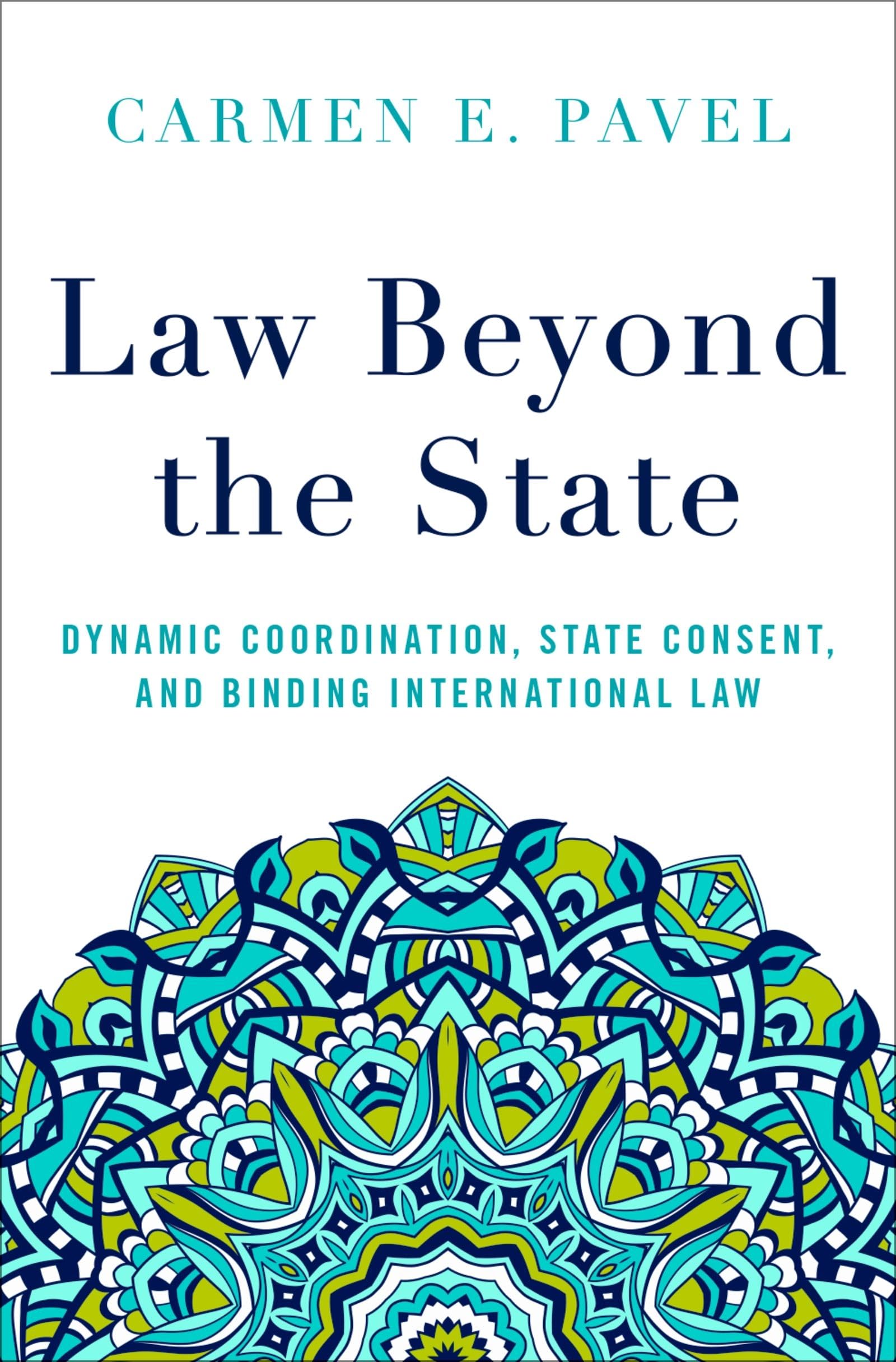
Law Beyond the State: Dynamic Coordination, State Consent, and Binding International Law,Used
Sold by Ergodebooks, an authorized reseller.
Returns accepted within 30 days | support@ergodebooks.com
Shipping Information
- Free Standard Shipping — United States only
- Processing Time: 3–5 business days
- Estimated Delivery: 6–10 business days after dispatch
- Double-boxed, fully insured & discreetly packaged
- Tracking number sent via email once dispatched
Returns & Refund
Returns accepted within 30 days of delivery.
Damaged or Defective Item
Free return shipping + replacement or full refund
Wrong Item Received
Free return shipping + replacement or full refund
Change of Mind
Return shipping at customer's expense · 25% restocking fee applies
Payment Option

Despite growing skepticism about the value of international law and its compatibility with state sovereignty, states should improve and strengthen international law because it makes a critical contribution to an international order characterized by peace and justice.In recent years, international agreements and institutions have become particularly contentious. China is refusing to abide by the decision of an international arbitration decision implementing UNCLOS rules in the South China Sea, and Donald Trump has withdrawn the US from international agreements including the Paris Agreement on Climate Change of 2015. Such retreats expose widespread ambivalence towards cooperation through international law, and reverse the gains made by longstanding processes of legalization. In Law Beyond the State, Carmen Pavel responds to the ambivalent attitude states have with respect to international law by offering moral and legal reasons for them to improve, strengthen, and further institutionalize its capacity. She argues that the same reasons which support the development of law at the domestic level, namely the cultivation of peace, the protection of individual rights, the facilitation of complex forms of cooperation, and the resolution of collective action problems, also support the development of law at the international level.The argument thus engages in institutional moral reasoning. Pavel shows why it should matter to individuals that their states are part of a rulegoverned international order. When states are bound by common rules of behavior, their citizens reap the benefits. International law encourages states to protect individual rights and provides a forum where they can communicate, negotiate, and compromise on their differences in order to protect themselves from outside interference and pursue their domestic policies more effectively, including those directed at enhancing their citizen's welfare. Thus, Pavel shows that international law makes a critical, irreplaceable, and defining contribution to an international order characterized by peace and justice. At a time when challenges of cooperation beyond state boundaries include climate change, health epidemics, and largescale human rights violations, Law Beyond the State issues a powerful reminder of the tools we have to address them.
⚠️ WARNING (California Proposition 65):
This product may contain chemicals known to the State of California to cause cancer, birth defects, or other reproductive harm.
For more information, please visit www.P65Warnings.ca.gov.