
Title
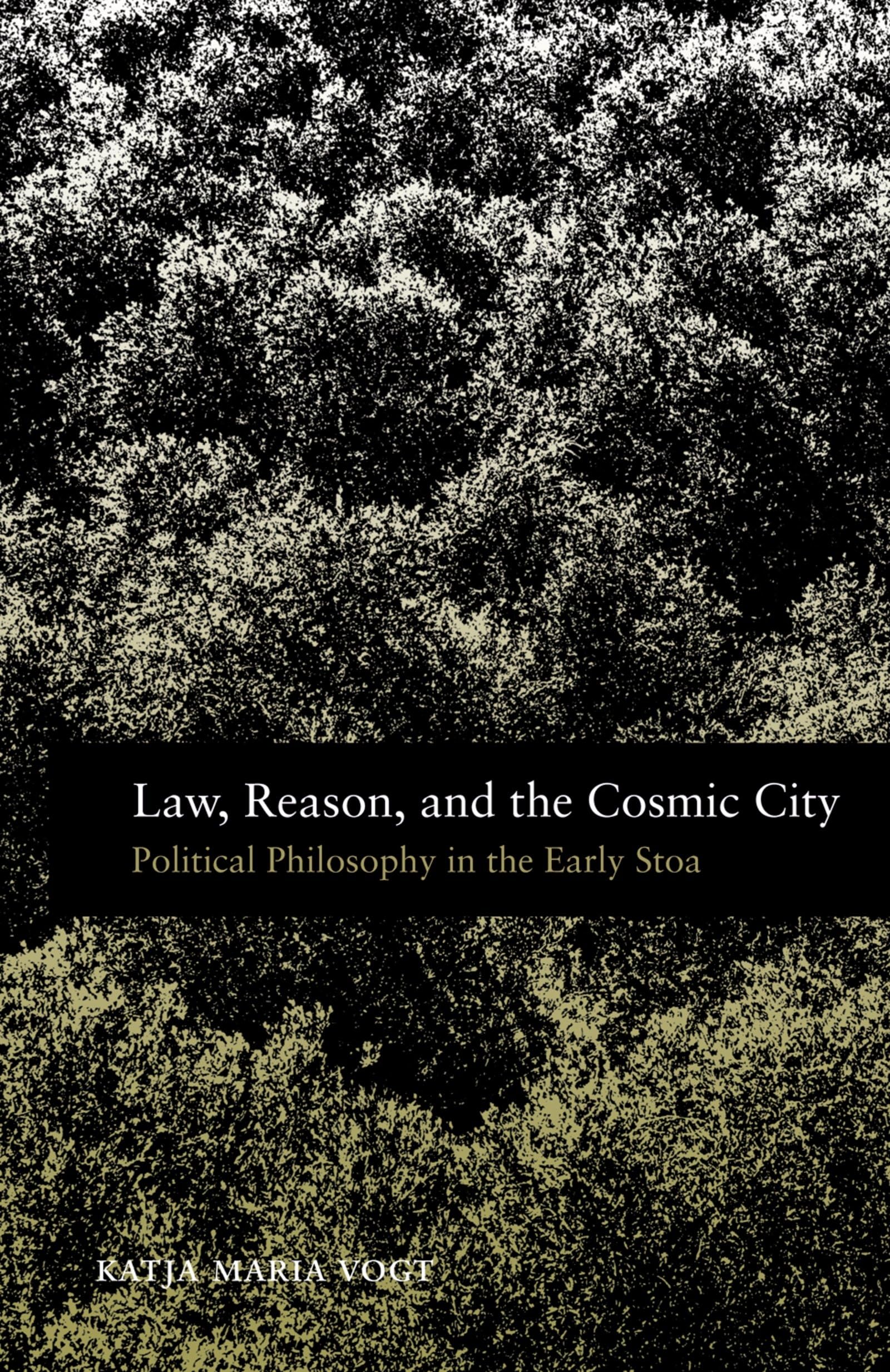
Law, Reason, and the Cosmic City: Political Philosophy in the Early Stoa,Used
Sold by Ergodebooks, an authorized reseller.
Returns accepted within 30 days | support@ergodebooks.com
Shipping Information
- Free Standard Shipping — United States only
- Processing Time: 3–5 business days
- Estimated Delivery: 6–10 business days after dispatch
- Double-boxed, fully insured & discreetly packaged
- Tracking number sent via email once dispatched
Returns & Refund
Returns accepted within 30 days of delivery.
Damaged or Defective Item
Free return shipping + replacement or full refund
Wrong Item Received
Free return shipping + replacement or full refund
Change of Mind
Return shipping at customer's expense · 25% restocking fee applies
Payment Option

The notions of the cosmic city and the common law are central to early Stoic political thought. As Vogt shows, together they make up one complex theory. A city is a place governed by the law. Yet on the law pervading the cosmos can be considered a true law, and thus the cosmos is the only real city. A city is also a dwellingplacein the case of the cosmos, the dwellingplace of all human beings. Further, a city demarcates who belongs together as fellowcitizens. The thought that we should view all other human beings as belonging to us constitutes the core of Stoic cosmopolitanism. All human beings are citizens of the cosmic city in the sense of living in the world. But the demanding task of acquiring wisdom allows a person to become a citizen in the strict sense: someone who lives according to the law, as the gods do. The sage is the only citizen, relative, friend and free person; via these notions, the Stoics explore the political dimensions of the Stoic idea of wisdom. Vogt argues against two widespread interpretations of the common lawthat it consists of rules, and that lawful action is what right reason prescribes. While she rejects the rulesinterpretation, she argues that the prescriptive reasoninterpretation correctly captures key ideas of the Stoics' theory, but misses the substantive side of their conception of the law. The sage fully understands what is valuable for human beings, and this makes her actions lawful. The Stoics emphasize the revisionary nature of their theory; whatever course of action perfect deliberation commands, even if it be cutting off one's limb and eating it, we should act on its command, and not be held back by conventional judgments.
⚠️ WARNING (California Proposition 65):
This product may contain chemicals known to the State of California to cause cancer, birth defects, or other reproductive harm.
For more information, please visit www.P65Warnings.ca.gov.