
Title
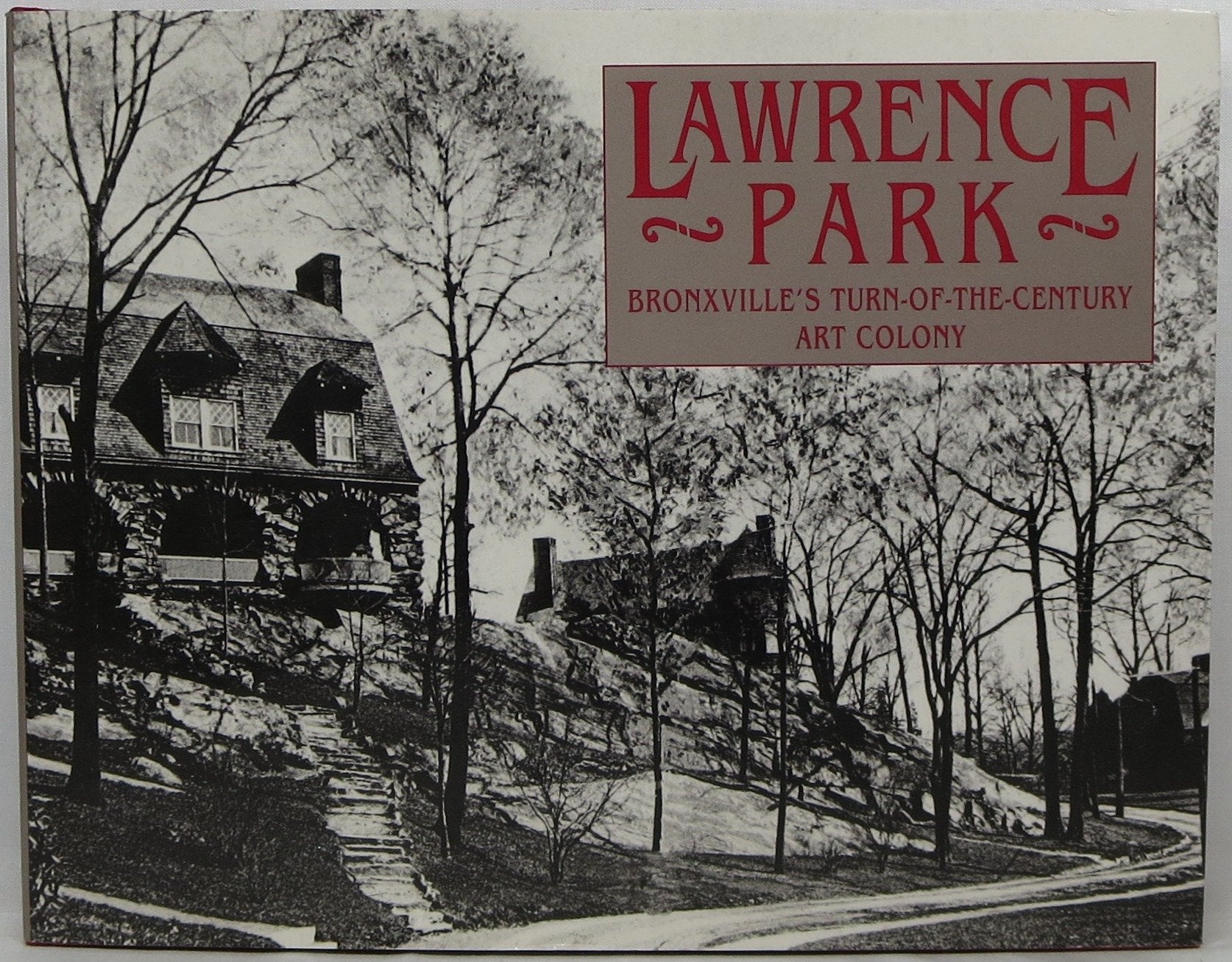
Lawrence Park: Bronxville's TurnoftheCentury Art Colony,Used
Sold by Ergodebooks, an authorized reseller.
Returns accepted within 30 days | support@ergodebooks.com
Shipping Information
- Free Standard Shipping — United States only
- Processing Time: 3–5 business days
- Estimated Delivery: 6–10 business days after dispatch
- Double-boxed, fully insured & discreetly packaged
- Tracking number sent via email once dispatched
Returns & Refund
Returns accepted within 30 days of delivery.
Damaged or Defective Item
Free return shipping + replacement or full refund
Wrong Item Received
Free return shipping + replacement or full refund
Change of Mind
Return shipping at customer's expense · 25% restocking fee applies
Payment Option

Lawrence Park is the story of Bronxville's turnofthecentury art colony: the artists and their art, the houses they lived in and how the village of Bronxville grew up around them. In the years between 1890 and 1920, Lawrence Park was the home of two dozen nationally prominent painters, writers and architects. William Smedley painted distinguished society portraits. Will Low designed murals for government buildings and private mansions. Anna Winegar's Impressionist garden scenes illustrated horticultural books by Louise Beebe Wilder. Alice Wellington Rollins was a regular contributor to the day's literary magazines. Edmund Clarence Stedman was called the Poet of Wall Street. W. W. Kent and William A. Bates designed the Park's singlefamily "cottages" in a pleasing variety of turnofthecentury styles.More than 50 years after Lawrence Park ceased to exist as an art colony, it was listed on the National Register of Historic Places, in recognition of its historic and architectural significance. Eighty of the early houses remained, updated for modern living but proudly displaying ornamented brownshingle facades, artiststudio windows and other period features. The narrow roads of the neighborhood also survived, winding up and down a hill that gave the Park its character and its common name, the Hilltop. Centuriesold oaks were still standing, markers of a time before William Lawrence arrived and of the sensitivity to nature with which he planned his development.The principal text by Loretta Hoagland covers the growth of Lawrence Park from 1890 to 1929. Separate chapters on art and architecture by scholars in the field illuminate the paintings of the art colony members and place in perspective the architecture of William Bates. Extensive captions by residenthistorians add newly discovered historical details. Brendan Gill and Nardi Reeder Campion have contributed a Foreword and Afterword, respectively, recalling their years as homeowners in the Park. And, featured on almost every page of the book, more than 226 historic and new blackandwhite photographs show Lawrence Park both as it was and as it is now.
⚠️ WARNING (California Proposition 65):
This product may contain chemicals known to the State of California to cause cancer, birth defects, or other reproductive harm.
For more information, please visit www.P65Warnings.ca.gov.