
Title
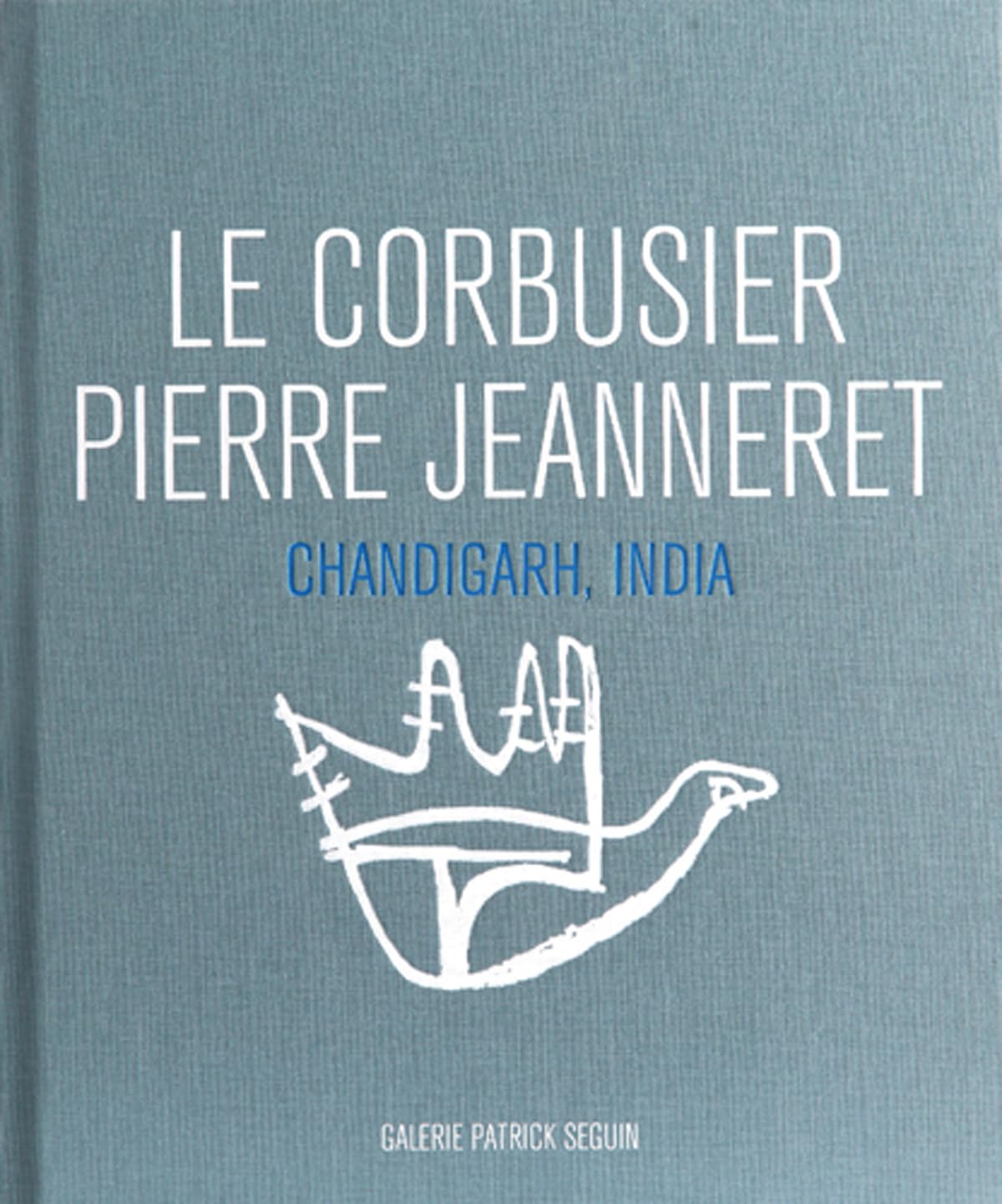
Le Corbusier & Pierre Jeanneret: Chandigarh, India
Sold by Ergodebooks, an authorized reseller.
Returns accepted within 30 days | support@ergodebooks.com
Shipping Information
- Free Standard Shipping — United States only
- Processing Time: 3–5 business days
- Estimated Delivery: 6–10 business days after dispatch
- Double-boxed, fully insured & discreetly packaged
- Tracking number sent via email once dispatched
Returns & Refund
Returns accepted within 30 days of delivery.
Damaged or Defective Item
Free return shipping + replacement or full refund
Wrong Item Received
Free return shipping + replacement or full refund
Change of Mind
Return shipping at customer's expense · 25% restocking fee applies
Payment Option

This Beautiful, Comprehensive Volume Documents Le Corbusier And Pierre Jeanneret'S Massive Chandigarh Projectthe Buildings And The Furniture (Today Considered Masterpieces Of Twentiethcentury Architecture And Design), The Plans, Sketches And Maquettes As Well As Reproducing Both Archival And Contemporary Photographs. In 1947, Shortly After India Gained Independence, The Indian Prime Minister Jawaharlal Nehru Initiated A Vast Plan Of Modernization Throughout The Country, During Which Chandigarh Became The Administrative Capital Of The Punjab Province. Nehru Commissioned Le Corbusier And Pierre Jeanneret To Construct This Capital From Scratch, With The Sole Instruction That They Should Be Expressive And Experimental And Should Not Let Themselves Be Hindered By Tradition. Illustrated With Photographs Dating From The Time Period To The Present, This Book Documents The Architectural Project And The Production Of The Furniture, Offering A Definitive Summary Of This Epic Modernist Enterprise. A Further Chapter Is Dedicated To The Work Of Lucien Herv, The Famous Architectural Photographer Who Depicted The City Extensively.The Architect, Urban Planner, Painter, Writer, Designer And Theorist Charlesedouard Jeanneret, Known As Le Corbusier, Was Born In Switzerland In 1887. In 1922 Le Corbusier And His Cousin Pierre Jeanneret Opened An Architectural Studio In Paris, Inaugurating A Partnership That Would Last Until 1940. They Began Experimenting With Furniture Design After Inviting The Architect Charlotte Perriand To Join The Studio In 1928. After World War Ii, They Sought Efficient Ways To House Large Numbers Of People In Response To The Urban Housing Crisis. In The 1950S A Unique Opportunity To Realize Their Concepts On A Grand Scale Presented Itself In The Construction Of Chandigarh. Before His Death In 1965, Le Corbusier Established The Fondation Le Corbusier In Paris To Look After And Make Available To Scholars His Library, Architectural Drawings, Sketches And Paintings.
⚠️ WARNING (California Proposition 65):
This product may contain chemicals known to the State of California to cause cancer, birth defects, or other reproductive harm.
For more information, please visit www.P65Warnings.ca.gov.
- Q: What are the dimensions of the book? A: The book measures nine point eight inches in length, one point eight one inches in width, and eleven point six one inches in height.
- Q: How many pages does the book have? A: This book contains four hundred thirty-two pages, providing extensive information on the Chandigarh project.
- Q: What type of binding does the book use? A: The book is bound in hardcover, ensuring durability and protection for the pages.
- Q: Who is the author of the book? A: The author of the book is Patrick Seguin, who explores the architectural achievements of Le Corbusier and Pierre Jeanneret.
- Q: What is the main subject of the book? A: The book focuses on the Chandigarh project, detailing the architecture and furniture designed by Le Corbusier and Pierre Jeanneret.
- Q: How can I use this book? A: You can read this book to gain insights into modernist architecture and the historical context of Chandigarh's development.
- Q: Is this book suitable for architecture students? A: Yes, this book is ideal for architecture students as it provides valuable information about influential architects and modernist principles.
- Q: Can this book be used as a reference for design projects? A: Yes, it serves as a comprehensive reference for design projects related to modern architecture and urban planning.
- Q: Is this book appropriate for children? A: No, this book is primarily intended for adults and those interested in architecture, as it contains advanced concepts and historical details.
- Q: How should I store this book? A: Store the book upright on a shelf in a cool, dry place to prevent damage to the cover and pages.
- Q: What is the best way to clean the book? A: To clean the book, gently wipe the cover with a soft, dry cloth to remove dust and avoid moisture.
- Q: What if the book arrives damaged? A: If the book arrives damaged, you should contact customer support immediately for assistance with a return or exchange.
- Q: Does the book include photographs? A: Yes, the book includes both archival and contemporary photographs that illustrate the buildings and furniture of Chandigarh.
- Q: Are there any notable contributors to the book? A: Yes, the book also features the work of Lucien Hervé, a renowned architectural photographer known for his portrayal of Chandigarh.
- Q: Is this book part of a series? A: No, this book is a standalone volume focusing on Le Corbusier and Pierre Jeanneret's work in Chandigarh.
- Q: Can I find this book in libraries? A: Yes, this book may be available in libraries, especially those with collections on architecture and design.