If you have any questions, you are always welcome to contact us. We'll get back to you as soon as possible, withing 24 hours on weekdays.
Customer service
All questions about your order, return and delivery must be sent to our customer service team by e-mail at yourstore@yourdomain.com
Sale & Press
If you are interested in selling our products, need more information about our brand or wish to make a collaboration, please contact us at press@yourdomain.com
Help
If you have any questions, you are always welcome to contact us. We'll get back to you as soon as possible, withing 24 hours on weekdays.
Customer service
All questions about your order, return and delivery must be sent to our customer service team by e-mail at yourstore@yourdomain.com
Sale & Press
If you are interested in selling our products, need more information about our brand or wish to make a collaboration, please contact us at press@yourdomain.com
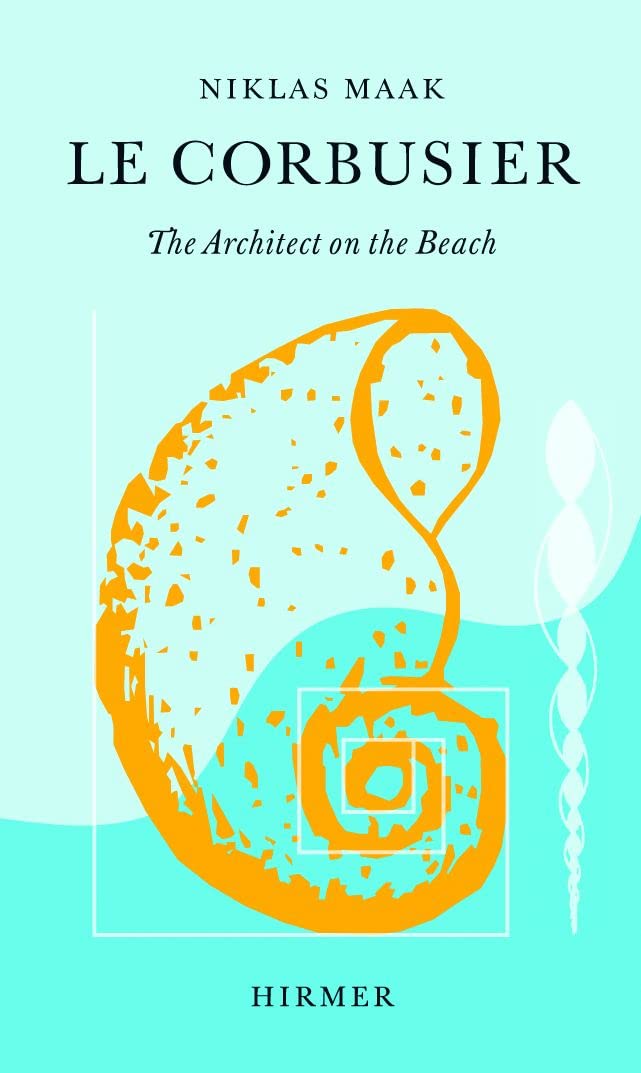
The mastermind behind what he termed beautiful and functional machines for living, Le Corbusier has long been recognized as one of the foremost figures in the international style of architecture. Yet, beginning in the 1940s, the famed architect and urbanist increasingly took modernism in a new direction that has until now been insufficiently consideredand little understood.Dispensing with his trademark suit and bowtie, Le Corbusier was spending increasing amounts of time at the shore in the 1940s, collecting stones, shells, and other jetsam, and enjoying the works of the philosopher and ardent shell collector Paul Valry. And it was here that the seemingly hyperrational architect developed a revolutionary new theory of design, built around these polished and splintered shapes. Stating that nature was the source of his inspiration, Le Corbusier embarked on a meandering odyssey through the literature and esoteric writings of his day, going on to produce such unorthodox projects as Chandigarhs Palace of Assembly and the strange and beautiful Ronchamp Chapel in Paris, whose roof is said to have been modeled after an inverted crabs shell.The development of Le Corbusiers new approach not only changed modernism but also inspiredand continues to inspirenew shapes and lines in the work of a host of architects. In this superbly written and accessible piece of architectural history, Maak develops the intricate story of a breakthrough in architecture that began on a beach.
⚠️ WARNING (California Proposition 65):
This product may contain chemicals known to the State of California to cause cancer,
birth defects, or other reproductive harm.
For MAP (Minimum Advertised Price) violations and Intellectual Property (IP) or Trademark concerns, please contact:
support@ergodebooks.com
⚠️ California Proposition 65 Warning: Some products sold on this website may expose you to chemicals known to the State of California to cause cancer, birth defects, or other reproductive harm. For more information, visit www.P65Warnings.ca.gov.