If you have any questions, you are always welcome to contact us. We'll get back to you as soon as possible, withing 24 hours on weekdays.
Customer service
All questions about your order, return and delivery must be sent to our customer service team by e-mail at yourstore@yourdomain.com
Sale & Press
If you are interested in selling our products, need more information about our brand or wish to make a collaboration, please contact us at press@yourdomain.com
Help
If you have any questions, you are always welcome to contact us. We'll get back to you as soon as possible, withing 24 hours on weekdays.
Customer service
All questions about your order, return and delivery must be sent to our customer service team by e-mail at yourstore@yourdomain.com
Sale & Press
If you are interested in selling our products, need more information about our brand or wish to make a collaboration, please contact us at press@yourdomain.com
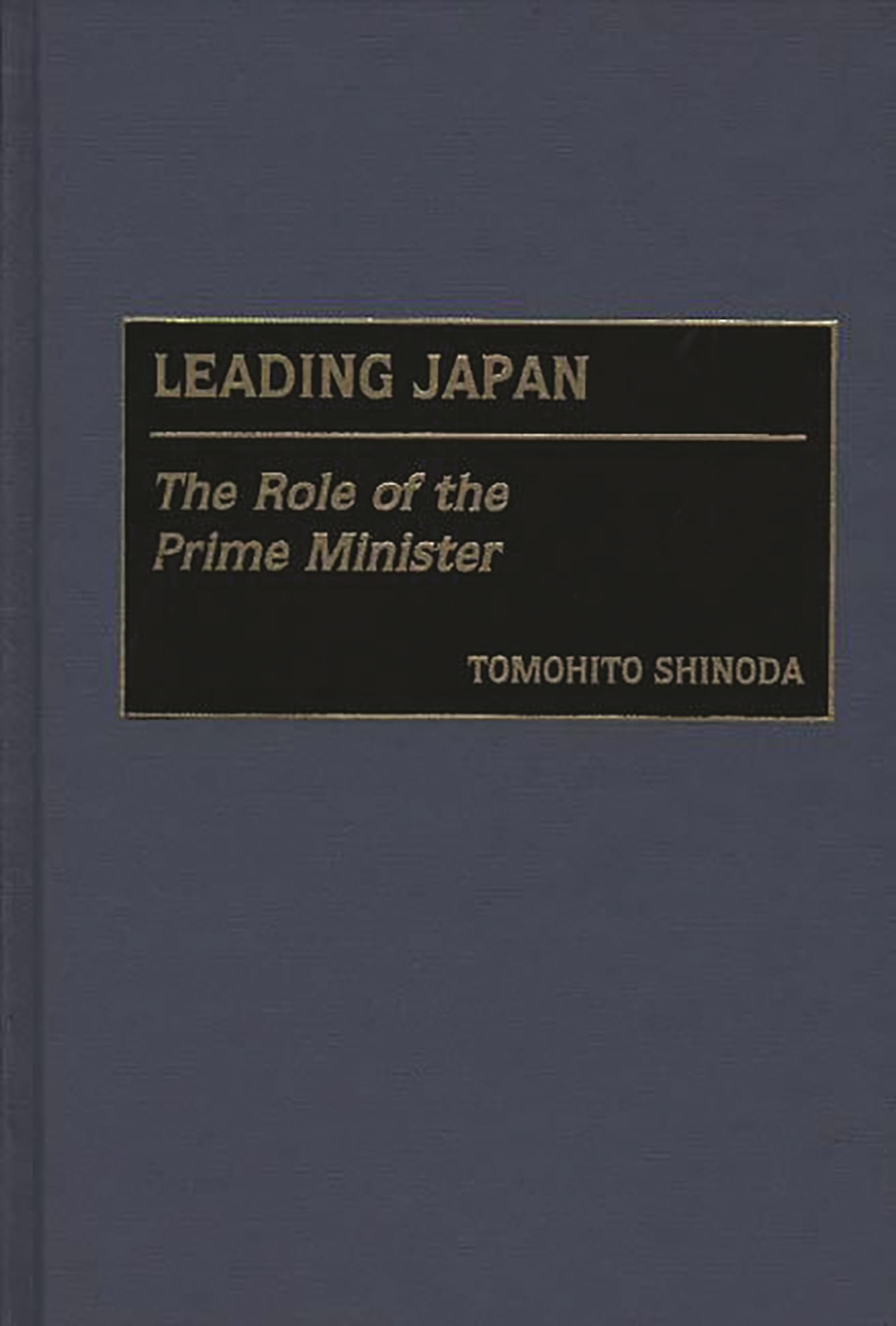
Shinoda provides an analytical framework for examining the role of the prime minister in Japan's political decision making. He shows that two dimensions of fraction within the government and the ruling partyinteragency rivalry and intraparty factionsconfront the prime minister whenever a major policy issue needs to be resolved. Despite these obstacles, Shinoda shows that the prime minister can be effective.First, Shinoda identifies the sources of power available to Japanese prime ministerssome from legal authorities and others from informal sources. Because prime ministers must rely on informal sources of power to effectively utilize institutional sources of power, their effectiveness varies depending on their background, experience, political skills, and personality. Shinoda identifies six major informal sources of power: power base within the ruling party, control over the bureaucracy, ties with the opposition parties, public support, business support, and international reputation. The national leader's leadership style can be defined depending on which sources of power they utilize in the policy process. He presents both successful and unsuccessful case studiesHashimoto's administrative reform, Takeshita's tax reform, and Nakasone's administrative reform illustrate how different prime ministers have succeeded or failed in applying their political resources. After examining these three case studies, Shinoda uncovers four types of leadership among Japanese prime ministers. A major analytical resource for scholars and students of Japanese politics and political economy and comparative politics.
⚠️ WARNING (California Proposition 65):
This product may contain chemicals known to the State of California to cause cancer,
birth defects, or other reproductive harm.
For MAP (Minimum Advertised Price) violations and Intellectual Property (IP) or Trademark concerns, please contact:
support@ergodebooks.com
⚠️ California Proposition 65 Warning: Some products sold on this website may expose you to chemicals known to the State of California to cause cancer, birth defects, or other reproductive harm. For more information, visit www.P65Warnings.ca.gov.