
Title
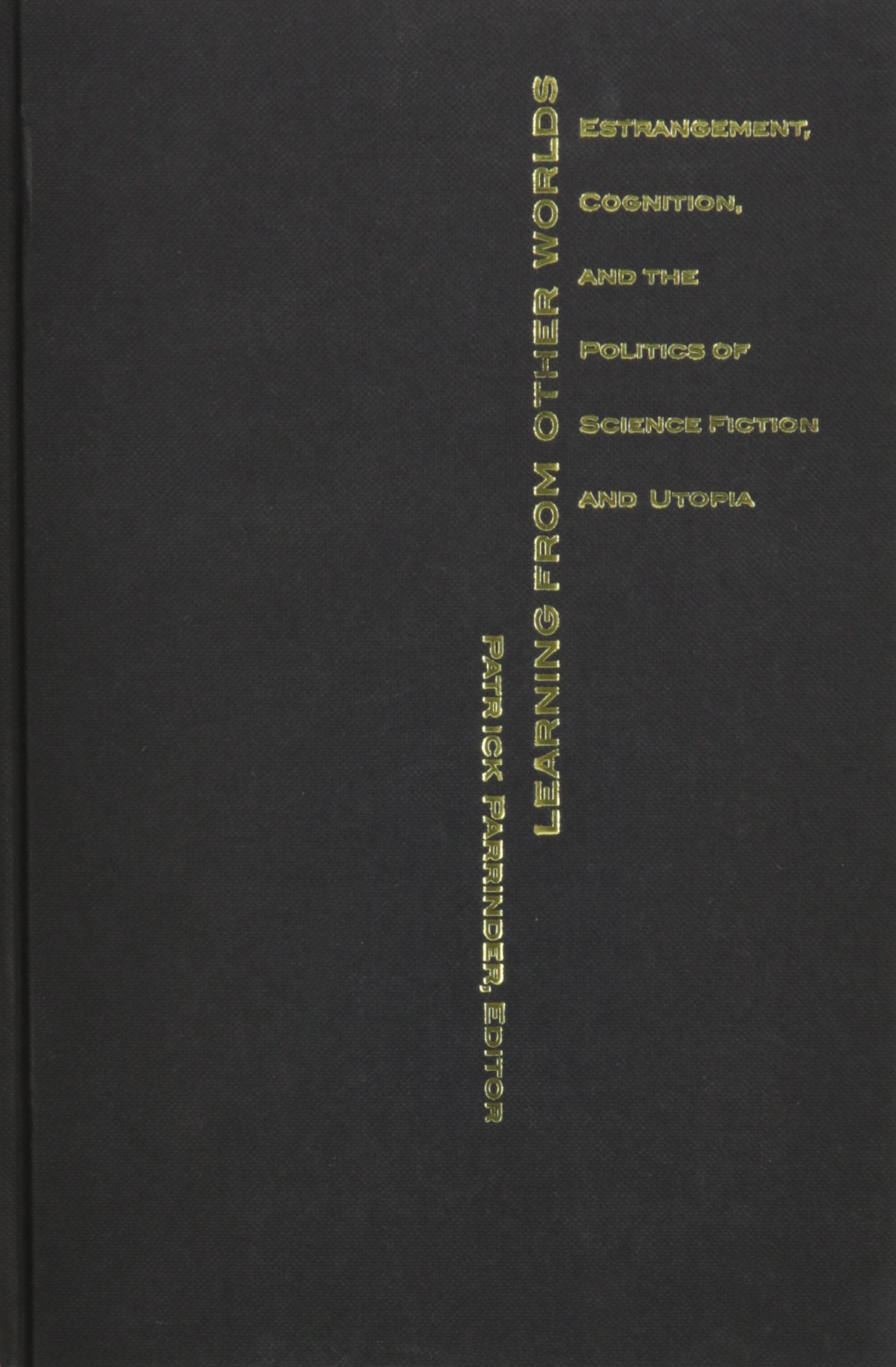
Learning From Other Worlds: Estrangement, Cognition, And The Politics Of Science Fiction And Utopia (Postcontemporary Intervent,Used
Sold by Ergodebooks, an authorized reseller.
Returns accepted within 30 days | support@ergodebooks.com
Shipping Information
- Free Standard Shipping — United States only
- Processing Time: 3–5 business days
- Estimated Delivery: 6–10 business days after dispatch
- Double-boxed, fully insured & discreetly packaged
- Tracking number sent via email once dispatched
Returns & Refund
Returns accepted within 30 days of delivery.
Damaged or Defective Item
Free return shipping + replacement or full refund
Wrong Item Received
Free return shipping + replacement or full refund
Change of Mind
Return shipping at customer's expense · 25% restocking fee applies
Payment Option

Learning from Other Worlds provides both a portrait of the development of science fiction criticism as an intellectual field and a definitive look at the state of science fiction studies today. Its title refers to the essence of cognitive estrangement in relation to science fiction and utopian fictionthe assertion that by imagining strange worlds we learn to see our own world in a new perspective. Acknowledging an indebtedness to the groundbreaking work of Darko Suvin and his belief that the double movement of estrangement and cognition reflects deep structures of human storytelling, the contributors assert that learningfromotherness is as natural and inevitable a process as the instinct for imitation and representation that Aristotle described in his Poetics.In exploring the relationship between imaginative invention and that of allegory or fable, the essays in Learning from Other Worlds comment on the fields most abiding concerns and employ a variety of critical approachesfrom intellectual history and genre studies to biographical criticism, feminist cultural studies, and political textual analysis. Among the topics discussed are the works of John Wyndham, Kim Stanley Robinson, Stanislau Lem, H.G. Wells, and Ursula Le Guin, as well as the medias reactions to the 1997 cloning of Dolly the Sheep. Darko Suvins characteristically outspoken and penetrating afterword responds to the essays in the volume and offers intimations of a further stage in his long and distinguished career.This useful compendium and companion offers a coherent view of science fiction studies as it has evolved while paying tribute to the debt it owes Suvin, one of its first champions. As such, it will appeal to critics and students of science fiction, utopia, and fantasy writing.Contributors. Marc Angenot, Marleen S. Barr, Peter Fitting, Carl Freedman, Edward James, Fredric Jameson, David Ketterer, Gerard Klein, Tom Moylan, Rafail Nudelman, Darko Suvin
⚠️ WARNING (California Proposition 65):
This product may contain chemicals known to the State of California to cause cancer, birth defects, or other reproductive harm.
For more information, please visit www.P65Warnings.ca.gov.