
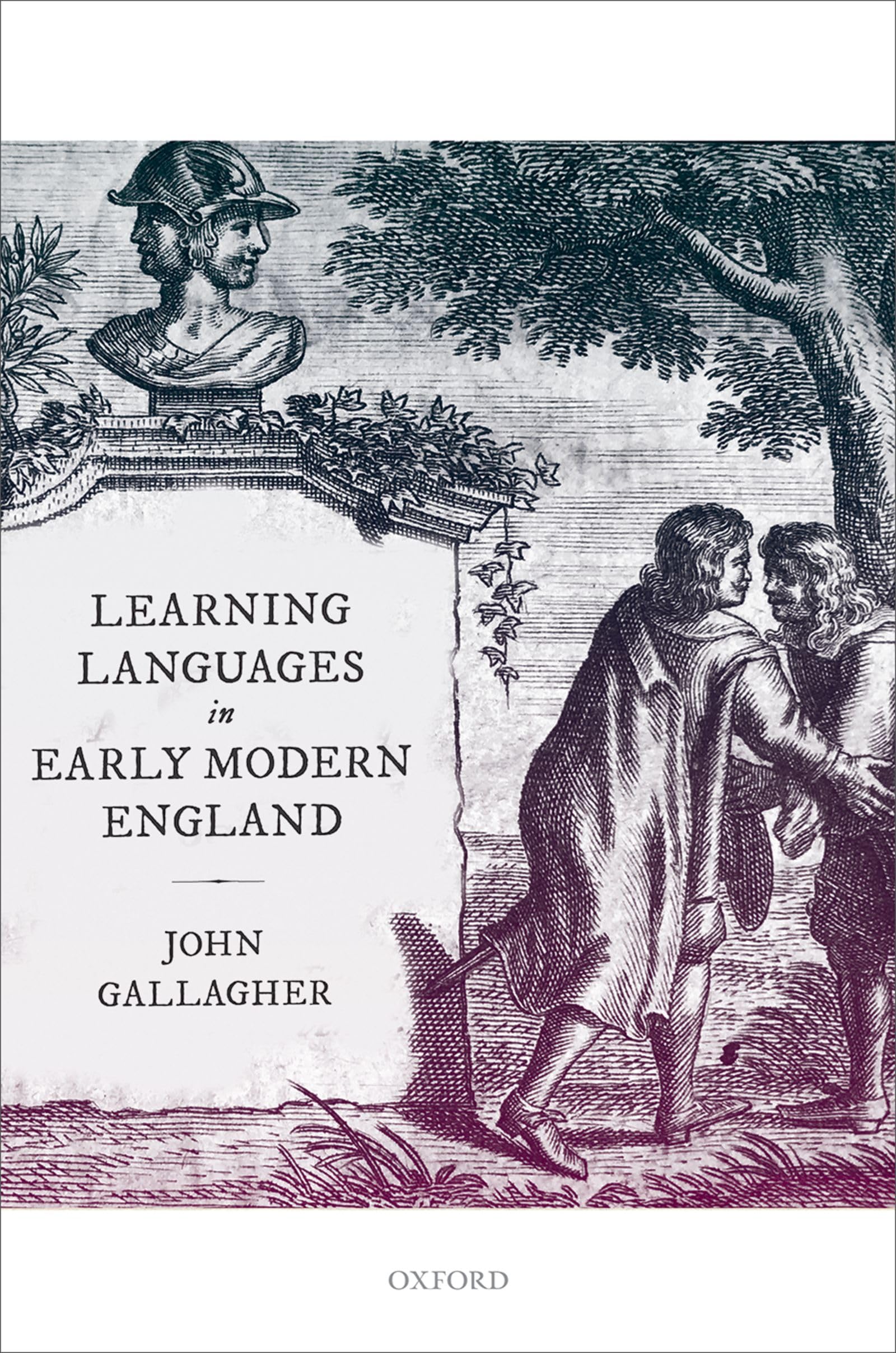
Title
Learning Languages in Early Modern England,Used
Sold by Ergodebooks, an authorized reseller.
Returns accepted within 30 days | support@ergodebooks.com
Shipping Information
- Free Standard Shipping — United States only
- Processing Time: 3–5 business days
- Estimated Delivery: 6–10 business days after dispatch
- Double-boxed, fully insured & discreetly packaged
- Tracking number sent via email once dispatched
Returns & Refund
Returns accepted within 30 days of delivery.
Damaged or Defective Item
Free return shipping + replacement or full refund
Wrong Item Received
Free return shipping + replacement or full refund
Change of Mind
Return shipping at customer's expense · 25% restocking fee applies
Payment Option

In 1578, the AngloItalian author, translator, and teacher John Florio wrote that English was 'a language that wyl do you good in England, but passe Dover, it is woorth nothing'.Learning Languages in Early Modern England is the first major study of how Englishspeakers learnt a variety of continental vernacular languages in the period between 1480 and 1720. English was practically unknown outside of England, which meant that the English who wanted to travel and trade with the wider world in this period had to become languagelearners. Using a wide range of printed and manuscript sources, from multilingual conversation manuals to travellers' diaries and letters where languages mix and mingle, Learning Languages explores how early modern Englishspeakers learned and used foreign languages, and asks what it meant to be competent in another language in the past. Beginning with language lessons in early modern England, it offers a new perspective on England's 'educational revolution'. John Gallagher looks for the first time at the whole corpus of conversation manuals written for English languagelearners, and uses these texts to pose groundbreaking arguments about reading, orality, and language in the period. He also reconstructs the practices of languagelearning and multilingual communication which underlay early modern travel.Learning Languages offers a new and innovative study of a set of practices and experiences which were crucial to England's encounter with the wider world, and to the fashioning of English linguistic and cultural identities at home. Interdisciplinary in its approaches and broad in its chronological and thematic scope, this volume places languagelearning and multilingualism at the heart of early modern British and European history.
⚠️ WARNING (California Proposition 65):
This product may contain chemicals known to the State of California to cause cancer, birth defects, or other reproductive harm.
For more information, please visit www.P65Warnings.ca.gov.