
Title
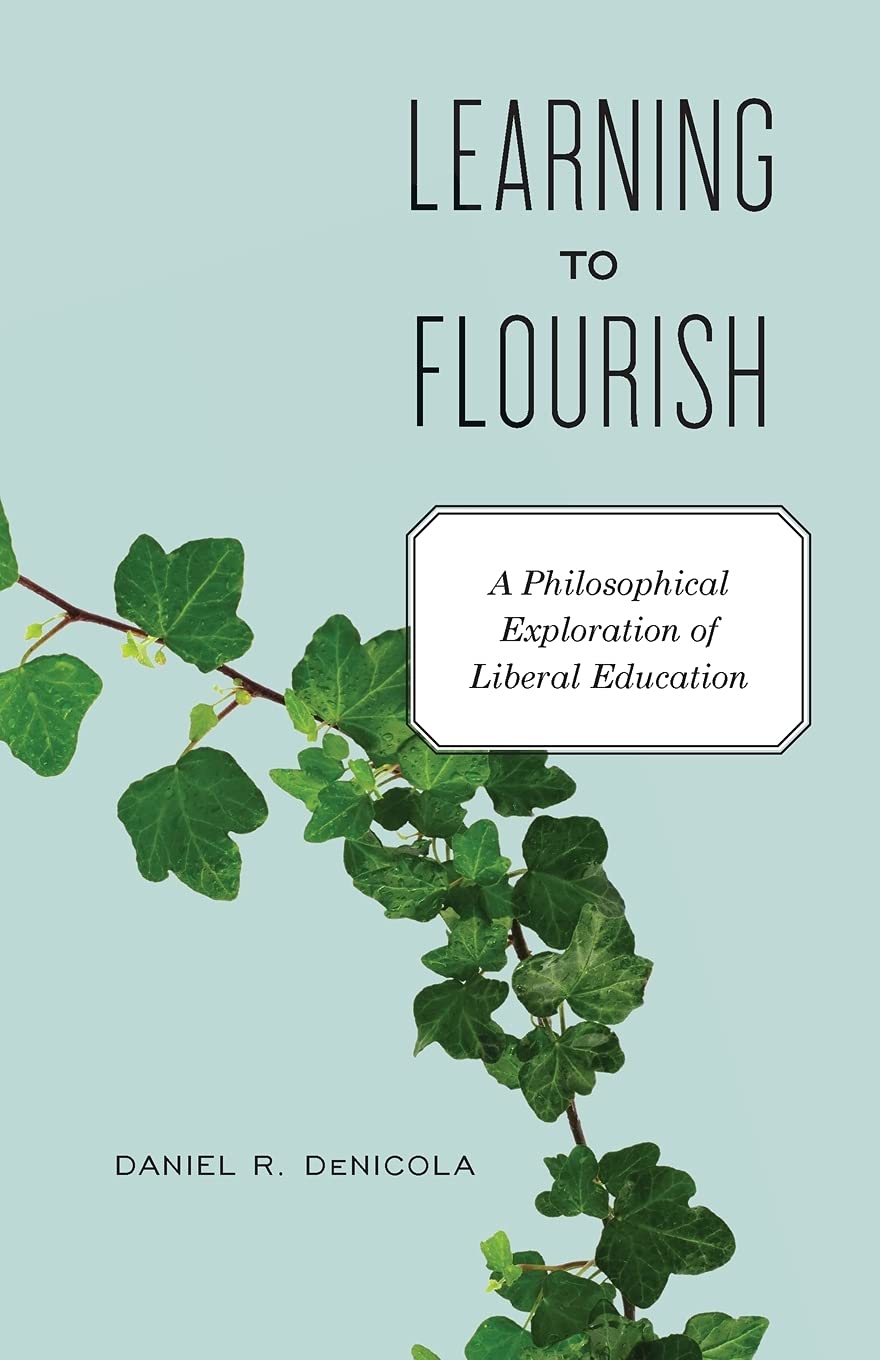
Learning to Flourish: A Philosophical Exploration of Liberal Education,Used
Sold by Ergodebooks, an authorized reseller.
Returns accepted within 30 days | support@ergodebooks.com
Shipping Information
- Free Standard Shipping — United States only
- Processing Time: 3–5 business days
- Estimated Delivery: 6–10 business days after dispatch
- Double-boxed, fully insured & discreetly packaged
- Tracking number sent via email once dispatched
Returns & Refund
Returns accepted within 30 days of delivery.
Damaged or Defective Item
Free return shipping + replacement or full refund
Wrong Item Received
Free return shipping + replacement or full refund
Change of Mind
Return shipping at customer's expense · 25% restocking fee applies
Payment Option

What is a liberal arts education? How does it differ from other forms of learning? What are we to make of the debates that surround it? What are its place, its value, and its prospects in the contemporary world? These are questions that trouble students and their parents, educators, critics, and policymakers, and philosophers of educationamong others.Learning to Flourish offers a lucid, penetrating, philosophical exploration of liberal learning: a stillevolving tradition of theory and practice that has dominated and sustained intellectual life and learning in much of the globe for two millennia. This study will be of interest to anyone seeking to understand liberal arts education, as well as to educators and philosophers of education.Daniel R. DeNicola weighs the views of both advocates and critics of the liberal arts, and interprets liberal education as a vital tradition aimed supremely at understanding and living a flourishing life. He elaborates the tradition as expressed in five competing but complementary paradigms that transcend theories of curriculum and pedagogy and are manifested in particular social contexts. He examines the transformative power of liberal education and its relation to such values as freedom, autonomy, and democracy, reflecting on the importance of intrinsic value and moral understanding. Finally, DeNicola considers ageold obstacles and current threats to liberal education, ultimately asserting its value for and urgent need in a global, pluralistic, technologically advanced society. The result is a bold, yet nuanced theory, alert to both historical and contemporary discussions, and a significant contribution to the discourse on liberal education.
⚠️ WARNING (California Proposition 65):
This product may contain chemicals known to the State of California to cause cancer, birth defects, or other reproductive harm.
For more information, please visit www.P65Warnings.ca.gov.