
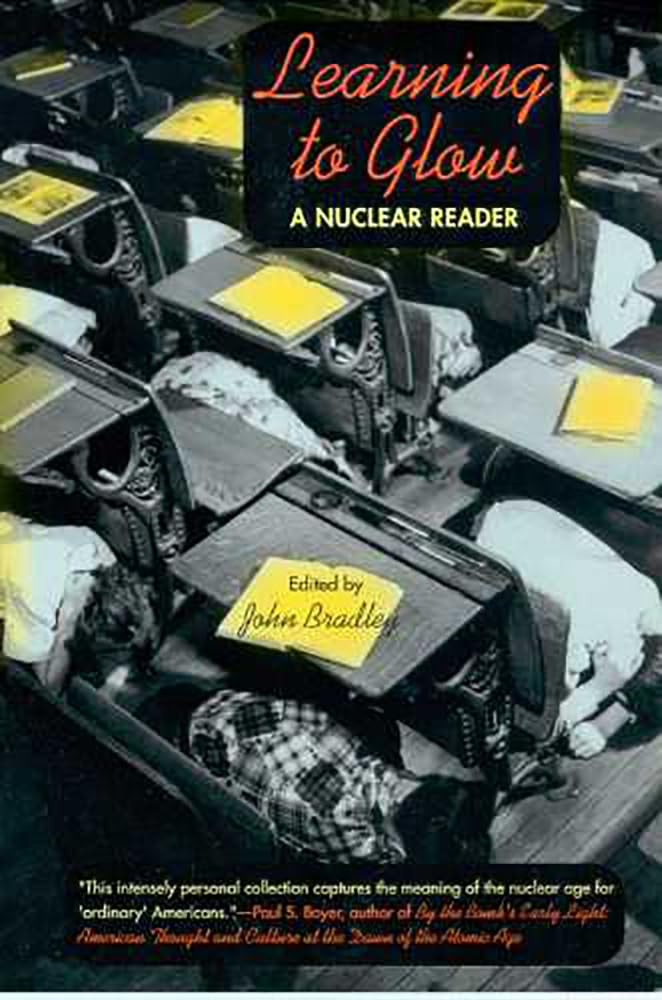
Title
Learning to Glow: A Nuclear Reader,Used
Sold by Ergodebooks, an authorized reseller.
Returns accepted within 30 days | support@ergodebooks.com
Shipping Information
- Free Standard Shipping — United States only
- Processing Time: 3–5 business days
- Estimated Delivery: 6–10 business days after dispatch
- Double-boxed, fully insured & discreetly packaged
- Tracking number sent via email once dispatched
Returns & Refund
Returns accepted within 30 days of delivery.
Damaged or Defective Item
Free return shipping + replacement or full refund
Wrong Item Received
Free return shipping + replacement or full refund
Change of Mind
Return shipping at customer's expense · 25% restocking fee applies
Payment Option

Atomic energy is not only invisible, it has been cloaked in secrecy by government, industry, and the military. Yet for many Americans the effects of radiation have been less than secret. Just ask the radium workers in Ottawa, Illinois, the 'downwinders' of Utah, or unsuspecting veterans of the Gulf War. When told from the perspective of ordinary people, nuclear history takes on a much different tone from that of the tranquil voices of authority who always told us we had nothing to fear.In Learning to Glow, twentyfour essays testify to many of the unsuspected human and environmental costs of atomic science. They show that Americans have paid a terrible price for supposedly 'winning' the Cold Warfor although the nuclear nightmare may be over, we are still living with nuclear threats every day. Writers such as Scott Russell Sanders, Terry Tempest Williams, and Barbara Kingsolver reveal the psychic and emotional fallout of the Cold War and of subsequent developments in nuclear science. The essays include personal testimonies of what it was like to grow up with family members in nuclearrelated jobs; hardhitting journalism on the health and environmental costs of our nuclear policies and practices; and poignant stories of coming to terms with nuclear power, including contributions by writers who revisit Hiroshima in an attempt to heal the wounds left by the Bomb.These essays offer an alternative to the official version of nuclear history as told to us by school textbooks, government authorities, and nuclear industry officials. They are stories of and by ordinary people who have suffered the consequences of the decisions made by those in powerstories that have been largely ignored, dismissed, or suppressed. They will challenge readers to reexamine their preconceptions about the way we deal with issues of nuclear arms and radioactive waste because they show that nuclear history does not belong to experts but to us all.Contributors:Marilou AwiaktaJohn BradleyJim CarrierAlison Hawthorne DemingMary DicksonEdward DoughertyRay GonzalezKarl GrossmanSonya HuberBarbara KingsolverValerie KuletzMary LauferKay MackCraig McGrathBill MeslerRichard H. MinearRandy MorrisMayumi OdaCatherine QuiggRichard RawlesKenneth RobbinsScott Russell SandersDavid SeaborgTerry Tempest WilliamsBill WitherupPhil Woods
⚠️ WARNING (California Proposition 65):
This product may contain chemicals known to the State of California to cause cancer, birth defects, or other reproductive harm.
For more information, please visit www.P65Warnings.ca.gov.
- Q: What is 'Learning to Glow: A Nuclear Reader' about? A: This book provides personal accounts from individuals raised during the Cold War and those who came into contact with nuclear weapons during various conflicts, including World War II and the Persian Gulf War, highlighting the associated health and environmental hazards.
- Q: Who is the author of this book? A: The author of 'Learning to Glow: A Nuclear Reader' is John Bradley.
- Q: What is the condition of the book? A: The book is listed as a used book in good condition.
- Q: What are the features of this book? A: The book features personal narratives that detail the experiences and insights of individuals regarding nuclear weapons and their impacts.
- Q: What is the binding type of this book? A: This edition of the book is available in paperback binding.
- Q: When was 'Learning to Glow: A Nuclear Reader' published? A: The book was published on March 1, 2000.
- Q: How many pages does the book have? A: The book contains a total of 339 pages.
- Q: What edition of the book is available? A: The book is in its 2nd edition.
- Q: What category does this book fall under? A: This book is categorized under Anthologies.
- Q: Is there any specific material used for the book? A: There is no specific material mentioned for the book.