
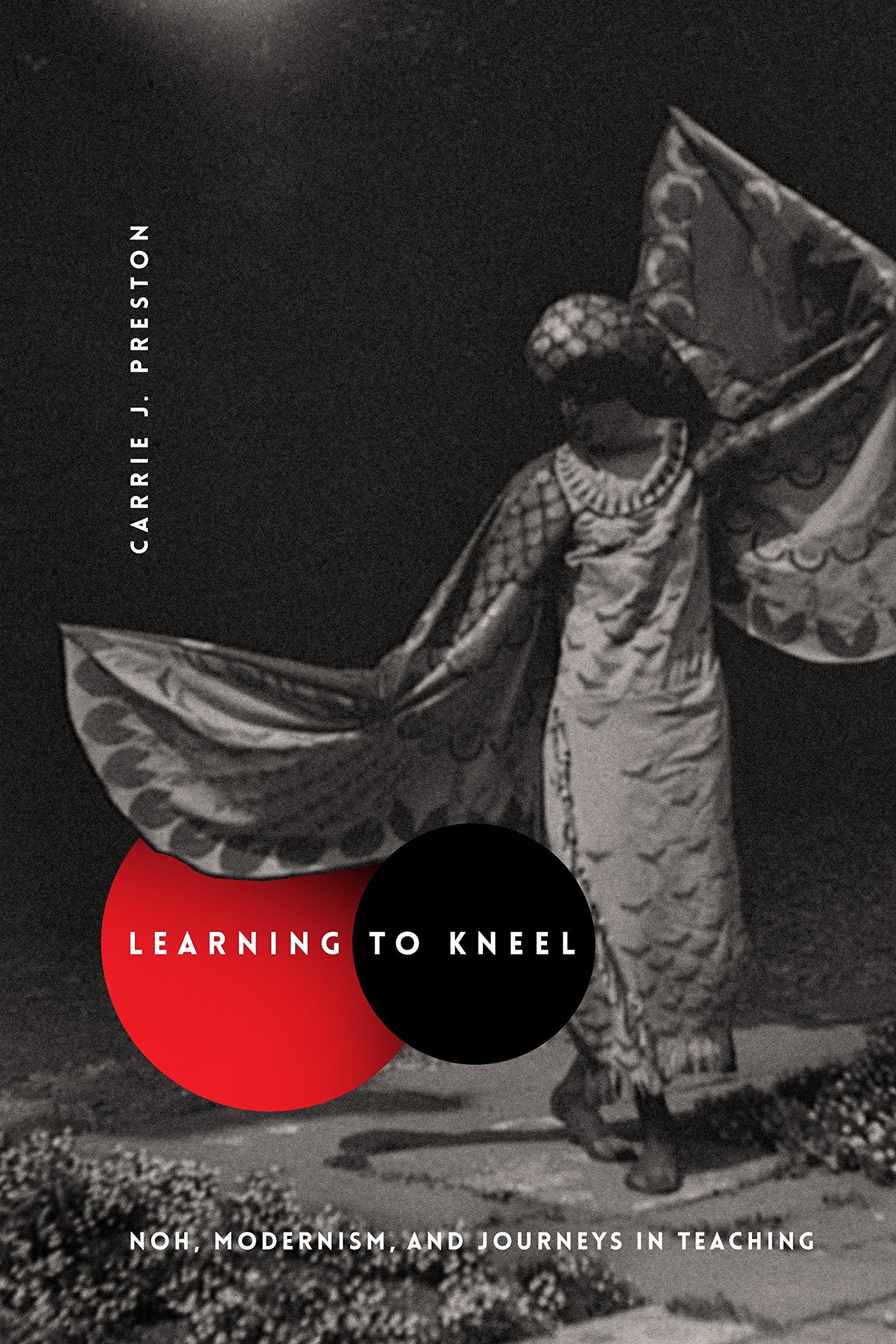
Title
Learning to Kneel: Noh, Modernism, and Journeys in Teaching (Modernist Latitudes),New
Sold by Ergodebooks, an authorized reseller.
Returns accepted within 30 days | support@ergodebooks.com
Shipping Information
- Free Standard Shipping — United States only
- Processing Time: 3–5 business days
- Estimated Delivery: 6–10 business days after dispatch
- Double-boxed, fully insured & discreetly packaged
- Tracking number sent via email once dispatched
Returns & Refund
Returns accepted within 30 days of delivery.
Damaged or Defective Item
Free return shipping + replacement or full refund
Wrong Item Received
Free return shipping + replacement or full refund
Change of Mind
Return shipping at customer's expense · 25% restocking fee applies
Payment Option

In this inventive mix of criticism, scholarship, and personal reflection, Carrie J. Preston explores the nature of crosscultural teaching, learning, and performance. Throughout the twentieth century, Japanese noh was a major creative catalyst for American and European writers, dancers, and composers. The noh theater's stylized choreography, poetic chant, spectacular costumes and masks, and engagement with history inspired Western artists as they reimagined new approaches to tradition and form. In Learning to Kneel, Preston locates noh's important influence on such canonical figures as Pound, Yeats, Brecht, Britten, and Beckett. These writers learned about noh from an international cast of collaborators, and Preston traces the ways in which Japanese and Western artists influenced one another.Preston's critical work was profoundly shaped by her own training in noh performance technique under a professional actor in Tokyo, who taught her to kneel, bow, chant, and submit to the teachings of a conservative tradition. This encounter challenged Preston's assumptions about effective teaching, particularly her inclinations to emphasize Western ideas of innovation and subversion and to overlook the complex ranges of agency experienced by teachers and students. It also inspired new perspectives regarding the generative relationship between Western writers and Japanese performers. Pound, Yeats, Brecht, and others are often criticized for their orientalist tendencies and misappropriation of noh, but Preston's analysis and her journey reflect a more nuanced understanding of cultural exchange.
⚠️ WARNING (California Proposition 65):
This product may contain chemicals known to the State of California to cause cancer, birth defects, or other reproductive harm.
For more information, please visit www.P65Warnings.ca.gov.