
Title
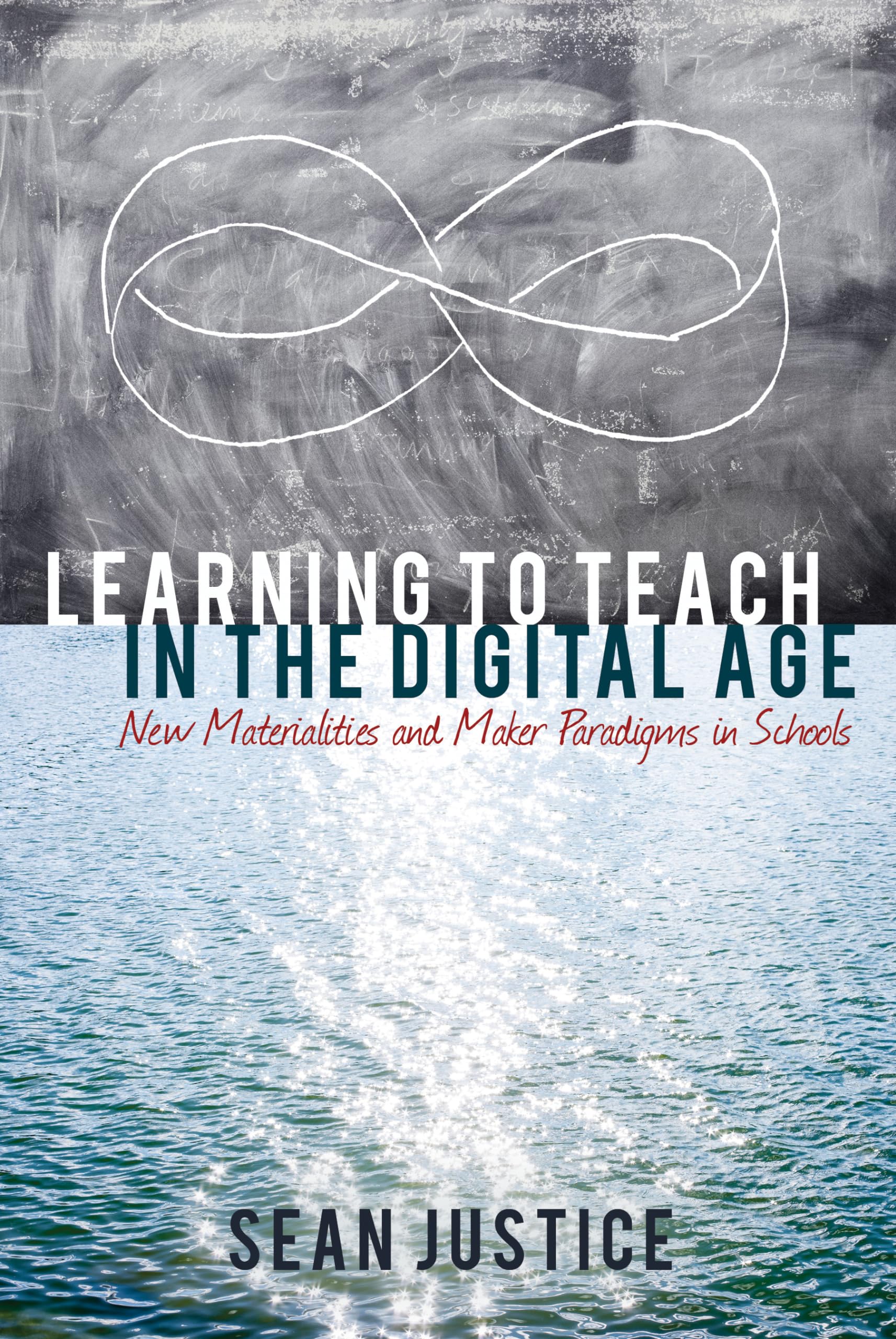
Learning to Teach in the Digital Age: New Materialities and Maker Paradigms in Schools (New Literacies and Digital Epistemologie,Used
Sold by Ergodebooks, an authorized reseller.
Returns accepted within 30 days | support@ergodebooks.com
Shipping Information
- Free Standard Shipping — United States only
- Processing Time: 3–5 business days
- Estimated Delivery: 6–10 business days after dispatch
- Double-boxed, fully insured & discreetly packaged
- Tracking number sent via email once dispatched
Returns & Refund
Returns accepted within 30 days of delivery.
Damaged or Defective Item
Free return shipping + replacement or full refund
Wrong Item Received
Free return shipping + replacement or full refund
Change of Mind
Return shipping at customer's expense · 25% restocking fee applies
Payment Option

Product Description Learning to Teach in the Digital Age tells the story of a group of K12 teachers as they began to connect with digital making and learning pedagogies. Guiding questions at the heart of this qualitative case study asked how teaching practices engaged with and responded to the maker movement and digital making and learning tools and materials. Over the course of one school year, Sean Justice attended to the ebb and flow of teaching and learning at an independent K12 girls school the northeastern United States. Teachers and administrators from across grade levels and academic domains participated in interviews and casual conversations, and opened their classrooms toad hoc observations. In conducting the study, Justice interwove a sociomaterial disposition with new materialism, posthumanism, and new media theory. Methods were inspired by narrative inquiry and actornetwork theory. Findings suggested that digital making and learning pedagogies were stabilizing at the school, but not in a linear way. Further, Justice suggests that the teaching practices that most engaged the ethos of twentyfirstcentury learning enacted a kind of learning we hear about from artists, writers, scientists, and mathematicians when they talk about what innovation feels like, leading to the proposition that a different kind of language is needed to describe the effects of digital materialities on teaching practice. About the Author Sean Justice (Ed.D.C.T., Teachers College, Columbia University) teaches and writes about maker education, material inquiry pedagogy, and teacher education in the digital age, and exhibits his artwork internationally. He is Assistant Professor of Art Education in the School of Art & Design at Texas State University.
⚠️ WARNING (California Proposition 65):
This product may contain chemicals known to the State of California to cause cancer, birth defects, or other reproductive harm.
For more information, please visit www.P65Warnings.ca.gov.