If you have any questions, you are always welcome to contact us. We'll get back to you as soon as possible, withing 24 hours on weekdays.
Customer service
All questions about your order, return and delivery must be sent to our customer service team by e-mail at yourstore@yourdomain.com
Sale & Press
If you are interested in selling our products, need more information about our brand or wish to make a collaboration, please contact us at press@yourdomain.com
Help
If you have any questions, you are always welcome to contact us. We'll get back to you as soon as possible, withing 24 hours on weekdays.
Customer service
All questions about your order, return and delivery must be sent to our customer service team by e-mail at yourstore@yourdomain.com
Sale & Press
If you are interested in selling our products, need more information about our brand or wish to make a collaboration, please contact us at press@yourdomain.com
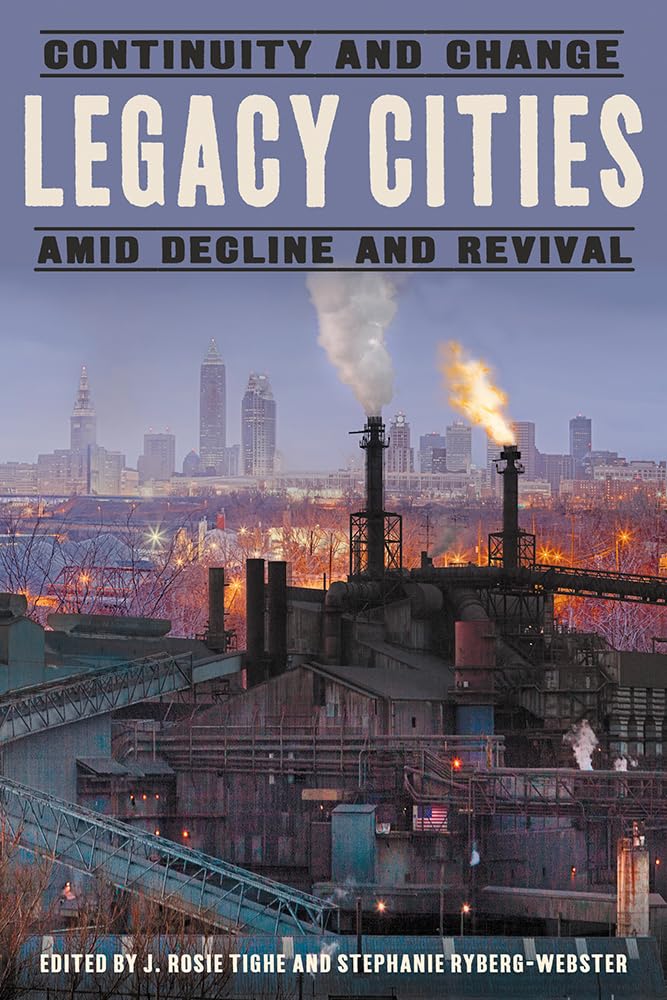
Legacy cities, also commonly referred to as shrinking, or postindustrial cities, are places that have experienced sustained population loss and economic contraction. In the United States, legacy cities are those that are largely within the Rust Belt that thrived during the first half of the 20th century. In the second half of the century, these cities declined in economic power and population leaving a legacy of housing stock, warehouse districts, and infrastructure that is ripe for revitalization. This volume explores not only the commonalities across legacy cities in terms of industrial heritage and population decline, but also their differences. Legacy Cities poses the questions: What are the legacies of legacy cities? How do these legacies drive contemporary urban policy, planning and decisionmaking? And, what are the prospects for the future of these cities? Contributors primarily focus on Cleveland, Ohio, but all Rust Belt cities are discussed.
⚠️ WARNING (California Proposition 65):
This product may contain chemicals known to the State of California to cause cancer,
birth defects, or other reproductive harm.
For MAP (Minimum Advertised Price) violations and Intellectual Property (IP) or Trademark concerns, please contact:
support@ergodebooks.com
⚠️ California Proposition 65 Warning: Some products sold on this website may expose you to chemicals known to the State of California to cause cancer, birth defects, or other reproductive harm. For more information, visit www.P65Warnings.ca.gov.