If you have any questions, you are always welcome to contact us. We'll get back to you as soon as possible, withing 24 hours on weekdays.
Customer service
All questions about your order, return and delivery must be sent to our customer service team by e-mail at yourstore@yourdomain.com
Sale & Press
If you are interested in selling our products, need more information about our brand or wish to make a collaboration, please contact us at press@yourdomain.com
Help
If you have any questions, you are always welcome to contact us. We'll get back to you as soon as possible, withing 24 hours on weekdays.
Customer service
All questions about your order, return and delivery must be sent to our customer service team by e-mail at yourstore@yourdomain.com
Sale & Press
If you are interested in selling our products, need more information about our brand or wish to make a collaboration, please contact us at press@yourdomain.com
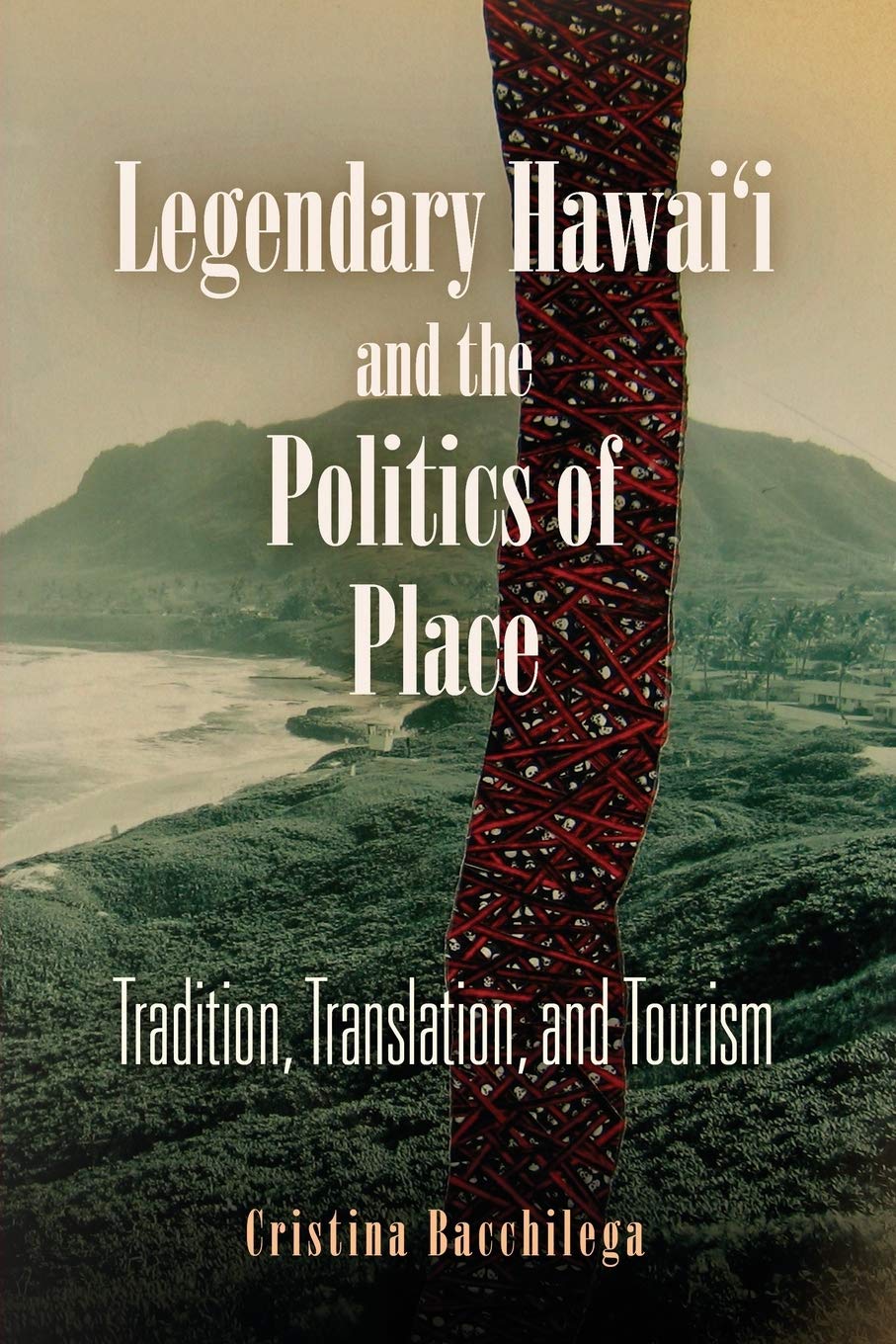
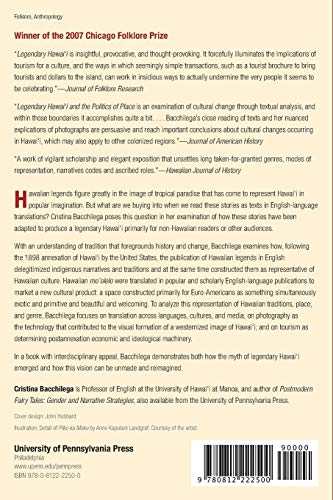
Hawaiian legends figure greatly in the image of tropical paradise that has come to represent Hawai'i in popular imagination. But what are we buying into when we read these stories as texts in Englishlanguage translations? Cristina Bacchilega poses this question in her examination of the way these stories have been adapted to produce a legendary Hawai'i primarily for nonHawaiian readers or other audiences.With an understanding of tradition that foregrounds history and change, Bacchilega examines how, following the 1898 annexation of Hawai'i by the United States, the publication of Hawaiian legends in English delegitimized indigenous narratives and traditions and at the same time constructed them as representative of Hawaiian culture. Hawaiian mo'olelo were translated in popular and scholarly Englishlanguage publications to market a new cultural product: a space constructed primarily for EuroAmericans as something simultaneously exotic and primitive and beautiful and welcoming. To analyze this representation of Hawaiian traditions, place, and genre, Bacchilega focuses on translation across languages, cultures, and media; on photography, as the technology that contributed to the visual formation of a westernized image of Hawai'i; and on tourism as determining postannexation economic and ideological machinery.In a book with interdisciplinary appeal, Bacchilega demonstrates both how the myth of legendary Hawai'i emerged and how this vision can be unmade and reimagined.
⚠️ WARNING (California Proposition 65):
This product may contain chemicals known to the State of California to cause cancer,
birth defects, or other reproductive harm.
For MAP (Minimum Advertised Price) violations and Intellectual Property (IP) or Trademark concerns, please contact:
support@ergodebooks.com
⚠️ California Proposition 65 Warning: Some products sold on this website may expose you to chemicals known to the State of California to cause cancer, birth defects, or other reproductive harm. For more information, visit www.P65Warnings.ca.gov.