
Title


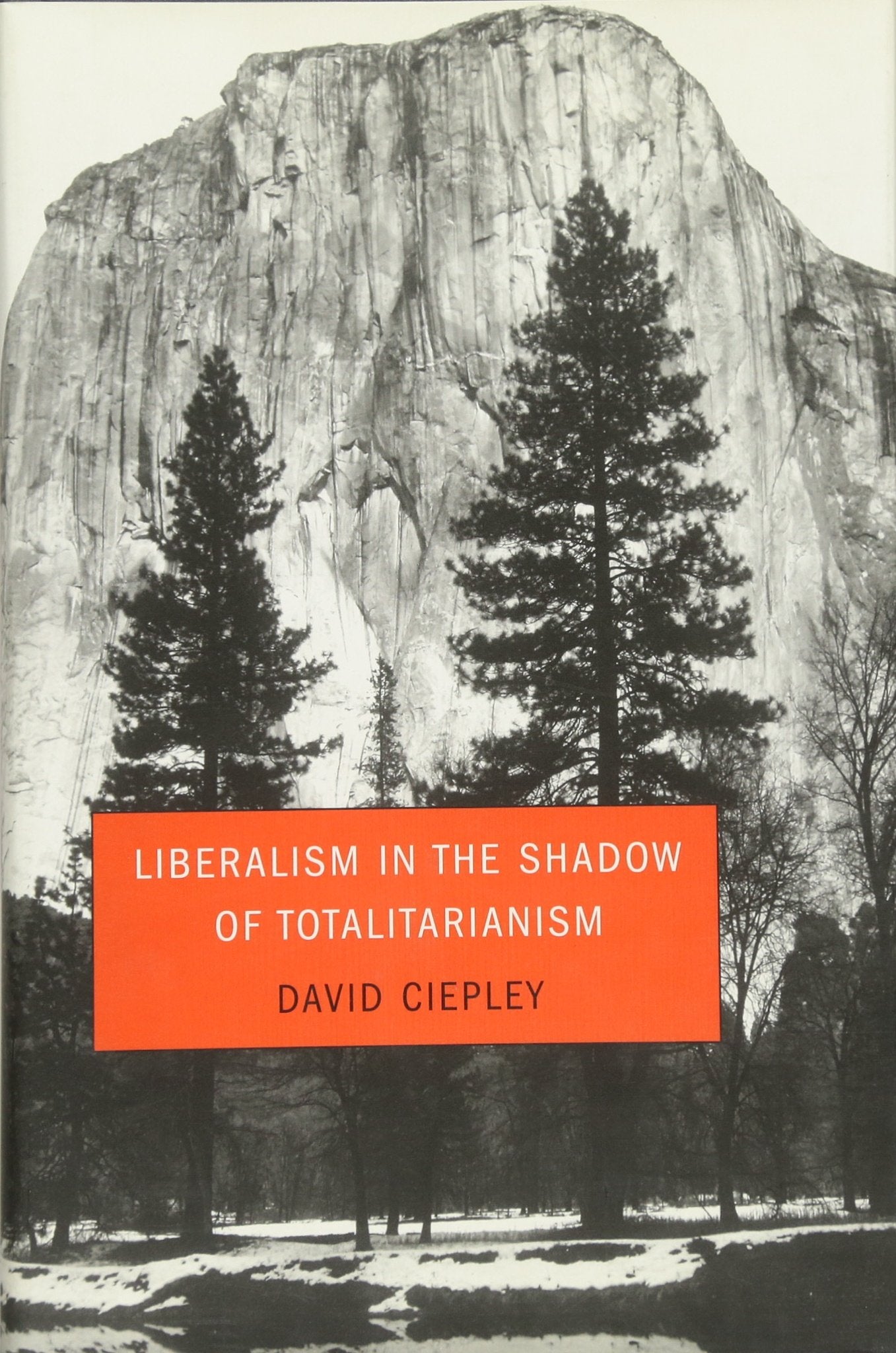
Liberalism in the Shadow of Totalitarianism,Used
Sold by Ergodebooks, an authorized reseller.
Returns accepted within 30 days | support@ergodebooks.com
Shipping Information
- Free Standard Shipping — United States only
- Processing Time: 3–5 business days
- Estimated Delivery: 6–10 business days after dispatch
- Double-boxed, fully insured & discreetly packaged
- Tracking number sent via email once dispatched
Returns & Refund
Returns accepted within 30 days of delivery.
Damaged or Defective Item
Free return shipping + replacement or full refund
Wrong Item Received
Free return shipping + replacement or full refund
Change of Mind
Return shipping at customer's expense · 25% restocking fee applies
Payment Option

This book argues that, more than any other factor, it was the encounter with totalitarianism that dissolved the ideals of American progressivism and crystallized the ideals of postwar liberalism. The New Deal began as a revolution in favor of progressive governanceexecutivecentered and expertguided. But as David Ciepley shows, by the late 1930s, intellectuals and elites, reacting against the menace of totalitarianism, began to shrink from using state power to guide the economy or foster citizen virtues. All of the more statist governance projects of the New Deal were curtailed or abandoned, regardless of success, and the country placed on a more libertariancorporatist trajectory, both economically and culturally. In economics, attempts to reorient industry from private profit to public use were halted, and free enterprise was reaffirmed. In politics, the ideal of governance by a strong, independent executive was rejectedalong with notions of 'central planning,' 'social control,' and state imposition of 'values'and a politics of contending interest groups was embraced. In law, the encounter with totalitarianism brought an end to judicial deference, the embrace of civil rights and civil liberties, and the neutralist reinterpretation, and radicalization, of both. Finally, in culture, the encounter sowed the seeds of our own erathe era of the culture warsin which traditional America has been mobilized against these liberal legal advances, and against the entire neutralist, 'relativist,' 'secular humanist' reinterpretation of America that accompanies them.
⚠️ WARNING (California Proposition 65):
This product may contain chemicals known to the State of California to cause cancer, birth defects, or other reproductive harm.
For more information, please visit www.P65Warnings.ca.gov.