If you have any questions, you are always welcome to contact us. We'll get back to you as soon as possible, withing 24 hours on weekdays.
Customer service
All questions about your order, return and delivery must be sent to our customer service team by e-mail at yourstore@yourdomain.com
Sale & Press
If you are interested in selling our products, need more information about our brand or wish to make a collaboration, please contact us at press@yourdomain.com
Help
If you have any questions, you are always welcome to contact us. We'll get back to you as soon as possible, withing 24 hours on weekdays.
Customer service
All questions about your order, return and delivery must be sent to our customer service team by e-mail at yourstore@yourdomain.com
Sale & Press
If you are interested in selling our products, need more information about our brand or wish to make a collaboration, please contact us at press@yourdomain.com
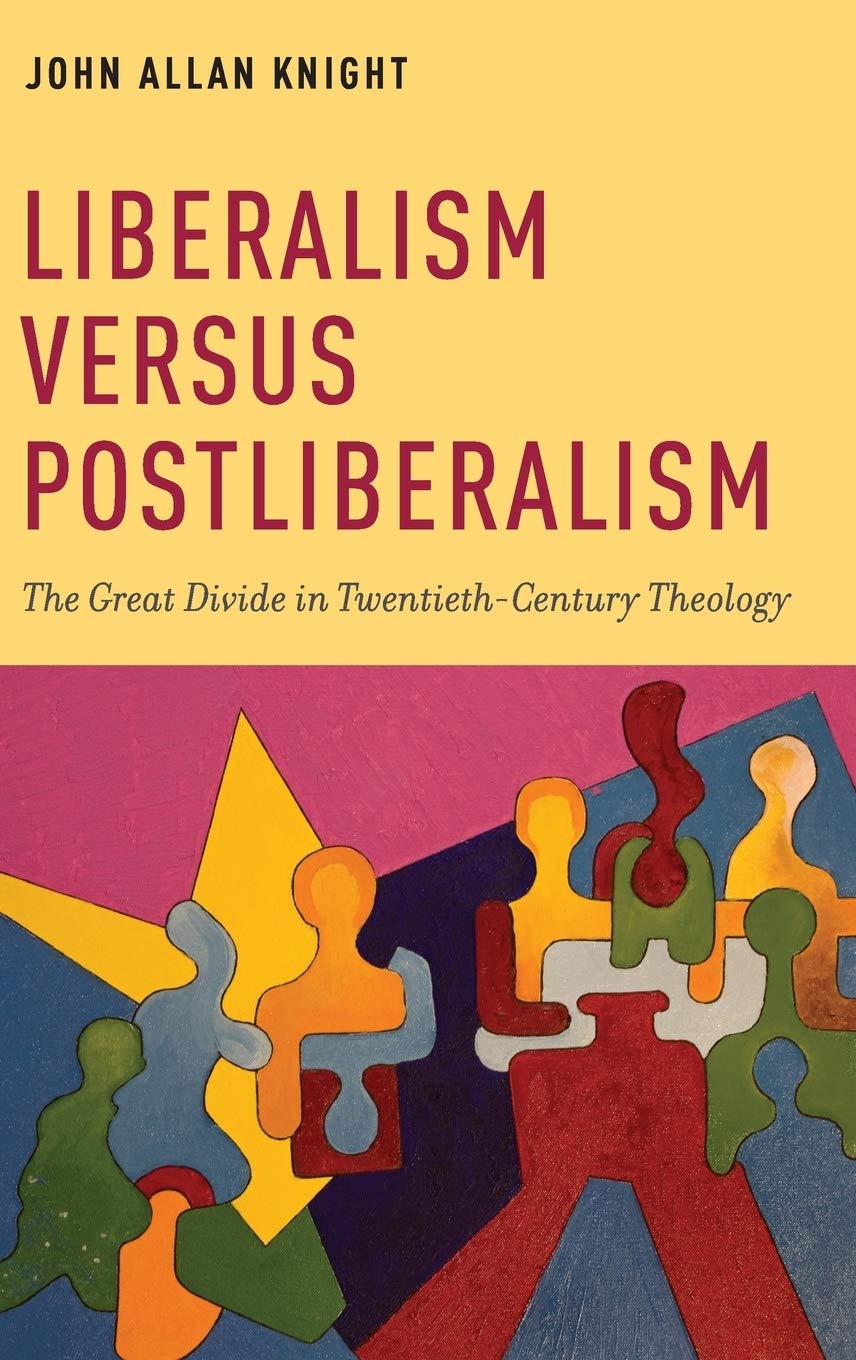
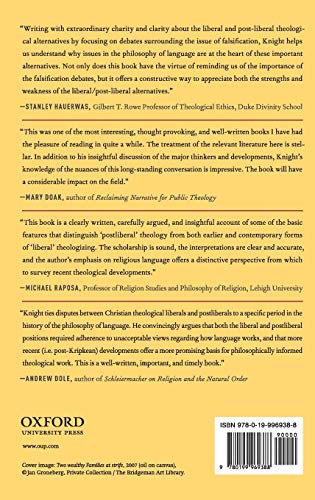
The divide between liberal and postliberal theology is one of the most important and farreaching methodological disputes in twentiethcentury theology. Their divergence in method brought related differences in their approaches to hermeneutics and religious language. This split in the understanding of religious language is widely acknowledged, but rigorous philosophical analysis and assessment of it is seldom seen.Liberalism versus Postliberalism provides such analyses, using the developments in analytic philosophy of language over the past forty years. The book provides an original reading of the "theology and falsification" debates of the 1950s and 60s, and Knight's interpretation of the debates supplies a philosophical lens that brings into focus the centrality of religious language in the methodological dispute between liberal and postliberal theologians. Knight suggests that recent philosophical developments reveal problems with both positions and argues for a more inclusive method that takes seriously the aspirations of the debaters. His book makes an important contribution to contemporary theological method, to the understanding of liberal and postliberal theologies, and to our understanding of the role of analytic philosophy in contemporary theology and religious studies.
⚠️ WARNING (California Proposition 65):
This product may contain chemicals known to the State of California to cause cancer,
birth defects, or other reproductive harm.
For MAP (Minimum Advertised Price) violations and Intellectual Property (IP) or Trademark concerns, please contact:
support@ergodebooks.com
⚠️ California Proposition 65 Warning: Some products sold on this website may expose you to chemicals known to the State of California to cause cancer, birth defects, or other reproductive harm. For more information, visit www.P65Warnings.ca.gov.