
Title
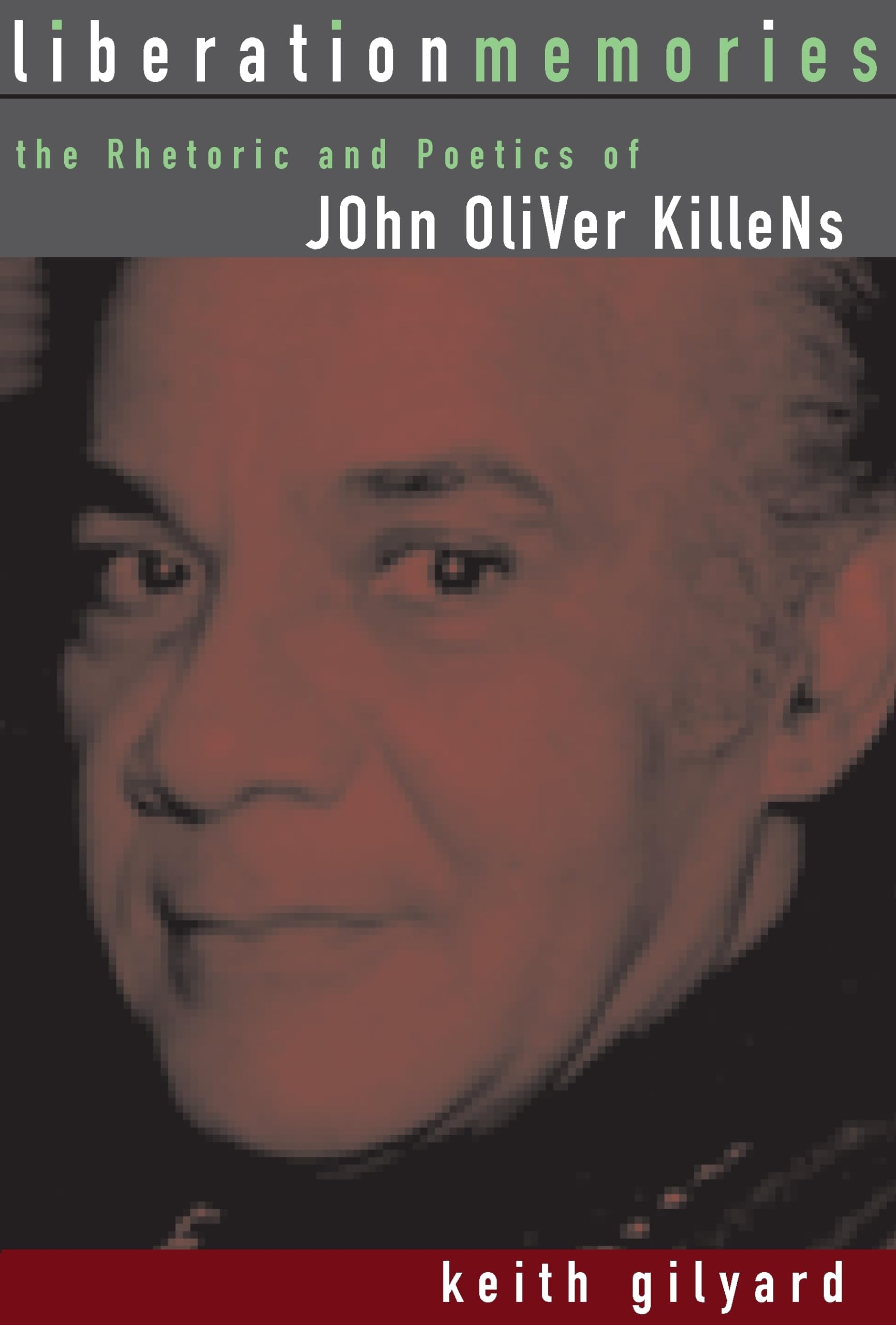
Liberation Memories: The Rhetoric And Poetics Of John Oliver Killens (African American Life),Used
Sold by Ergodebooks, an authorized reseller.
Returns accepted within 30 days | support@ergodebooks.com
Shipping Information
- Free Standard Shipping — United States only
- Processing Time: 3–5 business days
- Estimated Delivery: 6–10 business days after dispatch
- Double-boxed, fully insured & discreetly packaged
- Tracking number sent via email once dispatched
Returns & Refund
Returns accepted within 30 days of delivery.
Damaged or Defective Item
Free return shipping + replacement or full refund
Wrong Item Received
Free return shipping + replacement or full refund
Change of Mind
Return shipping at customer's expense · 25% restocking fee applies
Payment Option

No serious history of the development of the African American novel from the 1950s onward can be written without reference to John Oliver Killens. A twotime nominee for the Pulitzer Prize and founding chairman of the legendary Harlem Writers Guild, Killens was regarded by many as a spiritual father who inspired a generation of African American novelists with his politically charged works. And yet today he rarely receives proper critical attention. Seeking to strengthen our understanding of this important literary figure, Keith Gilyard departs from standard critical frameworks to reveal Killens's novels as artful renderings of rich African American rhetorical forms and verbal traditions.Gilyard finds that many critics, adhering to ideals of art for art's sake or narrative conciseness, are illequipped to appreciate the many ways in which Killens's fiction succeeds. Rejecting the 'pure art' position, Killens sought to articulate Black heroism particularly within a family or community context, offering a set of values he deemed liberatory. He focused on rendering noble and polemical characters, and his work represents a distinguished fusion of sociopolitical persuasion (rhetoric) and literary artifact (poetics).To help illuminate such novels as Youngblood (1954), And Then We Heard the Thunder (1962), and The Cotillion (1971), Gilyard examines Killens's work as an essayist and cultural organizer, highlighting his activism. His life and literary production can be partly characterized, Gilyard suggests, by the African American jeremiada major rhetorical form in the Black intellectual tradition expressing faith that America's destiny is to become an authentic, pluralistic democracy.
⚠️ WARNING (California Proposition 65):
This product may contain chemicals known to the State of California to cause cancer, birth defects, or other reproductive harm.
For more information, please visit www.P65Warnings.ca.gov.