If you have any questions, you are always welcome to contact us. We'll get back to you as soon as possible, withing 24 hours on weekdays.
Customer service
All questions about your order, return and delivery must be sent to our customer service team by e-mail at yourstore@yourdomain.com
Sale & Press
If you are interested in selling our products, need more information about our brand or wish to make a collaboration, please contact us at press@yourdomain.com
Help
If you have any questions, you are always welcome to contact us. We'll get back to you as soon as possible, withing 24 hours on weekdays.
Customer service
All questions about your order, return and delivery must be sent to our customer service team by e-mail at yourstore@yourdomain.com
Sale & Press
If you are interested in selling our products, need more information about our brand or wish to make a collaboration, please contact us at press@yourdomain.com
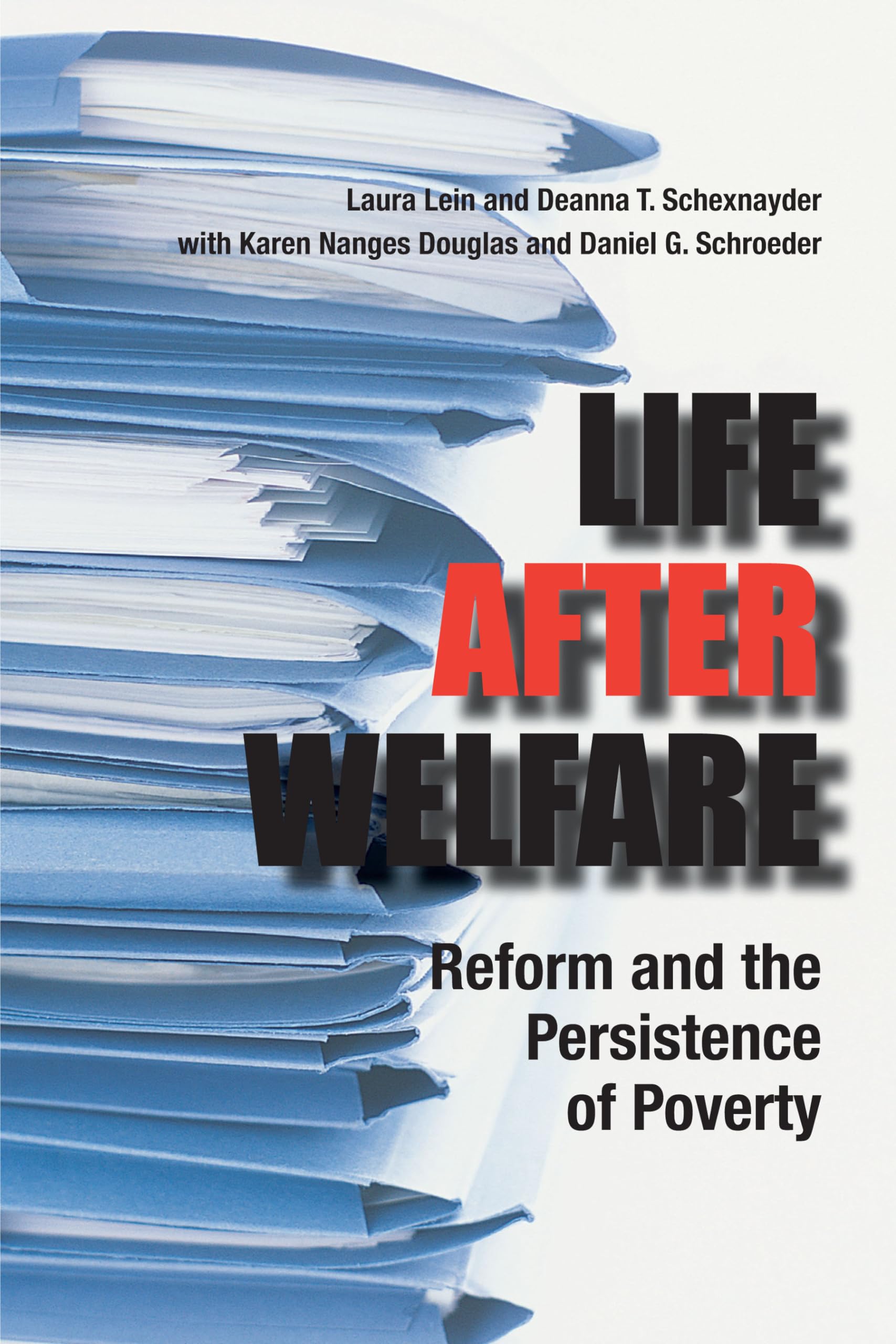
A Choice Outstanding Academic BookIn the decade since President Clinton signed the Personal Responsibility and Work Opportunity Reconciliation Act of 1996 into lawamidst promises that it would 'end welfare as we know it'did the reforms ending entitlements and moving toward time limits and work requirements lift Texas families once living on welfare out of poverty, or merely strike their names from the administrative rolls?Under welfare reform, Texas continued with low monthly payments and demanding eligibility criteria. Many families who could receive welfare in other states do not qualify in Texas, and virtually any parttime job makes a family ineligible. In Texas, most families who leave welfare remain in or near poverty, and many are likely to return to the welfare rolls in the future.This compelling work, which follows 179 families after leaving welfare, is set against a backdrop of multiple types of data and econometric modeling. The authors' multimethod approach draws on administrative data from nine programs serving lowincome families and a statewide survey of families who have left welfare. Survey data on health problems, transportation needs, and childcare issues shed light on the patterns of employment and welfare use seen in the administrative data. In their lives after welfare, the families chronicled here experience poverty even when employed; a multiplicity of barriers to employment that work to exacerbate one another; and a failing safety net of basic human services as they attempt to sustain lowwage employment.
⚠️ WARNING (California Proposition 65):
This product may contain chemicals known to the State of California to cause cancer,
birth defects, or other reproductive harm.
For MAP (Minimum Advertised Price) violations and Intellectual Property (IP) or Trademark concerns, please contact:
support@ergodebooks.com
⚠️ California Proposition 65 Warning: Some products sold on this website may expose you to chemicals known to the State of California to cause cancer, birth defects, or other reproductive harm. For more information, visit www.P65Warnings.ca.gov.