
Title
Life And Death On Mt. Everest: Sherpas And Himalayan Mountaineering,New
Sold by Ergodebooks, an authorized reseller.
Returns accepted within 30 days | support@ergodebooks.com
Shipping Information
- Free Standard Shipping — United States only
- Processing Time: 3–5 business days
- Estimated Delivery: 6–10 business days after dispatch
- Double-boxed, fully insured & discreetly packaged
- Tracking number sent via email once dispatched
Returns & Refund
Returns accepted within 30 days of delivery.
Damaged or Defective Item
Free return shipping + replacement or full refund
Wrong Item Received
Free return shipping + replacement or full refund
Change of Mind
Return shipping at customer's expense · 25% restocking fee applies
Payment Option

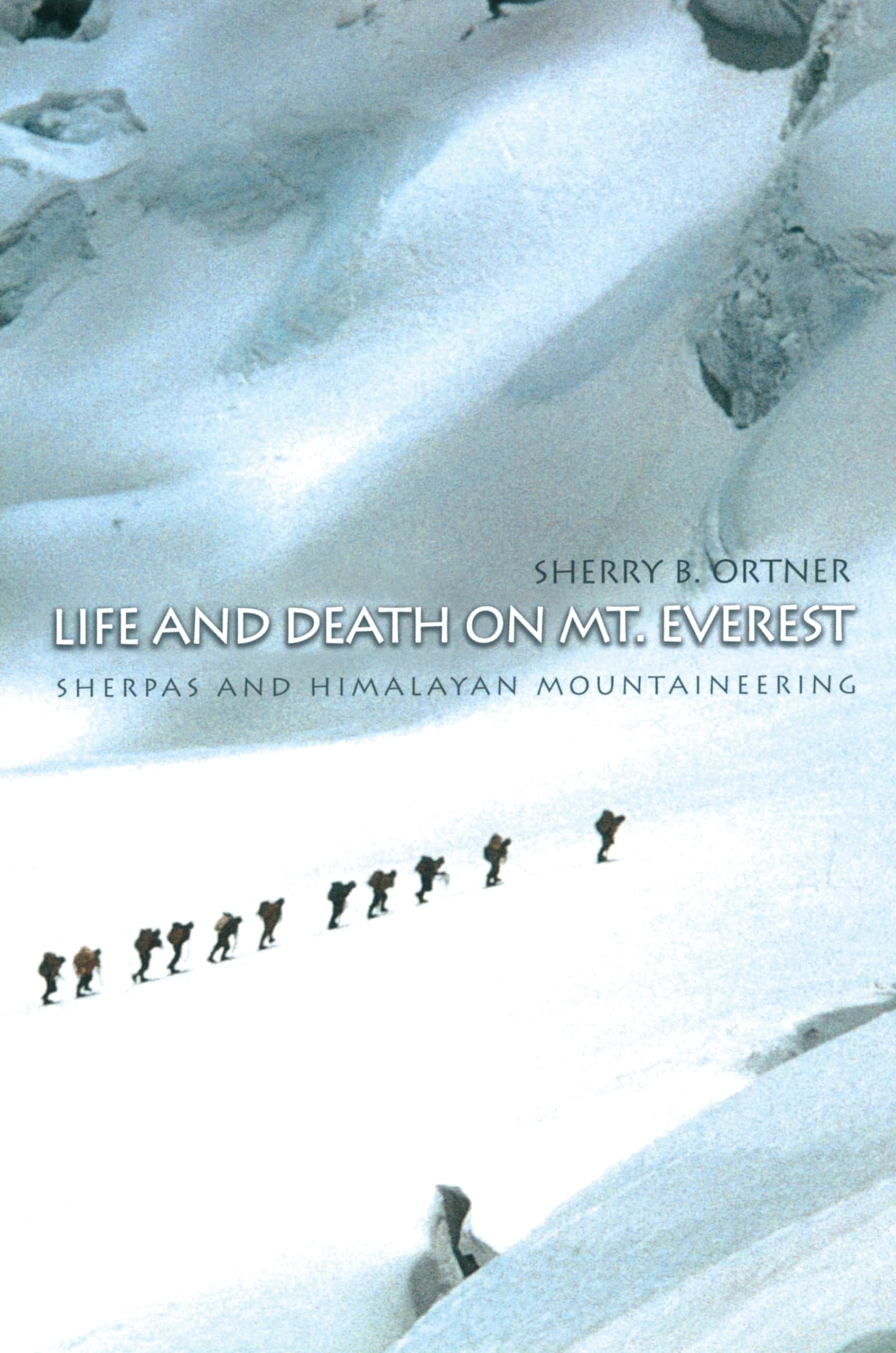
The Sherpas Were Dead, Two More Victims Of An Attempt To Scale Mt. Everest. Members Of A French Climbing Expedition, Sensitive Perhaps About Leaving The Bodies Where They Could Not Be Recovered, Rolled Them Off A Steep Mountain Face. One Body, However, Crashed To A Stop Near Sherpas On A Separate Expedition Far Below. They Stared At The Frozen Corpse, Stunned. They Said Nothing, But An American Climber Observing The Scene Interpreted Their Thoughts: Nobody Would Throw The Body Of A White Climber Off Mt. Everest.For More Than A Century, Climbers From Around The World Have Journeyed To Test Themselves On Everest'S Treacherous Slopes, Enlisting The Expert Aid Of The Sherpas Who Live In The Area. Drawing On Years Of Field Research In The Himalayas, Renowned Anthropologist Sherry Ortner Presents A Compelling Account Of The Evolving Relationship Between The Mountaineers And The Sherpas, A Relationship Of Mutual Dependence And Cultural Conflict Played Out In An Environment Of Mortal Risk.Ortner Explores This Relationship Partly Through Gripping Accounts Of Expeditionsoften In The Climbers' Own Wordsranging From Nineteenthcentury Forays By The British Through The Historic Ascent Of Hillary And Tenzing To The Disasters Described In Jon Krakauer'S Into Thin Air. She Reveals The Climbers, Or 'Sahibs,' To Use The Sherpas' Phrase, As Countercultural Romantics, Seeking To Transcend The Vulgarity And Materialism Of Modernity Through The Rigor And Beauty Of Mountaineering. She Shows How Climbers' Behavior Toward The Sherpas Has Ranged From Kindness To Cruelty, From Cultural Sensitivity To Derision. Ortner Traces The Political And Economic Factors That Led The Sherpas To Join Expeditions And Examines The Impact Of Climbing On Their Traditional Culture, Religion, And Identity. She Examines Sherpas' Attitude Toward Death, The Implications Of The Shared Masculinity Of Sherpas And Sahibs, And The Relationship Between Sherpas And The Increasing Number Of Women Climbers. Ortner Also Tackles Debates About Whether The Sherpas Have Been 'Spoiled' By Mountaineering And Whether Climbing Itself Has Been Spoiled By Commercialism.
⚠️ WARNING (California Proposition 65):
This product may contain chemicals known to the State of California to cause cancer, birth defects, or other reproductive harm.
For more information, please visit www.P65Warnings.ca.gov.
- Q: What is the page count of this book? A: The book contains three hundred seventy-six pages. This length provides an in-depth exploration of the Sherpas and Himalayan mountaineering.
- Q: What are the dimensions of this book? A: The book measures six point twenty-six inches in length, one inch in width, and nine point twenty-five inches in height. These dimensions make it a manageable size for reading.
- Q: What type of binding does this book have? A: This book is available in paperback binding. Paperback is lightweight and flexible, making it suitable for travel or casual reading.
- Q: Who is the author of this book? A: The author of this book is Sherry B. Ortner. She is a renowned anthropologist known for her research in the Himalayas.
- Q: What category does this book fall into? A: This book is categorized as a reference book. It provides valuable insights into the cultural dynamics of mountaineering.
- Q: Is this book suitable for young readers? A: This book is primarily aimed at adults and older teens. It discusses complex themes related to culture and mortality.
- Q: How should I store this book? A: Store this book upright on a shelf or in a bookcase. Avoid placing heavy items on top to prevent damage.
- Q: Is there a specific way to clean this book? A: To clean this book, use a dry cloth to gently wipe the cover. Avoid moisture to protect the pages and binding.
- Q: Can I take this book on outdoor adventures? A: Yes, this book can be taken on outdoor adventures. Its paperback format makes it lightweight and portable.
- Q: What if the book arrives damaged? A: If the book arrives damaged, contact the seller or retailer for their return policy. Most retailers offer exchanges or refunds for damaged items.
- Q: How does this book compare to other mountaineering books? A: This book offers unique insights into the relationship between climbers and Sherpas, unlike many other mountaineering books that focus solely on adventure.
- Q: Is this book a good choice for someone interested in anthropology? A: Yes, this book is an excellent choice for those interested in anthropology. It provides a detailed examination of cultural interactions in mountaineering.
- Q: What themes are explored in this book? A: This book explores themes of cultural conflict, mutual dependence, and the impact of climbing on Sherpa identity. It provides a comprehensive understanding of these dynamics.
- Q: Are there any discussions about gender in this book? A: Yes, the book discusses the relationship between Sherpas and the increasing number of women climbers. It highlights evolving gender roles in mountaineering.
- Q: Does this book include historical accounts? A: Yes, the book includes historical accounts of climbing expeditions. These narratives range from nineteenth-century British forays to recent disasters.