
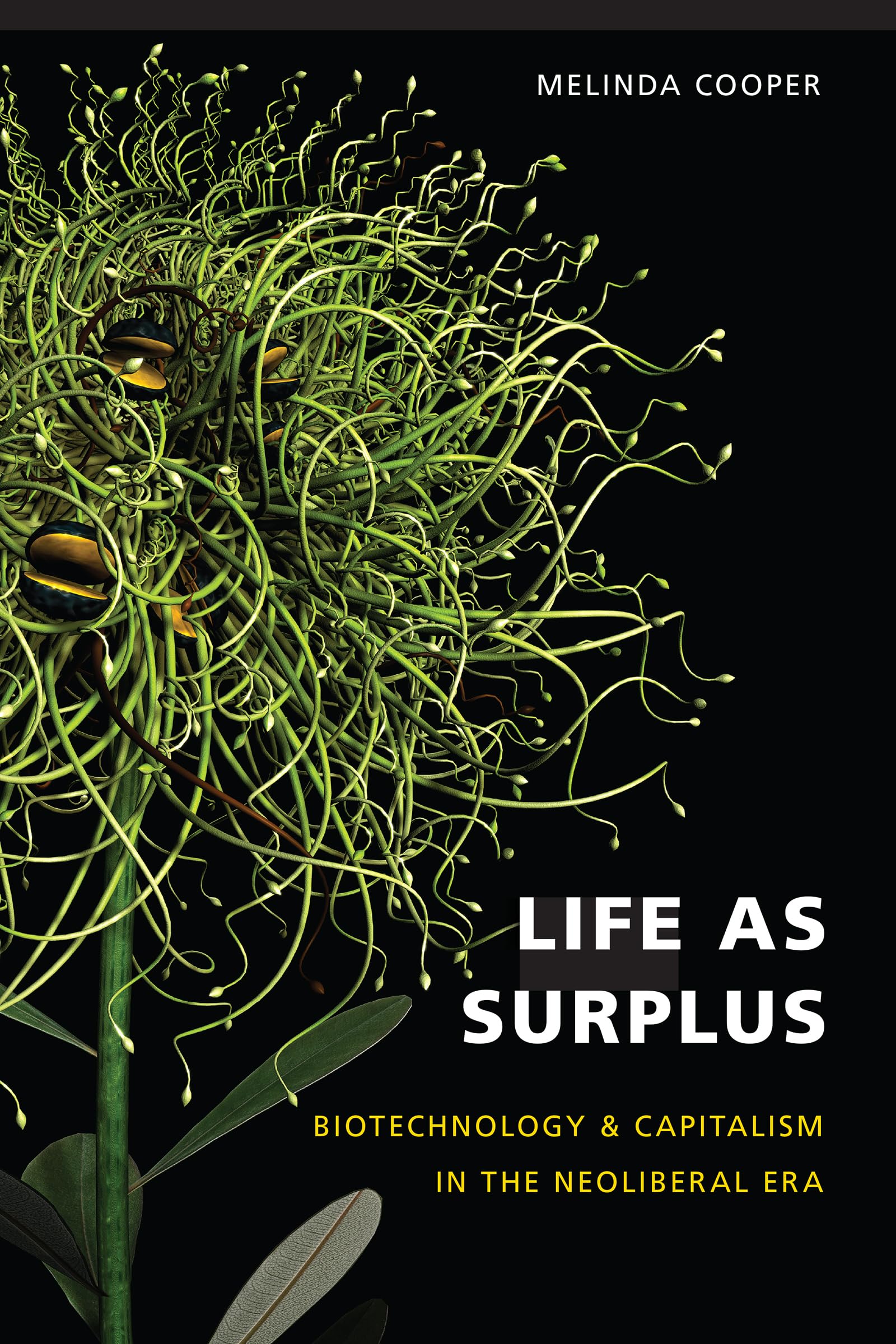
Title
Life As Surplus: Biotechnology And Capitalism In The Neoliberal Era,New
Sold by Ergodebooks, an authorized reseller.
Returns accepted within 30 days | support@ergodebooks.com
Shipping Information
- Free Standard Shipping — United States only
- Processing Time: 3–5 business days
- Estimated Delivery: 6–10 business days after dispatch
- Double-boxed, fully insured & discreetly packaged
- Tracking number sent via email once dispatched
Returns & Refund
Returns accepted within 30 days of delivery.
Damaged or Defective Item
Free return shipping + replacement or full refund
Wrong Item Received
Free return shipping + replacement or full refund
Change of Mind
Return shipping at customer's expense · 25% restocking fee applies
Payment Option

Focusing On The Period Between The 1970S And The Present, Life As Surplus Is A Pointed And Important Study Of The Relationship Between Politics, Economics, Science, And Cultural Values In The United States Today. Melinda Cooper Demonstrates That The History Of Biotechnology Cannot Be Understood Without Taking Into Account The Simultaneous Rise Of Neoliberalism As A Political Force And An Economic Policy. From The Development Of Recombinant Dna Technology In The 1970S To The Second Bush Administration'S Policies On Stem Cell Research, Cooper Connects The Utopian Polemic Of Freemarket Capitalism With Growing Internal Contradictions Of The Commercialized Life Sciences.The Biotech Revolution Relocated Economic Production At The Genetic, Microbial, And Cellular Level. Taking As Her Point Of Departure The Assumption That Life Has Been Drawn Into The Circuits Of Value Creation, Cooper Underscores The Relations Between Scientific, Economic, Political, And Social Practices. In Penetrating Analyses Of Reaganera Science Policy, The Militarization Of The Life Sciences, Hiv Politics, Pharmaceutical Imperialism, Tissue Engineering, Stem Cell Science, And The Prolife Movement, The Author Examines The Speculative Impulses That Have Animated The Growth Of The Bioeconomy.At The Very Core Of The New Postindustrial Economy Is The Transformation Of Biological Life Into Surplus Value. Life As Surplus Offers A Clear Assessment Of Both The Transformative, Therapeutic Dimensions Of The Contemporary Life Sciences And The Violence, Obligation, And Debt Servitude Crystallizing Around The Emerging Bioeconomy.
⚠️ WARNING (California Proposition 65):
This product may contain chemicals known to the State of California to cause cancer, birth defects, or other reproductive harm.
For more information, please visit www.P65Warnings.ca.gov.
- Q: What are the dimensions of this book? A: The book measures seven point zero one inches in length, zero point five nine inches in width, and eight point eight three inches in height.
- Q: How many pages does this book have? A: This book contains two hundred eight pages, offering an extensive exploration of biotechnology and capitalism.
- Q: What type of binding does this book have? A: This book is published in paperback binding, making it lightweight and easy to handle.
- Q: Who is the author of this book? A: The author of this book is Melinda Cooper, who provides insights into biotechnology and neoliberalism.
- Q: What category does this book belong to? A: This book is categorized under Biology, focusing on the intersection of life sciences and economics.
- Q: What is the main theme of this book? A: The main theme of this book is the relationship between biotechnology and capitalism in the context of neoliberal policies.
- Q: Is this book suitable for general readers? A: Yes, this book is suitable for general readers interested in the social and economic implications of biotechnology.
- Q: What key topics are discussed in this book? A: Key topics include the biotech revolution, stem cell research, and the implications of neoliberalism on life sciences.
- Q: How does this book address the bioeconomy? A: The book examines the transformation of biological life into surplus value, highlighting the socio-economic impacts of the bioeconomy.
- Q: What should I do to maintain this book's condition? A: To maintain this book's condition, store it in a cool, dry place and avoid direct sunlight.
- Q: Is this book safe to read for younger audiences? A: While the book covers complex topics, it is generally suitable for mature high school students and above.
- Q: Can I return the book if I change my mind? A: Yes, there is a no quibbles return policy, allowing you to return the book if it does not meet your expectations.
- Q: What if the book arrives damaged? A: If the book arrives damaged, you can contact customer support for assistance and to initiate a return or exchange.
- Q: How quickly will my order be dispatched? A: Orders received before twelve noon are dispatched the same day, ensuring prompt delivery.
- Q: What condition is the book in when purchased? A: The book is in new and mint condition, ready for immediate reading or collection.
- Q: What publisher released this book? A: This book is published by the University of Washington Press, known for its academic publications.