If you have any questions, you are always welcome to contact us. We'll get back to you as soon as possible, withing 24 hours on weekdays.
Customer service
All questions about your order, return and delivery must be sent to our customer service team by e-mail at yourstore@yourdomain.com
Sale & Press
If you are interested in selling our products, need more information about our brand or wish to make a collaboration, please contact us at press@yourdomain.com
Help
If you have any questions, you are always welcome to contact us. We'll get back to you as soon as possible, withing 24 hours on weekdays.
Customer service
All questions about your order, return and delivery must be sent to our customer service team by e-mail at yourstore@yourdomain.com
Sale & Press
If you are interested in selling our products, need more information about our brand or wish to make a collaboration, please contact us at press@yourdomain.com
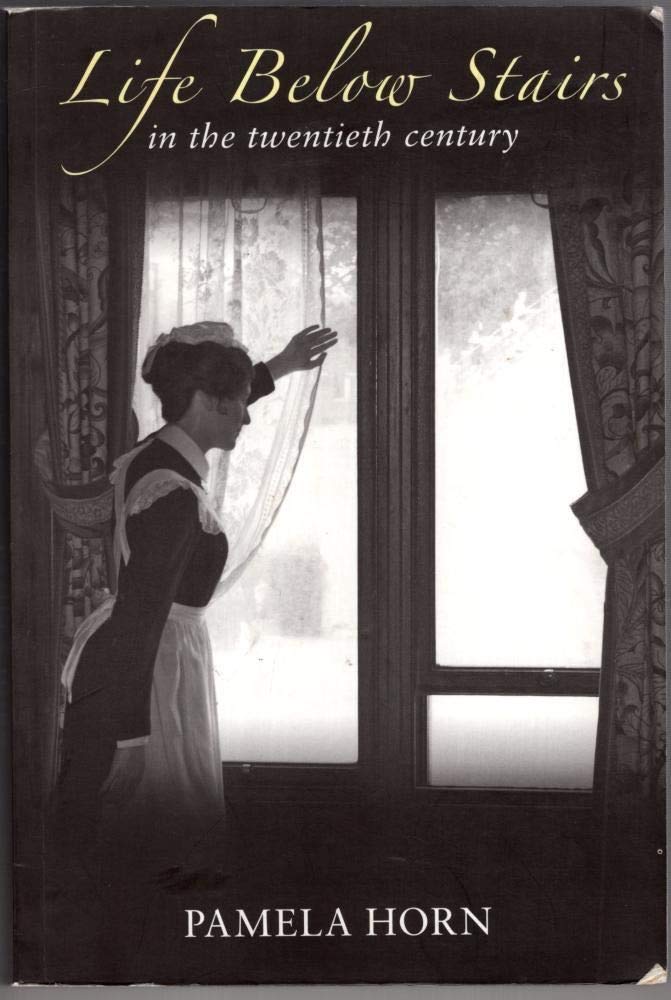
In 1931 domestic service remained the largest female occupation in Britain. We view it today as an undesirable job, owing to the class divide it has come to represent, and this is reflected in the portrayals of mistresses and servants in books and on the screen. However, it was seen as the perfect way to equip young women with the skills necessary to become good wives and mothers, and continues to be a career taken up by many today. But what do we really know about how girls felt when taking up these positions in other people As houses, or how they were treated? Indeed, how has the domestic role changed over the years to incorporate nannies, au pairs and domestic staff in hotels, hospitals and other institutions? This first major study of domestic workers in the twentieth century includes firsthand accounts and reminiscences from men and women working in this sphere. Pamela Horn uses these sources, as well as official records and newspaper reports, to extract the truth about the lives and status of men and women in domestic service from A Ai900 to the new millennium. The reluctance of many women to return to service after the two world wars is discussed, together with government efforts to persuade them otherwise. Overseas recruitment is not forgotten, as a number of young women were trained in government centres for employment in the colonies, and many also came from other countries looking for work. Written with authority and from a national perspective, this wellresearched study is essential reading for social historians and anyone with an interest in modern history.
⚠️ WARNING (California Proposition 65):
This product may contain chemicals known to the State of California to cause cancer,
birth defects, or other reproductive harm.
For MAP (Minimum Advertised Price) violations and Intellectual Property (IP) or Trademark concerns, please contact:
support@ergodebooks.com
⚠️ California Proposition 65 Warning: Some products sold on this website may expose you to chemicals known to the State of California to cause cancer, birth defects, or other reproductive harm. For more information, visit www.P65Warnings.ca.gov.