If you have any questions, you are always welcome to contact us. We'll get back to you as soon as possible, withing 24 hours on weekdays.
Customer service
All questions about your order, return and delivery must be sent to our customer service team by e-mail at yourstore@yourdomain.com
Sale & Press
If you are interested in selling our products, need more information about our brand or wish to make a collaboration, please contact us at press@yourdomain.com
Help
If you have any questions, you are always welcome to contact us. We'll get back to you as soon as possible, withing 24 hours on weekdays.
Customer service
All questions about your order, return and delivery must be sent to our customer service team by e-mail at yourstore@yourdomain.com
Sale & Press
If you are interested in selling our products, need more information about our brand or wish to make a collaboration, please contact us at press@yourdomain.com
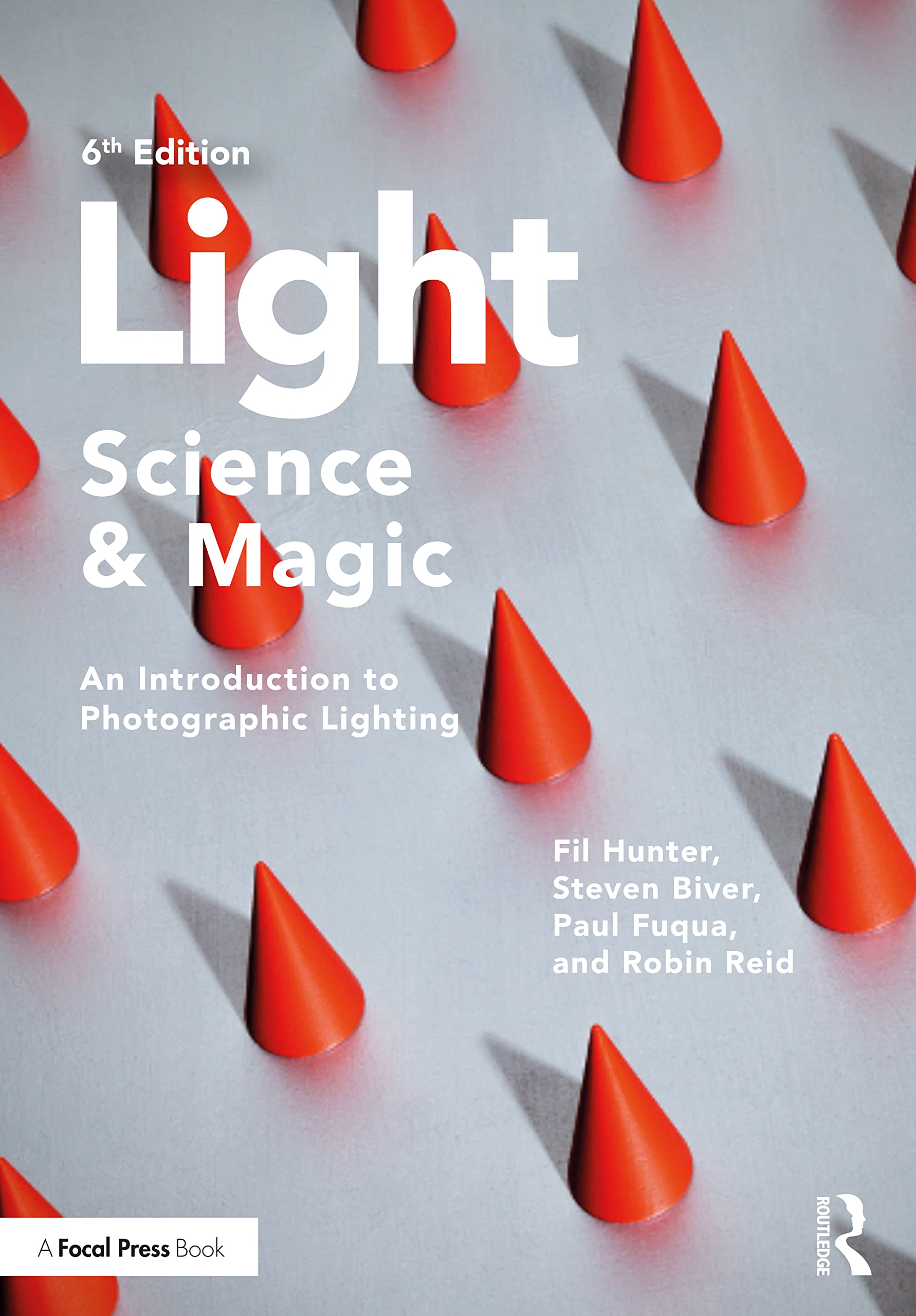
Photographic lighting is a topic that will never go out of style, no matter how sophisticated cameras and other technology get. Even with the most hightech gear, photographers still need to put a lot of thought and vision into lighting their photographs in order to get great results. Mastering this key skill has the power to dramatically and quickly improve your photographs as well as your efficiency.LightScience & Magic provides you with a comprehensive theory of the nature and principles of light, with examples and instructions for practical application. Featuring photographs, diagrams, and stepbystep instructions, this book speaks to photographers of varying levels. It provides invaluable information on how to light the most difficult subjects, such as surfaces, metal, glass, liquids, extremes (blackonblack and whiteonwhite), and portraits.This new edition includes:? Expanded chapters on portraiture and lighting equipment? Chapters on necessary equipment when working on location versus in the studio? An updated appendix of reliable photo gear sources? Over 100 new photographs and informational sidebars? Updated information about advances in flash equipment, LED panels, and fluorescent lightsLighting styles will evolve, but the science of light will always remain the same. Once photographers understand the basic physics of lighting (without having to become physicists), they can apply that knowledge to a broad range of photographic styles.
⚠️ WARNING (California Proposition 65):
This product may contain chemicals known to the State of California to cause cancer,
birth defects, or other reproductive harm.
For MAP (Minimum Advertised Price) violations and Intellectual Property (IP) or Trademark concerns, please contact:
support@ergodebooks.com
⚠️ California Proposition 65 Warning: Some products sold on this website may expose you to chemicals known to the State of California to cause cancer, birth defects, or other reproductive harm. For more information, visit www.P65Warnings.ca.gov.