

Title
Light Screens: The Leaded Glass of Frank Lloyd Wright,Used
Sold by Ergodebooks, an authorized reseller.
Returns accepted within 30 days | support@ergodebooks.com
Shipping Information
- Free Standard Shipping — United States only
- Processing Time: 3–5 business days
- Estimated Delivery: 6–10 business days after dispatch
- Double-boxed, fully insured & discreetly packaged
- Tracking number sent via email once dispatched
Returns & Refund
Returns accepted within 30 days of delivery.
Damaged or Defective Item
Free return shipping + replacement or full refund
Wrong Item Received
Free return shipping + replacement or full refund
Change of Mind
Return shipping at customer's expense · 25% restocking fee applies
Payment Option

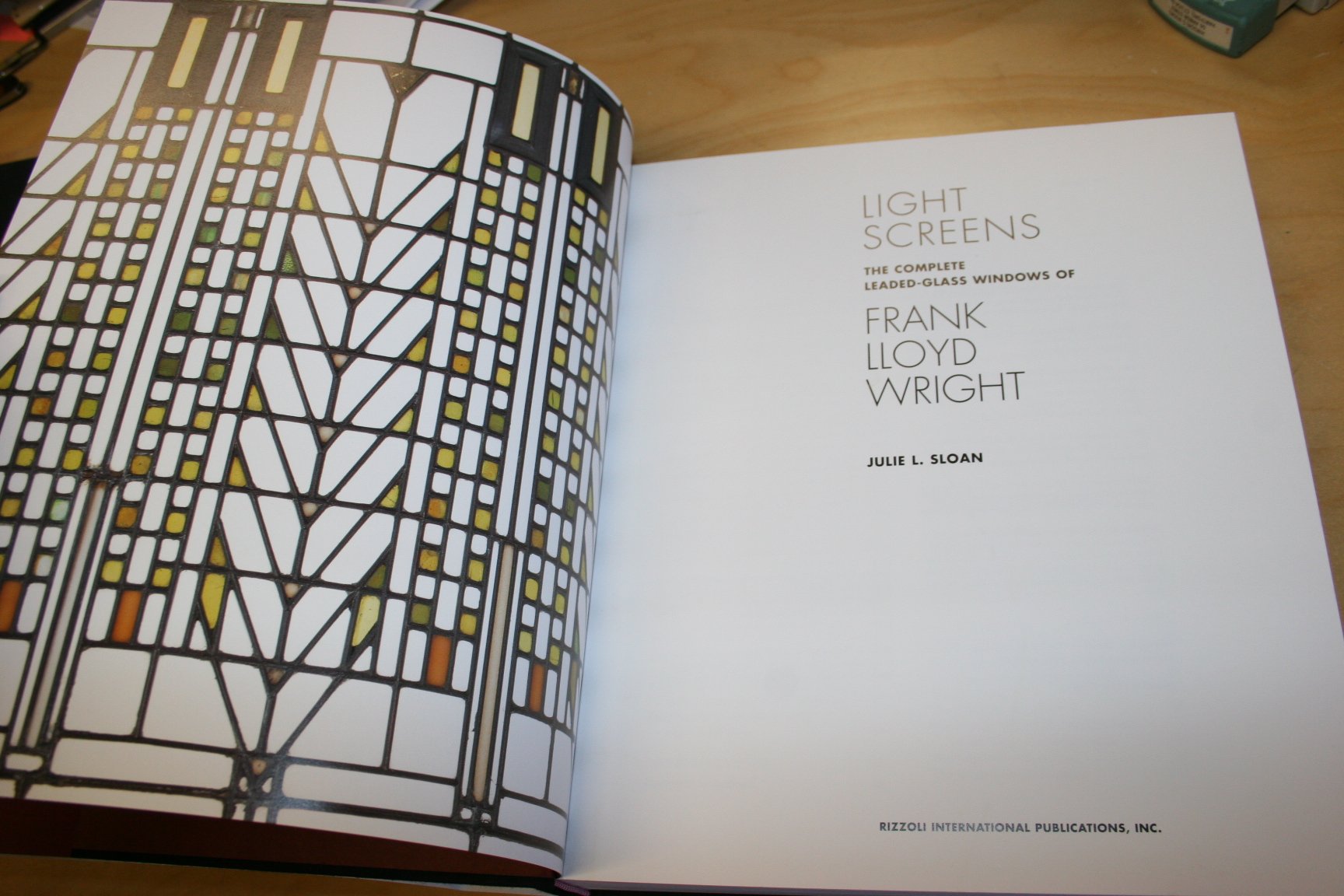
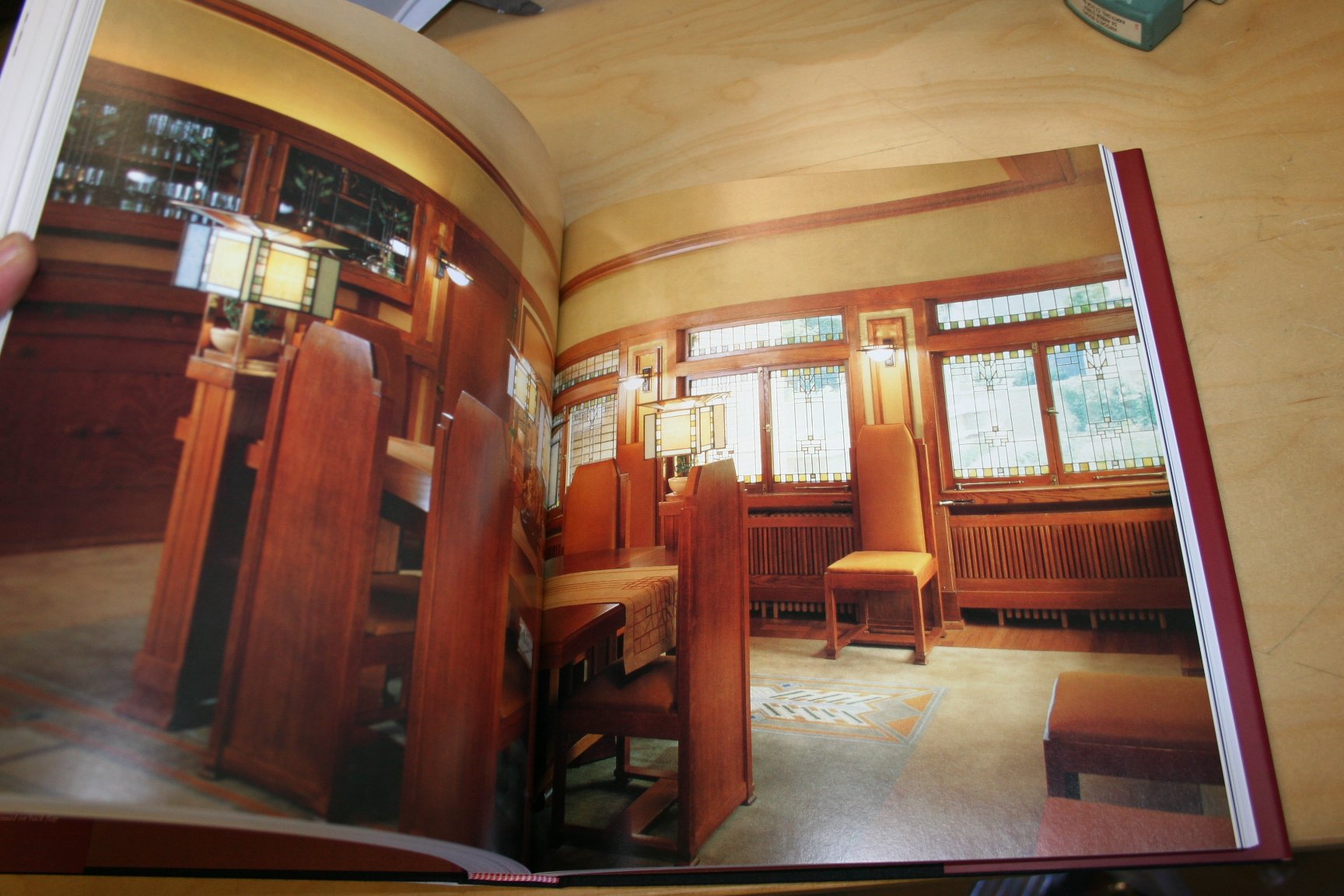
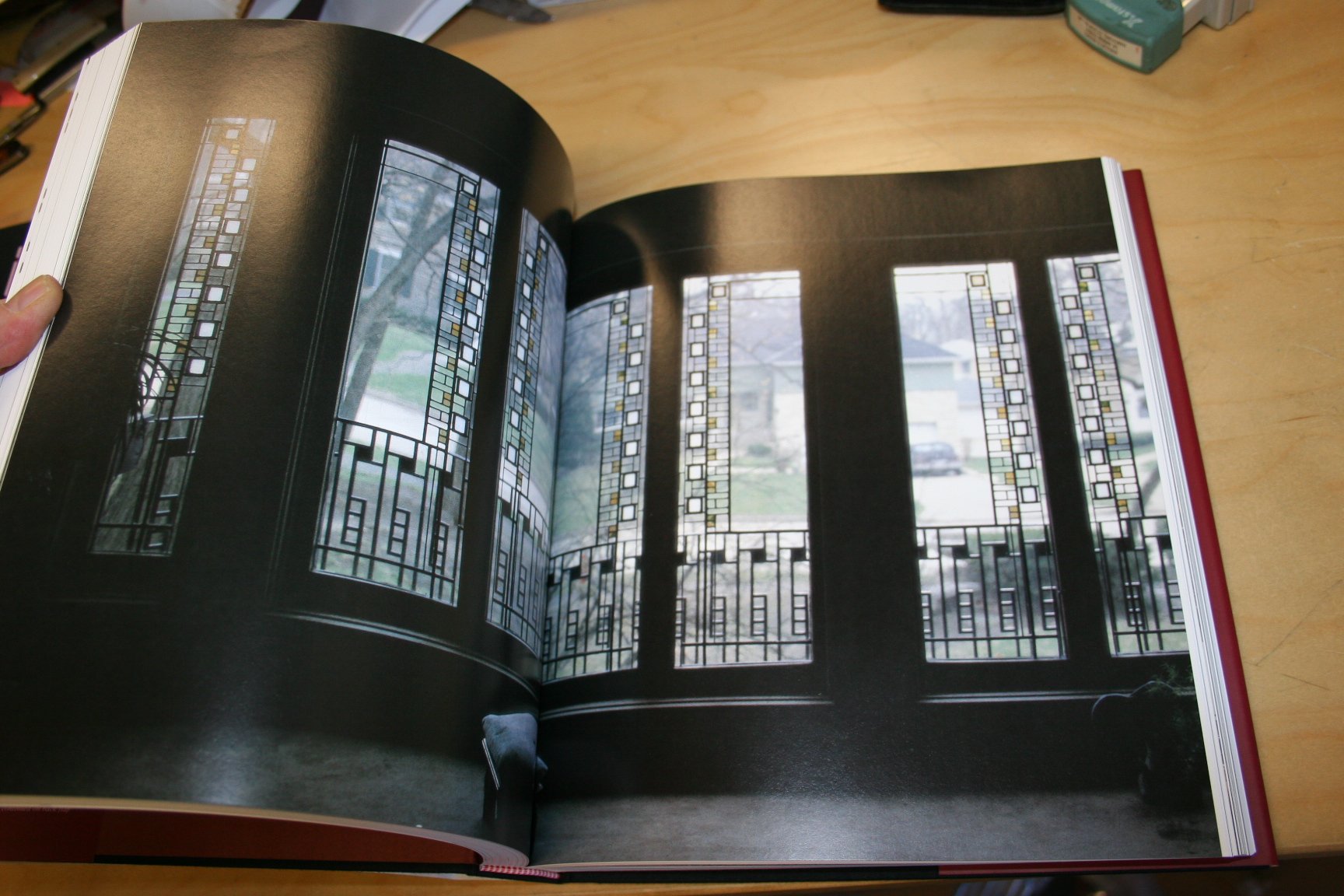
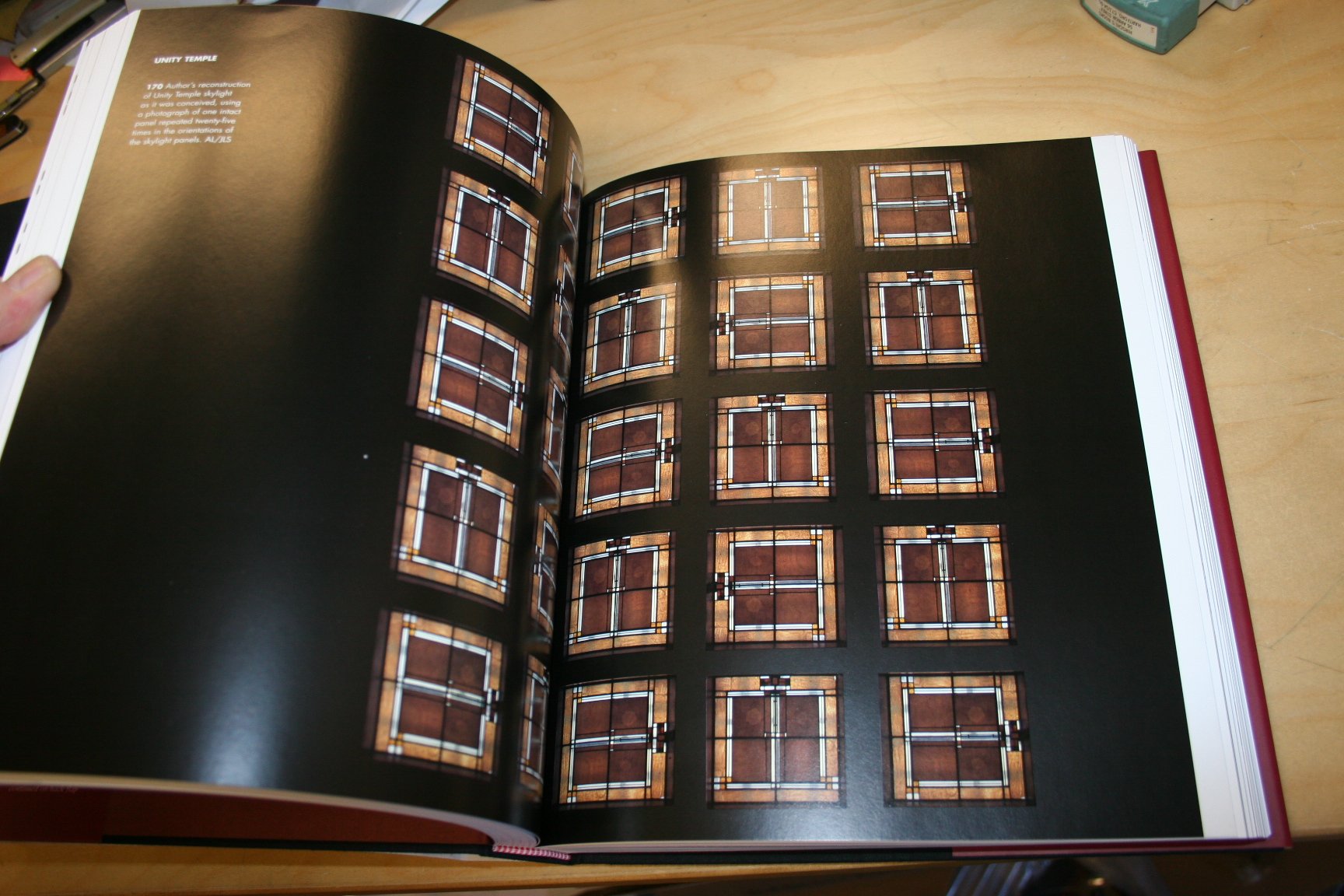
With inexhaustible creativity, Frank Lloyd Wright designed an estimated 4,365 windows for over 160 of his buildings. With this boldly abstract glass, he distanced himself from his contemporaries Louis Comfort Tiffany and John La Farge and invented a fully modern language for ornamental design.Author Julie Sloan identifies three phases in Wright's evolution toward this exciting idiom. For his earliest windows, of 18851898, the master conceived curvilinear Queen Annestyle motifs. In his famed Prairieperiod homes of 19001910, he placed lambent glass of autumnal palette and complex patterns of chevrons and rectangles. Finally, vanguard European art and architecture helped inspire his most joyous and inventive light screens. In his work of 19111923, Wright liberated ornament with his dancing triangles, primary colors, and exuberant asymmetries. In the same years, his windows expanded from the single opening to the casement, the clerestory, and the skylight. These forms and patterns were essential to Wright's revolutionary vision, for they served his unique conception of fluid interior spaces in dynamic dialogue with exterior views.Including illustrations made especially for this book, Sloan shows how Wright, in her words, expanded the frontiers of stained glass in both its use and its design. Light Screens also uncovers the influences on Wright's ornament from Japonisme to Friedrich Froebel's educational exercises and presents invaluable insights on period terms for Wright's glass, on his writings about it, on how glass was made in his time, and on claims for his assistants' authorship of certain designs. A concluding chapter, 'Beyond Leaded Glass, 19231959,' surveys this great architect's lifelong fascination with glazing and his continued exploration of the latest technologies.A companion to this catalogue is Julie L. Sloan, Light Screens: The Complete LeadedGlass Windows of Frank Lloyd Wright. With over 400 illustrations, that volume is the largest gathering of Wright's windows ever published and the first to survey this oeuvre within his architecture.
⚠️ WARNING (California Proposition 65):
This product may contain chemicals known to the State of California to cause cancer, birth defects, or other reproductive harm.
For more information, please visit www.P65Warnings.ca.gov.
- Q: What is the main focus of 'Light Screens: The Leaded Glass of Frank Lloyd Wright'? A: The book primarily focuses on the innovative leaded glass designs created by Frank Lloyd Wright, showcasing his evolution in ornamental design across different periods of his career.
- Q: Who is the author of this book? A: The author of 'Light Screens: The Leaded Glass of Frank Lloyd Wright' is Julie Sloan.
- Q: What kind of illustrations are included in the book? A: The book includes over 400 illustrations, specifically made for this publication, depicting Wright's leaded glass windows and their designs.
- Q: What is the condition of the book? A: The book is listed as a used book in good condition.
- Q: How many pages does the book have? A: The book contains a total of 160 pages.
- Q: When was the book published? A: The book was published on May 18, 2001.
- Q: Is the book hardcover or paperback? A: The book is a hardcover edition.
- Q: What are some themes explored in the book? A: The book explores themes such as Wright's innovative use of glass, influences on his designs, and insights into the technology of glassmaking during his time.
- Q: Does this book cover any of Wright's later works? A: Yes, the book includes a concluding chapter that surveys Wright's interests in glazing from 1923 to 1959.
- Q: Is this book suitable for someone interested in architectural history? A: Yes, the book is suitable for those interested in architectural history, particularly in the context of Frank Lloyd Wright's contributions to design and ornamental glass.