
Title
Lines On The Land: Writers, Art, And The National Parks (Under The Sign Of Nature: Explorations In Environmental Humanities),Used
Sold by Ergodebooks, an authorized reseller.
Returns accepted within 30 days | support@ergodebooks.com
Shipping Information
- Free Standard Shipping — United States only
- Processing Time: 3–5 business days
- Estimated Delivery: 6–10 business days after dispatch
- Double-boxed, fully insured & discreetly packaged
- Tracking number sent via email once dispatched
Returns & Refund
Returns accepted within 30 days of delivery.
Damaged or Defective Item
Free return shipping + replacement or full refund
Wrong Item Received
Free return shipping + replacement or full refund
Change of Mind
Return shipping at customer's expense · 25% restocking fee applies
Payment Option

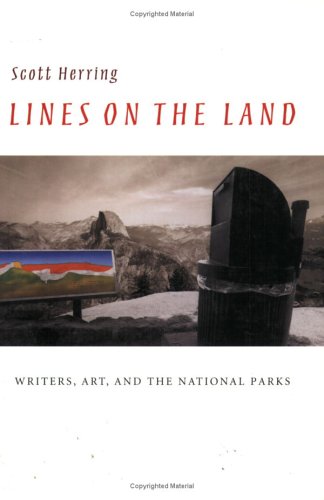
The nineteenthcentury photographer William Henry Jackson once complained of the skepticism with which early descriptions of Yellowstone were met: the place was too wondrous to be believed. The public demanded proof, and a host of artists and writers obliged. These early explorers possessed a vigorous devotion to the young nations wildernessthe naturalist John Muir famously toured the land from Wisconsin to Florida on footand through their work established aesthetic categories that exist to this day. In Lines on the Land, Scott Herring contends that these writers and artists were canon makers, recognizing the national parks as naturally occurring works of art and conferring upon them a cultural prestige: the parks were the splendid focal points of the American landscape.These early, canonizing works are homages to a vast, untouched wilderness. This praise would gradually give way, however, to a distinctly American angerwhat Herring calls 'outraged idealism.' Later generations were faced with a changing culture that had imperfectly absorbed, and even misrepresented, the nationalpark aesthetic. The postwar park was overrun by cars and tourists who could not possibly match the pioneering naturalists profound commitment to and appreciation for their surroundings. The collective tone of the parks chroniclers, as a result, evolved from celebration of awesome beauty to indignation over the perceived corruption of the parks, both as an ideal and as actual physical settings.Herring traces this shift through the work of a wide spectrum of creative minds, from early figures such as Muir and Thomas Moran to later observers of the parks such as Ansel Adams, Sylvia Plath, Edward Abbey, and Rick Bass. The text is punctuated by autobiographical 'interchapters,' in which Herring relates the books chief themes to his own experiences in Yellowstone National Park.
⚠️ WARNING (California Proposition 65):
This product may contain chemicals known to the State of California to cause cancer, birth defects, or other reproductive harm.
For more information, please visit www.P65Warnings.ca.gov.