
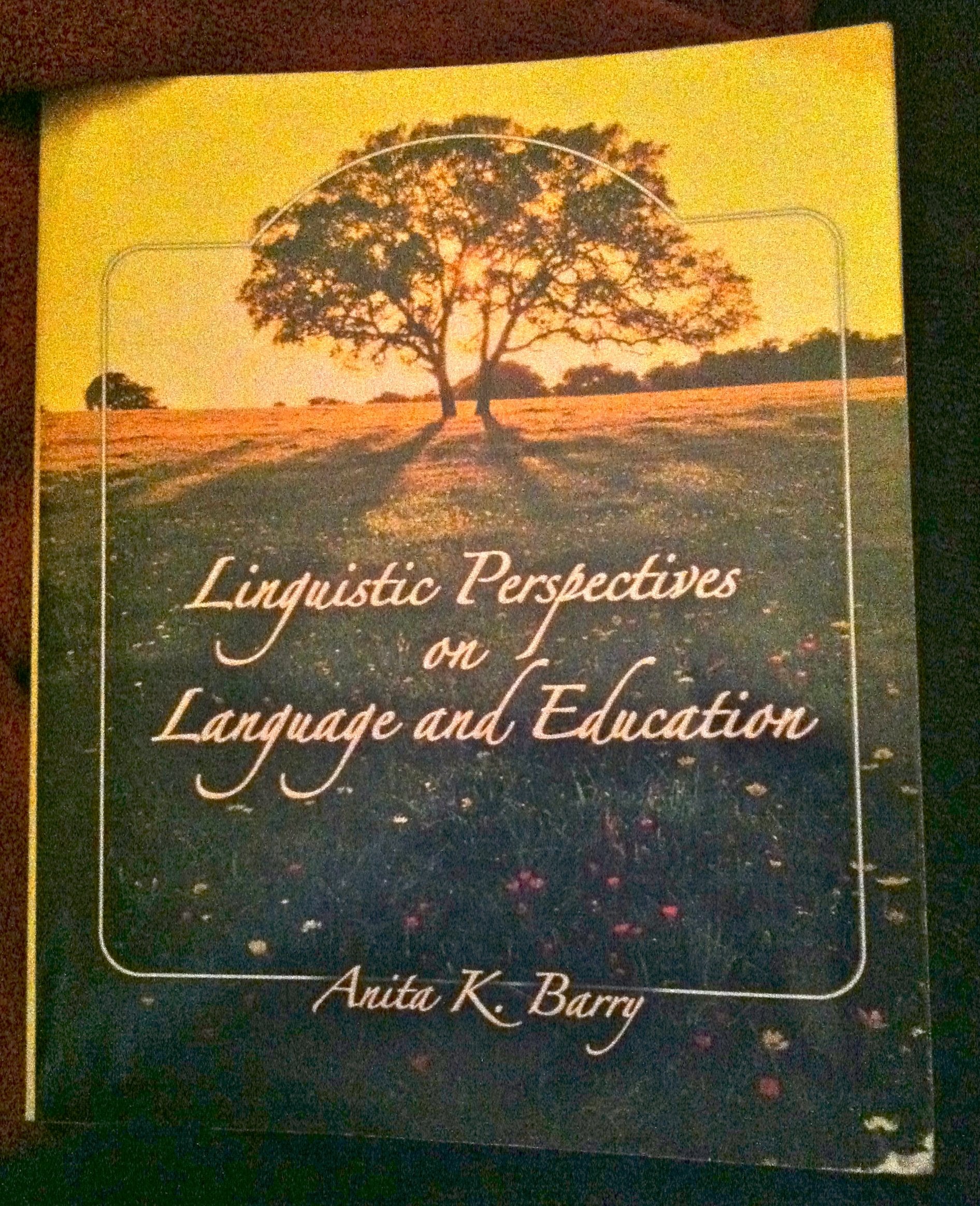
Title


Pearson Linguistic Perspectives on Language and Education - Comprehensive Insights and Analysis
Sold by Ergodebooks, an authorized reseller.
Returns accepted within 30 days | support@ergodebooks.com
Shipping Information
- Free Standard Shipping — United States only
- Processing Time: 3–5 business days
- Estimated Delivery: 6–10 business days after dispatch
- Double-boxed, fully insured & discreetly packaged
- Tracking number sent via email once dispatched
Returns & Refund
Returns accepted within 30 days of delivery.
Damaged or Defective Item
Free return shipping + replacement or full refund
Wrong Item Received
Free return shipping + replacement or full refund
Change of Mind
Return shipping at customer's expense · 25% restocking fee applies
Payment Option

The book titled Linguistics and Literacy Development is an essential resource for educators seeking to understand the intricate relationship between linguistics and literacy. This comprehensive guide is designed to enhance the knowledge of pre-service and in-service teachers, focusing on how various aspects of language development can influence literacy acquisition in the classroom.
This informative text delves into the fundamentals of linguistics, offering teachers crucial insights into the role of morphology, pragmatics, semantics, and syntax in literacy development. It provides a clear framework for educators to effectively integrate language studies into their teaching methodologies, ultimately improving student outcomes.
Key Features:- The book enriches the understanding of language behavior and interactions, providing practical insights for classroom instruction.
- It defines the connections between linguistics and education, emphasizing the impact of language study on all educational aspects.
- Contains eleven distinctive chapters that explore key linguistic concepts and their application in literacy contexts.
- Includes exercises, suggested projects, and further reading at the end of each chapter to reinforce learning and practical application.
- Features a glossary of terms, making it easy for readers to grasp complex linguistic terminology.
- Published by Pearson, a trusted name in educational resources, ensuring quality content.
This book is ideal for teachers, educators, and anyone involved in literacy education who seeks to deepen their understanding of linguistics. By integrating the principles outlined in this book, educators can significantly enhance their teaching strategies, foster better communication in the classroom, and ultimately support their students' literacy development more effectively. This resource is invaluable for those committed to improving educational practices through linguistics.
⚠️ WARNING (California Proposition 65):
This product may contain chemicals known to the State of California to cause cancer, birth defects, or other reproductive harm.
For more information, please visit www.P65Warnings.ca.gov.
- Q: How many pages does this book have? A: This book has two hundred eighty-eight pages. It provides comprehensive insights into linguistics and its role in education.
- Q: What is the binding type of this book? A: The binding type is paperback. This makes it flexible and easy to handle for reading and teaching purposes.
- Q: What are the dimensions of this book? A: The dimensions are seven point four inches in length, zero point seventy-one inches in width, and nine point one inches in height. These measurements make it a convenient size for carrying.
- Q: Who is the author of this book? A: The author is Anita Barry. She provides valuable insights into the intersection of linguistics and education.
- Q: What topics does this book cover? A: This book covers the role of linguistics in literacy development. It includes chapters on morphology, pragmatics, semantics, and syntax.
- Q: What exercises are included in the book? A: Each chapter contains exercises, suggested projects, and further reading. These resources help reinforce the concepts discussed.
- Q: Is this book suitable for new teachers? A: Yes, this book is suitable for new teachers. It is designed to help pre-service and in-service teachers understand language development.
- Q: How can this book help in classroom instruction? A: This book enriches the perception of language behavior and interactions. It informs the approach to effective classroom instruction.
- Q: Does this book have a glossary? A: Yes, there is a glossary of terms at the end of the book. This helps readers understand key concepts in linguistics.
- Q: Can this book be used for self-study? A: Yes, this book is ideal for self-study. It provides clear explanations and exercises to enhance understanding of linguistics.
- Q: What is the main goal of this book? A: The main goal is to define the connections between linguistics and education. It aims to improve literacy development through linguistic understanding.
- Q: Is this book appropriate for advanced students? A: Yes, this book is appropriate for advanced students. It offers in-depth discussions suitable for anyone studying linguistics or education.
- Q: Does the book discuss language acquisition? A: Yes, the book discusses language acquisition. It highlights the importance of understanding language development in educational contexts.
- Q: What makes this book distinctive? A: This book features eleven distinctive chapters on linguistics. Each chapter focuses on different aspects of language and literacy.
- Q: How does this book relate to literacy development? A: This book relates to literacy development by emphasizing the role of linguistics. It explains how language affects all aspects of education.
- Q: Are there any suggested projects in the book? A: Yes, each chapter includes suggested projects. These are designed to encourage practical application of the concepts covered.