
Title


Linux Kernel Development,New
Sold by Ergodebooks, an authorized reseller.
Returns accepted within 30 days | support@ergodebooks.com
Shipping Information
- Free Standard Shipping — United States only
- Processing Time: 3–5 business days
- Estimated Delivery: 6–10 business days after dispatch
- Double-boxed, fully insured & discreetly packaged
- Tracking number sent via email once dispatched
Returns & Refund
Returns accepted within 30 days of delivery.
Damaged or Defective Item
Free return shipping + replacement or full refund
Wrong Item Received
Free return shipping + replacement or full refund
Change of Mind
Return shipping at customer's expense · 25% restocking fee applies
Payment Option

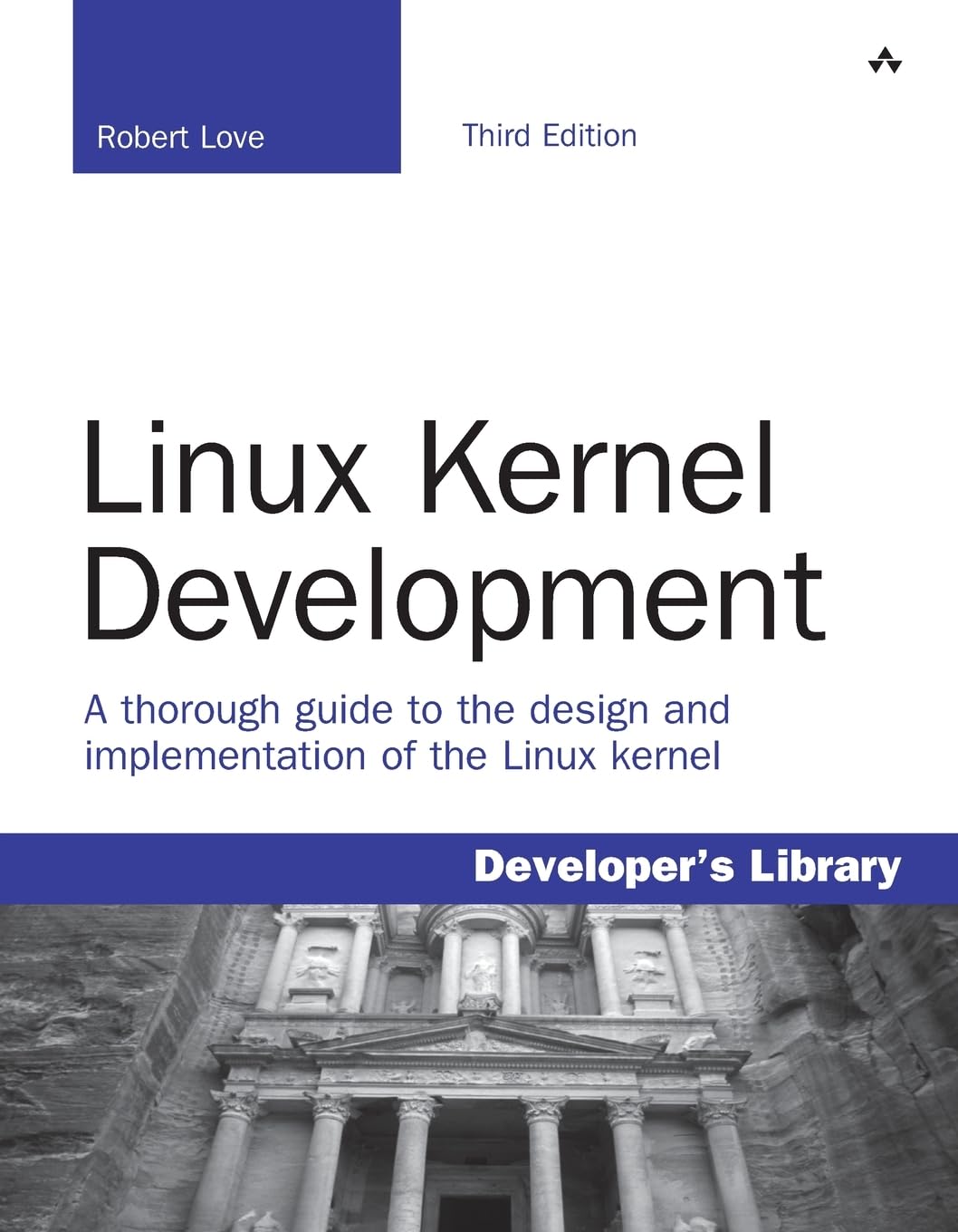
Linux Kernel Development details the design and implementation of the Linux kernel, presenting the content in a manner that is beneficial to those writing and developing kernel code, as well as to programmers seeking to better understand the operating system and become more efficient and productive in their coding.The book details the major subsystems and features of the Linux kernel, including its design, implementation, and interfaces. It covers the Linux kernel with both a practical and theoretical eye, which should appeal to readers with a variety of interests and needs.The author, a core kernel developer, shares valuable knowledge and experience on the 2.6 Linux kernel. Specific topics covered include process management, scheduling, time management and timers, the system call interface, memory addressing, memory management, the page cache, the VFS, kernel synchronization, portability concerns, and debugging techniques. This book covers the most interesting features of the Linux 2.6 kernel, including the CFS scheduler, preemptive kernel, block I/O layer, and I/O schedulers.The third edition of Linux Kernel Development includes new and updated material throughout the book: An allnew chapter on kernel data structures Details on interrupt handlers and bottom halves Extended coverage of virtual memory and memory allocation Tips on debugging the Linux kernel Indepth coverage of kernel synchronization and locking Useful insight into submitting kernel patches and working with the Linux kernel community
⚠️ WARNING (California Proposition 65):
This product may contain chemicals known to the State of California to cause cancer, birth defects, or other reproductive harm.
For more information, please visit www.P65Warnings.ca.gov.
- Q: What is the main focus of 'Linux Kernel Development'? A: 'Linux Kernel Development' primarily focuses on the design and implementation of the Linux kernel, offering insights beneficial for both kernel developers and programmers seeking to enhance their understanding of the operating system.
- Q: Who is the author of this book? A: The book is authored by Robert Love, a core kernel developer with extensive knowledge and experience in Linux kernel development.
- Q: What topics are covered in the book? A: The book covers a range of topics including process management, scheduling, memory management, system call interfaces, debugging techniques, and kernel synchronization, among others.
- Q: Is this book suitable for beginners? A: While the book provides fundamental concepts, it is best suited for those with some prior knowledge of programming and operating systems, as it delves into complex kernel development topics.
- Q: What edition is 'Linux Kernel Development'? A: 'Linux Kernel Development' is currently in its third edition, which includes updated material and new chapters on kernel data structures and virtual memory.
- Q: What is the binding type of this book? A: The book is available in paperback binding, making it easy to handle and read.
- Q: How many pages does the book have? A: The book contains a total of 480 pages.
- Q: When was this book published? A: The book was published on June 22, 2010.
- Q: What material is the book made of? A: The book is printed on plastic material, ensuring durability and longevity.
- Q: Can this book help in debugging the Linux kernel? A: Yes, the book provides valuable tips and insights into debugging the Linux kernel, making it a useful resource for developers facing such challenges.