
Title
Literati And Selfre/Presentation: Autobiographical Sensibility In The Eighteenthcentury Chinese Novel,Used
Sold by Ergodebooks, an authorized reseller.
Returns accepted within 30 days | support@ergodebooks.com
Shipping Information
- Free Standard Shipping — United States only
- Processing Time: 3–5 business days
- Estimated Delivery: 6–10 business days after dispatch
- Double-boxed, fully insured & discreetly packaged
- Tracking number sent via email once dispatched
Returns & Refund
Returns accepted within 30 days of delivery.
Damaged or Defective Item
Free return shipping + replacement or full refund
Wrong Item Received
Free return shipping + replacement or full refund
Change of Mind
Return shipping at customer's expense · 25% restocking fee applies
Payment Option

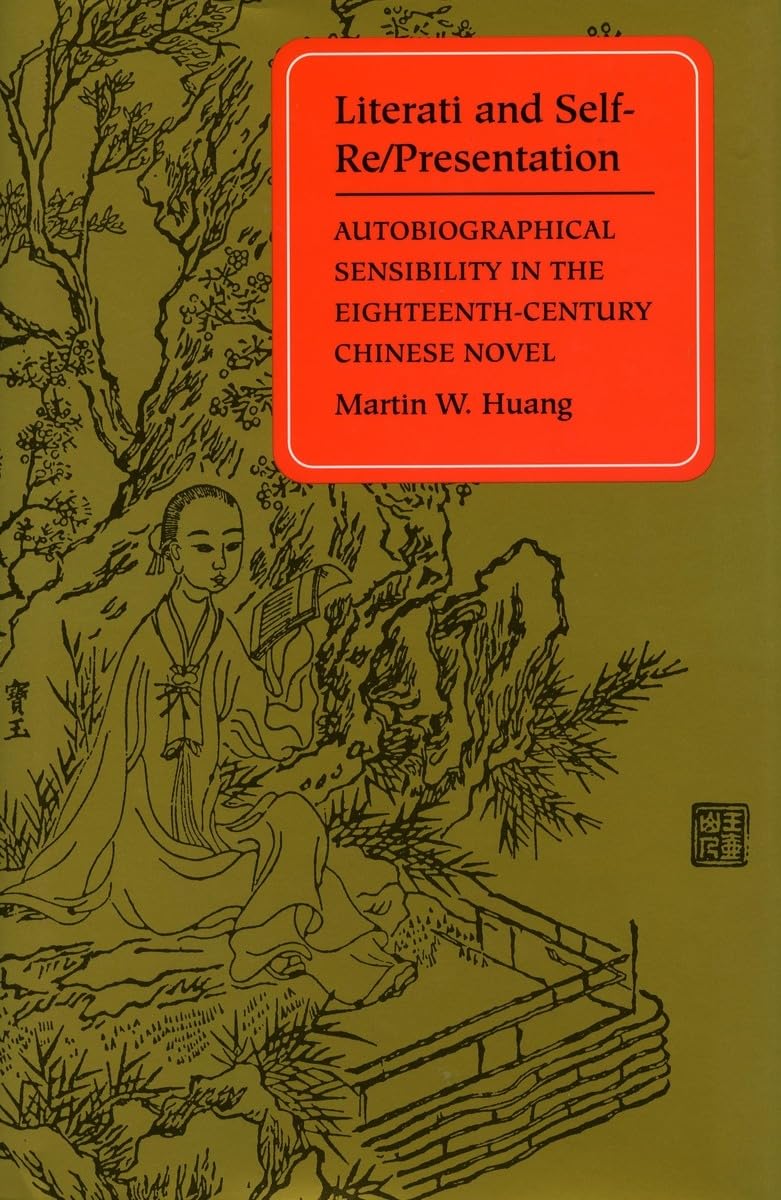
This study of the Chinese novel in the eighteenth century, arguably one of the greatest periods of the genre, focuses on the autobiographical features of three important works: The Dream of the Red Chamber, or The Story of the Stone (Honglou meng), The Scholars (Rulin waishi), and the relatively neglected The Humble Words of an Old Rustic (Yesou puyan).The author seeks for answers to the question of why the Chinese novel was becoming increasingly autobiographical during the eighteenth century, even as explicitly autobiographical writing was in a decline. He suggests that several new trends in the development of the genre (such as the accelerated 'literatization' process) and the changing status of literati contributed to the rise of this new feature of the novel. As officeholding became increasingly unavailable to many literati, new roles and new identities that allowed them to retain a claim to membership in the elite had to be found. The novel, with its ability to distance an author from himself, facilitated the exploration of alternative roles and identities.Through close readings of the three texts, the author examines various autobiographical strategies employed by the authors, among which 'masking as other'How the authorial self is re/presented as an other stands out as the most significant. The book links the authors' obsession with masks both to an increasingly ambiguous sense of selfidentity experienced by many literati and to the larger issue of literati selfrepresentation. Throughout, the readings do not confine themselves to purely literary matters; they also analyze the three works as a complex artifact typical of literati 'self' culture and situate them in the larger intellectual history of the period.
⚠️ WARNING (California Proposition 65):
This product may contain chemicals known to the State of California to cause cancer, birth defects, or other reproductive harm.
For more information, please visit www.P65Warnings.ca.gov.