If you have any questions, you are always welcome to contact us. We'll get back to you as soon as possible, withing 24 hours on weekdays.
Customer service
All questions about your order, return and delivery must be sent to our customer service team by e-mail at yourstore@yourdomain.com
Sale & Press
If you are interested in selling our products, need more information about our brand or wish to make a collaboration, please contact us at press@yourdomain.com
Help
If you have any questions, you are always welcome to contact us. We'll get back to you as soon as possible, withing 24 hours on weekdays.
Customer service
All questions about your order, return and delivery must be sent to our customer service team by e-mail at yourstore@yourdomain.com
Sale & Press
If you are interested in selling our products, need more information about our brand or wish to make a collaboration, please contact us at press@yourdomain.com
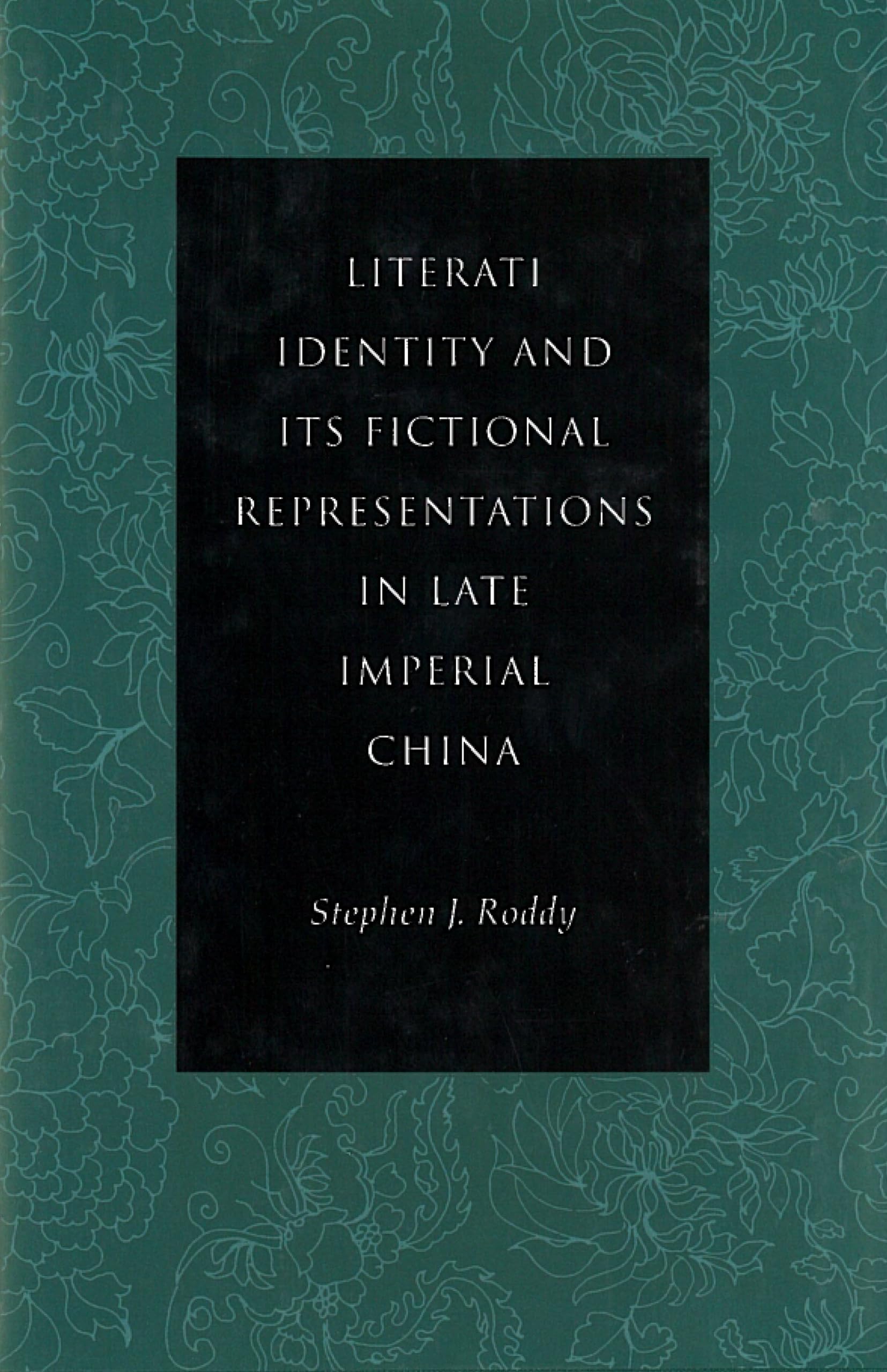
This book is a study of the intellectual and literary factors that in the midQing dynasty contributed to the development of vernacular fiction of unprecedented scholarly and satirical sophistication. The author examines three works of vernacular fictionRulin waishi (ca. 1750), Yesou puyan (ca. 1780), and Jinghua yuan (1821/1828)for their articulation of new perceptions of the literati, or Confucian scholargentry. He places the reevaluation of literati roles and privilege found in these novels within the context of scholarly and cultural developments, notably the ascendance of the philological or evidential studies movement of the Qianlong and Jiaqing periods (17361820).The author cites a broad range of contemporary discursive writings to corroborate evidence of a clearly discernible trend to modify or negate the ethical and epistemological certainties that had long served as the ideological basis of literati social eminence. These writings implicitly redefined the tasks and interests by which the literati constructed their selfidentity. The widespread predilection of these various discourses toward intellectualizing literati identity is in turn brought to bear on the three texts of vernacular fiction. By reading vernacular fiction, scholarly and exegetical texts, and aesthetic treatises as parallel if not wholly identical aims to redefine literati identity, the book attempts to advance our understanding of the intersections and overlaps between literary and discursive practices of late traditional China.
⚠️ WARNING (California Proposition 65):
This product may contain chemicals known to the State of California to cause cancer,
birth defects, or other reproductive harm.
For MAP (Minimum Advertised Price) violations and Intellectual Property (IP) or Trademark concerns, please contact:
support@ergodebooks.com
⚠️ California Proposition 65 Warning: Some products sold on this website may expose you to chemicals known to the State of California to cause cancer, birth defects, or other reproductive harm. For more information, visit www.P65Warnings.ca.gov.