
Title
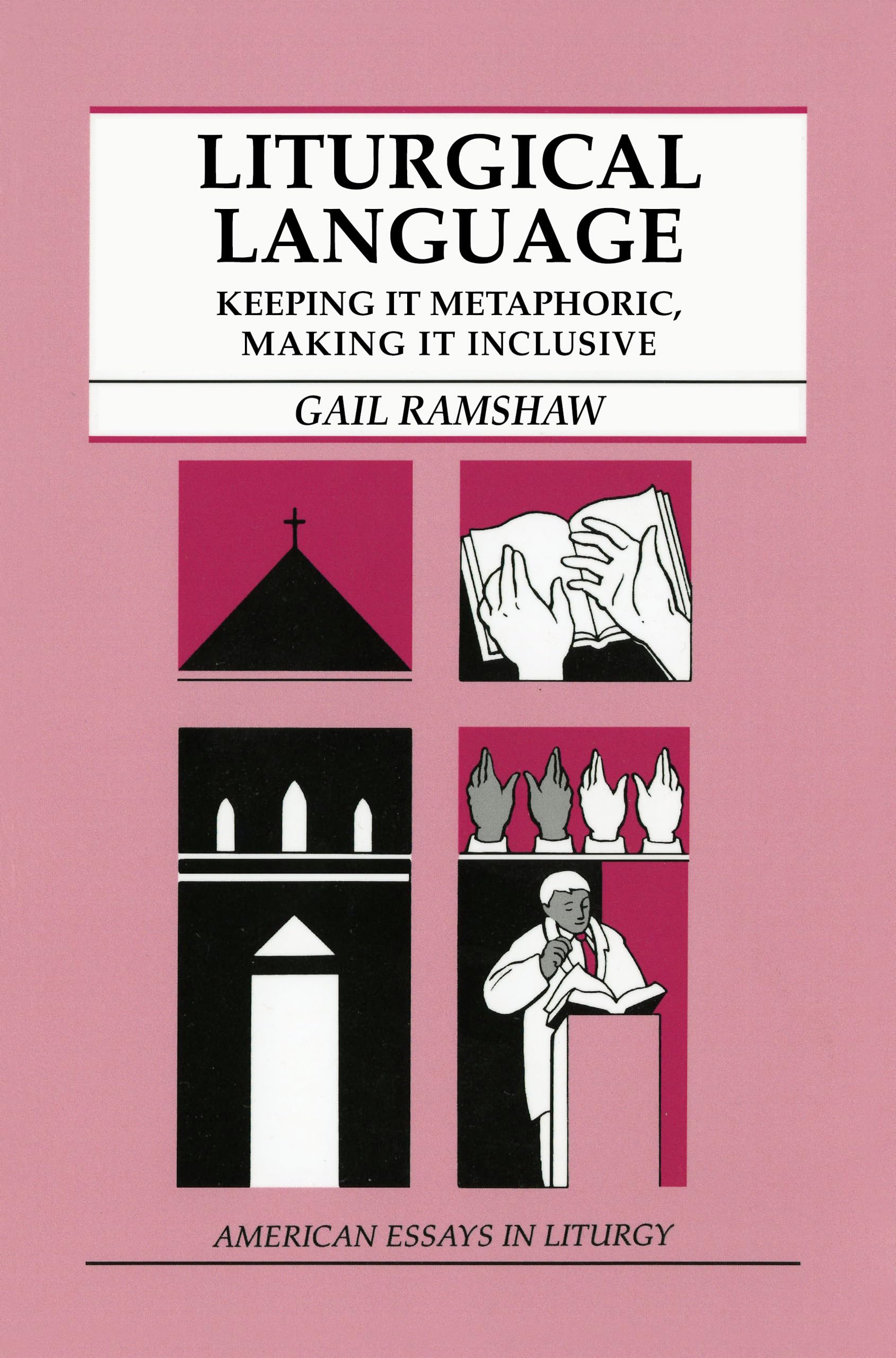
Liturgical Language: Keeping It Metaphoric, Making It Inclusive (American Essays In Liturgy),Used
Sold by Ergodebooks, an authorized reseller.
Returns accepted within 30 days | support@ergodebooks.com
Shipping Information
- Free Standard Shipping — United States only
- Processing Time: 3–5 business days
- Estimated Delivery: 6–10 business days after dispatch
- Double-boxed, fully insured & discreetly packaged
- Tracking number sent via email once dispatched
Returns & Refund
Returns accepted within 30 days of delivery.
Damaged or Defective Item
Free return shipping + replacement or full refund
Wrong Item Received
Free return shipping + replacement or full refund
Change of Mind
Return shipping at customer's expense · 25% restocking fee applies
Payment Option

Liturgical language' denotes those words used by Christians in their communal praise and prayer. Liturgical language is often metaphoric, as metaphors help us explain the unexplainable they help the human mind contemplate the divine. Problems with liturgical language occur when these metaphors exclude some Christians when their aim should instead be to bring all Christians into communion with God. Recognizing that both metaphoric and inclusive language are necessary in Christian worship, Ramshaw clarifies how these need not be contradictory criteria for forming liturgical language.Through a review of the history of language, Ramshaw illustrates the difficulties of forming texts from words that have undergone numerous translations and whose primary meanings have also changed throughout the centuries. An examination of trends in generic American English, the vernacular on which liturgical texts are to be built, reveals two tasks for liturgists: the arduous work of retranslating liturgical texts and the creative work of crafting intercessions, hymns, and homilies that are inclusive in language. Her discussion of symbolic imagery and theological language illustrates how essential it is that words be evaluated and chosen with understanding and care.Ramshaw writes for those who find beauty and truth in metaphor and for those who strive to invite everyone to the Eucharistic banquet. She encourages all who formulate liturgical language to contemplate with seriousness and Vision the ultimate objective of this language so that it can speak with meaning and beauty to all.
⚠️ WARNING (California Proposition 65):
This product may contain chemicals known to the State of California to cause cancer, birth defects, or other reproductive harm.
For more information, please visit www.P65Warnings.ca.gov.