
Title
Livebearers: Understanding Guppies, Mollies, Swordtails And Others (Fish Keeping Made Easy),Used
Sold by Ergodebooks, an authorized reseller.
Returns accepted within 30 days | support@ergodebooks.com
Shipping Information
- Free Standard Shipping — United States only
- Processing Time: 3–5 business days
- Estimated Delivery: 6–10 business days after dispatch
- Double-boxed, fully insured & discreetly packaged
- Tracking number sent via email once dispatched
Returns & Refund
Returns accepted within 30 days of delivery.
Damaged or Defective Item
Free return shipping + replacement or full refund
Wrong Item Received
Free return shipping + replacement or full refund
Change of Mind
Return shipping at customer's expense · 25% restocking fee applies
Payment Option

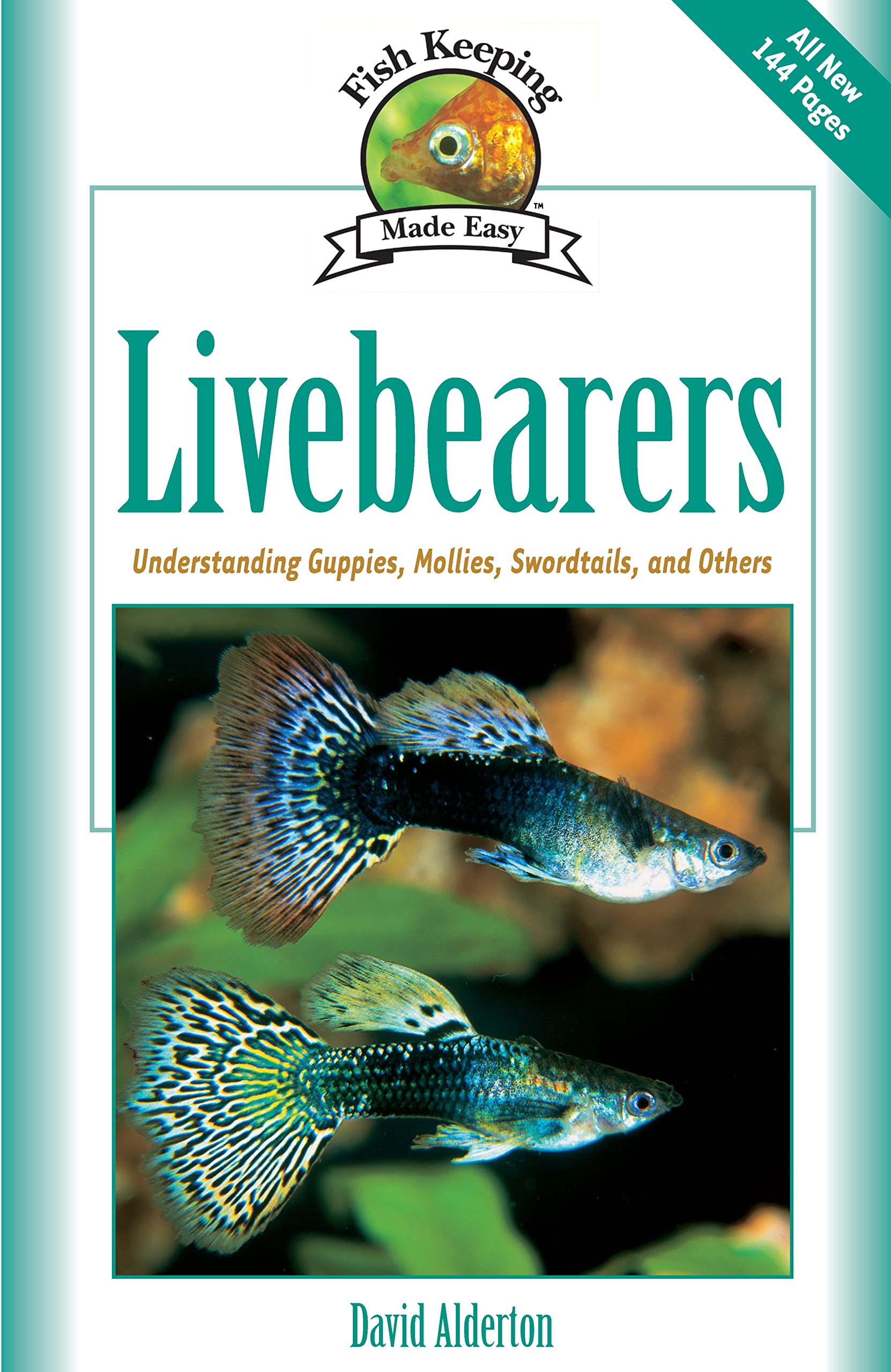
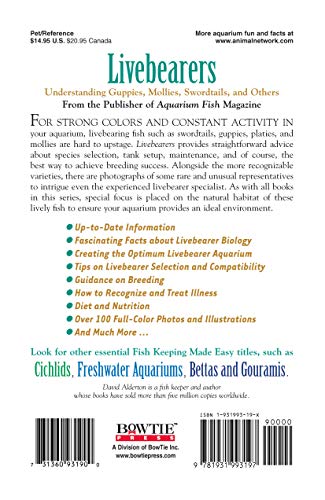
Livebearers Focuses On Four Families Of Fish Which Contain Many Of The Most Attractive And Popular Species In The Tropical Fish Hobby Today, Including Guppies, Mollies, Swordtails, And Platies. The Families Include Goodeidae (Mexican Livebearers), Anablepidae (Foureyes And Others), Poeciliidae (Guppies And Others); And Hemirhamphidae (Halfbeaks). Author David Alderton Explains That Hobbyists Have Applied The Term Livebearer To These Four Families For Convenience Even Though There Are Fourteen Families In The Wild That Reproduce By Bearing Live Young. The Chapter Where In The World? Focuses On The Natural History Of These Families, Their Distribution, And Lifestyles. Hobbyists Looking To Begin An Aquarium Of Livebearers Or To Expand Their Existing Communities Will Find Useful Information In The Chapter Called The Different Groups, In Which Alderton Discusses Age Considerations, Health Matters, And Sex. The Chapter Also Describes The Four Families And The Most Common Genus/Species Of Each. Included Are Sixteen Representatives Of The Family Goodeidae (E.G., Allodontichth, Characodon, And Skiffia), Three Genus Of The Family Anablepidae (Anableps, Jenynsia, And Oxyzgonectes), Twentysix Representatives Of The Family Poeciliidae (E.G., Belonesox, Fiexipenis, And Limia); And Three Genus Of The Family Hemirhamphidae (Dermogenys, Hemirhamphodon, And Namorhamphus).This Colorful, Userfriendly Guide Offers Basic Information On The Anatomical Characteristics, Housing Options, Required Aquarium Equipment For Livebearers As Well As Their Feeding Habits And Food Requirements (Greenstuff, Carotenerich Foods, Live Foods, Meat, Etc.). The Breeding Habits Of Livebearers Have Ensured Their Popularity With Hobbyists, And The Chapter On Reproduction Describes The Various Breeding Habits Of Livebearers And Outlines Successful Breeding Strategies For Interested Hobbyists. In The Chapter On Health Care, The Author Offers Solid Advice About Caring For Livebearers To Maximize Their Lifespan In Captivity, Which Is Typically Only A Few Years. He Also Gives Information On Signs Of Illness And Some Basic Diseases That Can Be Treated By The Fish Keeper.The Final Chapter Offers Photographs And Distribution Maps For Sixteen Popular Livebearers Of All Four Families, Including Information On Size, Physical Description, Natural Habitat And Behavior, And Required Aquarium Conditions. The Authors Livebearer Hit Parade Includes The Butterfly Goodeid, Rainbow Goodeid, Blackfinned Goodea, Foureyed Fish, Guppy (Millions Fish), Black Molly, Sailfin Molly, Swordtail, Platy (Moonfish), Mosquito Fish (Dwarf And Large), Humpbacked (Blackbarred) Limia, Blackbellied Limia, Pike Livebearer (Piketop Minnow), Knife (Alfaros) Livebearer, And Wrestling Halfbeak. Resources, Glossary, And Index Included.
⚠️ WARNING (California Proposition 65):
This product may contain chemicals known to the State of California to cause cancer, birth defects, or other reproductive harm.
For more information, please visit www.P65Warnings.ca.gov.