
Title
Living Apart
Sold by Ergodebooks, an authorized reseller.
Returns accepted within 30 days | support@ergodebooks.com
Shipping Information
- Free Standard Shipping — United States only
- Processing Time: 3–5 business days
- Estimated Delivery: 6–10 business days after dispatch
- Double-boxed, fully insured & discreetly packaged
- Tracking number sent via email once dispatched
Returns & Refund
Returns accepted within 30 days of delivery.
Damaged or Defective Item
Free return shipping + replacement or full refund
Wrong Item Received
Free return shipping + replacement or full refund
Change of Mind
Return shipping at customer's expense · 25% restocking fee applies
Payment Option

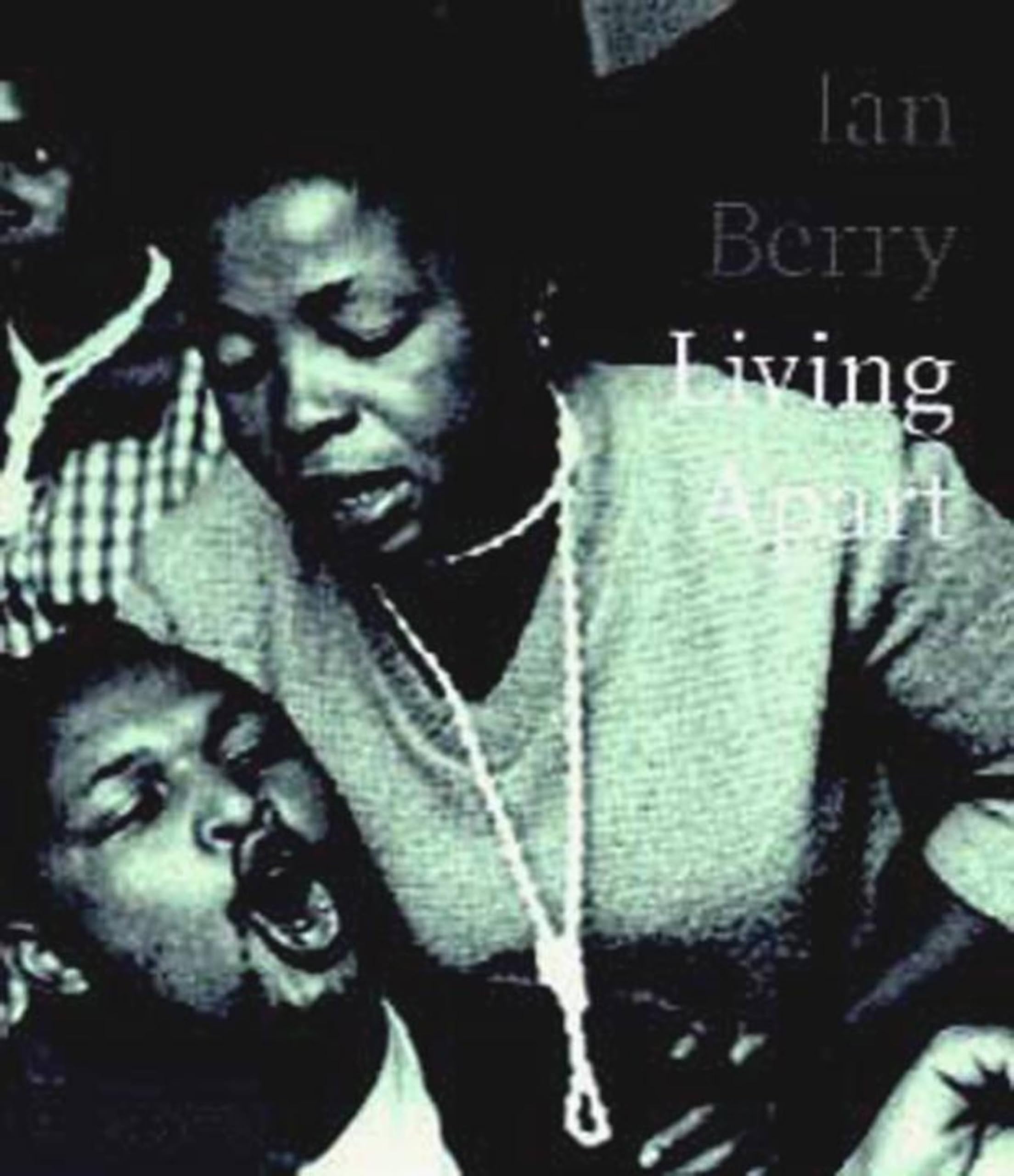
In The Postwar Period, The South African Government Gradually Developed A Policy That Was Meant To Retain Forever The Rights And Privileges Of A White Minority: Apartheid. Racial Prejudices And Tensions May Create Difficulties In Many Societies, But Only In South Africa Was Segregation Actually Institutionalized And Regulated.The Results Were Tragic And Disturbing. This Aspect Of The South African History, The 'Duty' To 'Live Apart' While Occupying The Same Space, Has Been Uniquely Recorded By The Camera Of Ian Berry. He First Set Out For South Africa As A Boy Of 17 And Thus Began An Incredible Career Of Recording Ordinary Lives In Extraordinary Circumstances. Present At The Sharpeville Riots In 1960, Berry Has Returned To South Africa Many Times During The Course Of The Succeeding Decades To Capture Many Of Its Most Significant Moments, Including The Historical Election Of Nelson Mandela And Its Remarkable Aftermath.
⚠️ WARNING (California Proposition 65):
This product may contain chemicals known to the State of California to cause cancer, birth defects, or other reproductive harm.
For more information, please visit www.P65Warnings.ca.gov.
- Q: What is the binding type of 'Living Apart'? A: The binding type is hardcover. This durable binding enhances the longevity of the book, making it suitable for repeated use.
- Q: How many pages does 'Living Apart' have? A: This book contains two hundred fifty-six pages. It provides an in-depth exploration of apartheid in South Africa through photography.
- Q: What are the dimensions of 'Living Apart'? A: The dimensions are ten point twenty-five inches in length, one point fourteen inches in width, and eleven point seventy-five inches in height. These measurements make it a substantial coffee table book.
- Q: Who is the author of 'Living Apart'? A: The author is Ian Berry. He is renowned for his impactful photography documenting South African history.
- Q: What genre does 'Living Apart' belong to? A: The book falls under the category of Equipment, Techniques & Reference. It combines the art of photography with historical documentation.
- Q: Is 'Living Apart' suitable for all ages? A: Yes, it is suitable for a wide range of ages. However, the themes of apartheid may require adult guidance for younger readers.
- Q: How can I use 'Living Apart' effectively? A: You can use it as a visual reference or educational resource. It’s ideal for discussions on history and social justice.
- Q: Is 'Living Apart' good for academic study? A: Yes, it is excellent for academic study. The book provides valuable insights and historical context regarding apartheid.
- Q: How should I store 'Living Apart' to keep it in good condition? A: Store it upright in a cool, dry place. This helps prevent warping or damage to the hardcover.
- Q: What is the best way to clean 'Living Apart'? A: Use a soft, dry cloth to wipe the cover. Avoid using water or cleaning solutions to prevent damage.
- Q: Can I return 'Living Apart' if I'm not satisfied? A: Yes, you can return it within a specified period if you're not satisfied. Check the retailer’s return policy for details.
- Q: What if 'Living Apart' arrives damaged? A: If it arrives damaged, you should contact customer support for a replacement or refund. Document any damage with photos.
- Q: Is there a warranty for 'Living Apart'? A: No, there is no warranty for books like 'Living Apart'. However, check the seller's return policy for potential options.
- Q: How does 'Living Apart' compare to other photography books on apartheid? A: This book offers a unique perspective through Ian Berry's personal experiences, setting it apart from other titles.
- Q: Is 'Living Apart' appropriate for a photography enthusiast? A: Yes, it is very appropriate for photography enthusiasts. The book showcases powerful imagery from a critical historical period.
- Q: What themes does 'Living Apart' explore? A: The book explores themes of racial segregation, identity, and the human experience during apartheid in South Africa.