If you have any questions, you are always welcome to contact us. We'll get back to you as soon as possible, withing 24 hours on weekdays.
Customer service
All questions about your order, return and delivery must be sent to our customer service team by e-mail at yourstore@yourdomain.com
Sale & Press
If you are interested in selling our products, need more information about our brand or wish to make a collaboration, please contact us at press@yourdomain.com
Help
If you have any questions, you are always welcome to contact us. We'll get back to you as soon as possible, withing 24 hours on weekdays.
Customer service
All questions about your order, return and delivery must be sent to our customer service team by e-mail at yourstore@yourdomain.com
Sale & Press
If you are interested in selling our products, need more information about our brand or wish to make a collaboration, please contact us at press@yourdomain.com
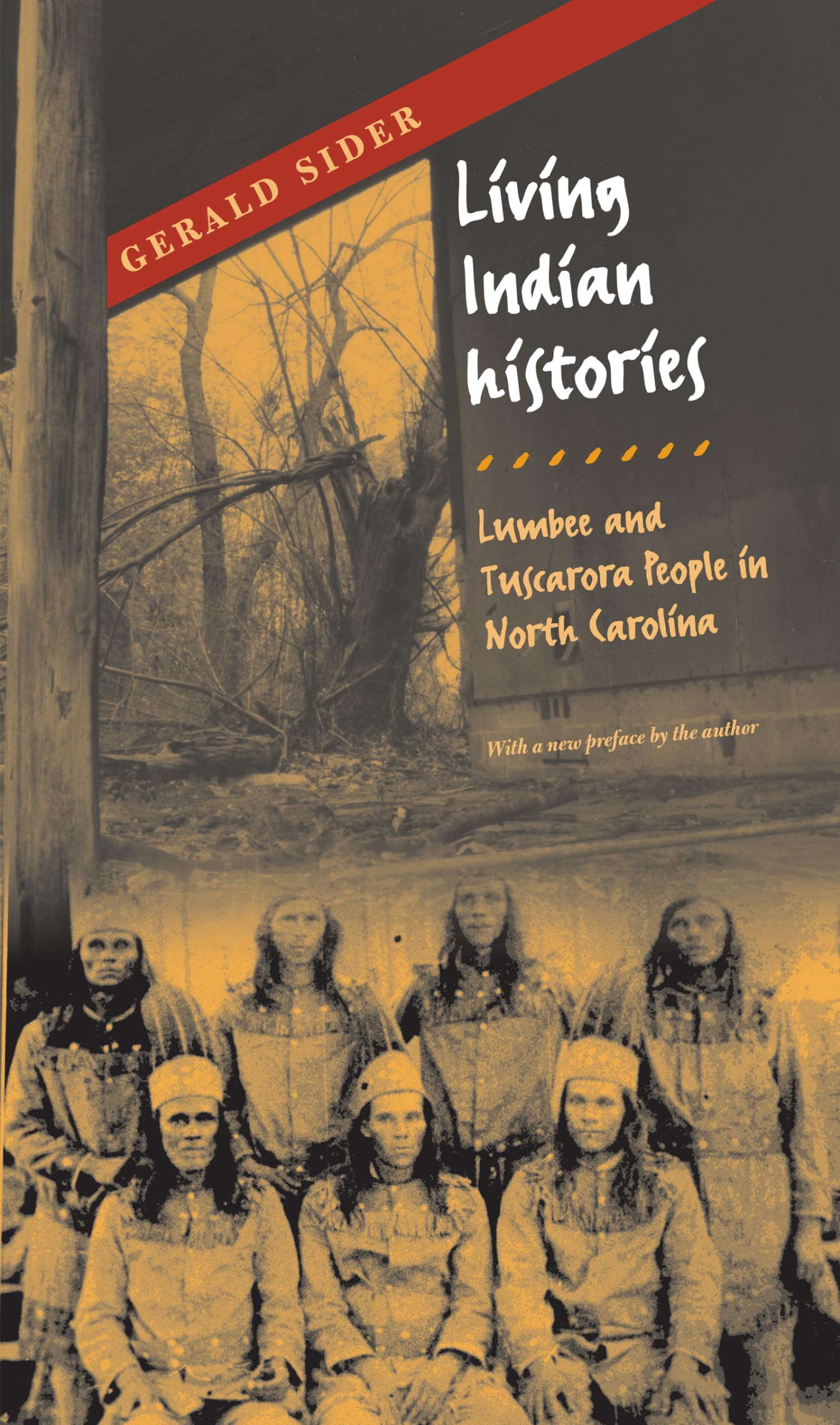
With more than 40,000 registered members, the Lumbee Indians are the ninth largest tribe in the country and the largest east of the Mississippi River. Despite the tribe's size, the Lumbee lack full federal recognition and their history has been marked by a struggle to articulate an Indian identity against the imposition of nonnative definitions of Indianness. Gerald Sider explores the complexities of Lumbee tribal identity, focusing on the tribe's socioeconomic and political history from the 1960s through the 1980s and working back to the colonial roots of present issues and questions, including the relationship between the Lumbee and Tuscarora people of Robeson County, North Carolina.In an extensive preface to this new edition, Sider carries the story forward from the 1980s to the present. Today, both the Lumbee and the reinvigorated Tuscarora are witnessing a major cultural resurgence. At the same time, they are becoming much more dependent upon government programs for their wellbeing, and socioeconomic inequality among native people is deepening. This new edition explores changing patterns of daily life for native people, their changing relations to social and governmental institutions, and the new tribal institutions that are taking shape in the face of current challenges.An earlier edition of this book was published in 1993 with the title Lumbee Indian Histories: Race, Ethnicity, and Indian Identity in the Southern United States.
⚠️ WARNING (California Proposition 65):
This product may contain chemicals known to the State of California to cause cancer,
birth defects, or other reproductive harm.
For MAP (Minimum Advertised Price) violations and Intellectual Property (IP) or Trademark concerns, please contact:
support@ergodebooks.com
⚠️ California Proposition 65 Warning: Some products sold on this website may expose you to chemicals known to the State of California to cause cancer, birth defects, or other reproductive harm. For more information, visit www.P65Warnings.ca.gov.