
Title
Living on Campus: An Architectural History of the American Dormitory,Used
Sold by Ergodebooks, an authorized reseller.
Returns accepted within 30 days | support@ergodebooks.com
Shipping Information
- Free Standard Shipping — United States only
- Processing Time: 3–5 business days
- Estimated Delivery: 6–10 business days after dispatch
- Double-boxed, fully insured & discreetly packaged
- Tracking number sent via email once dispatched
Returns & Refund
Returns accepted within 30 days of delivery.
Damaged or Defective Item
Free return shipping + replacement or full refund
Wrong Item Received
Free return shipping + replacement or full refund
Change of Mind
Return shipping at customer's expense · 25% restocking fee applies
Payment Option

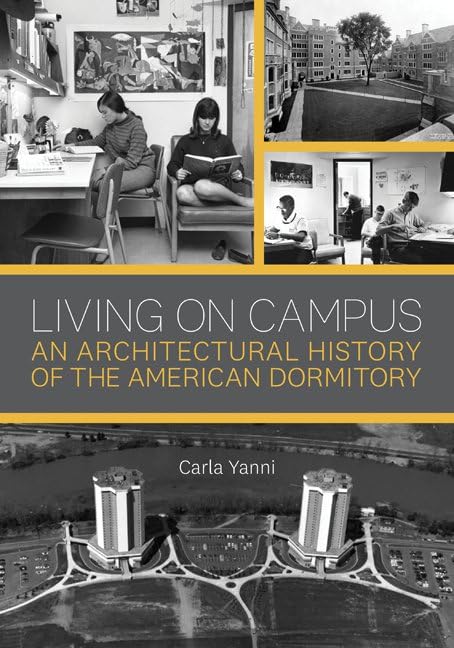
An exploration of the architecture of dormitories that exposes deeply held American beliefs about education, youth, and citizenshipEvery fall on movein day, parents tearfully bid farewell to their beloved sons and daughters at college dormitories: it is an ageold ritual. The residence hall has come to mark the threshold between childhood and adulthood, housing young people during a transformational time in their lives. Whether a Gothic stone pile, a quaint Colonial box, or a concrete slab, the dormitory is decidedly unhomelike, yet it takes center stage in the dramatic arc of many American families. This richly illustrated book examines the architecture of dormitories in the United States from the eighteenth century to 1968, asking fundamental questions: Why have American educators believed for so long that housing students is essential to educating them? And how has architecture validated that idea? Living on Campus is the first architectural history of this critical building type.Grounded in extensive archival research, Carla Yannis study highlights the opinions of architects, professors, and deans, and also includes the voices of students. For centuries, academic leaders in the United States asserted that oncampus living enhanced the moral character of youth; that somewhat dubious claim nonetheless influenced the design and planning of these ubiquitous yet often overlooked campus buildings. Through nuanced architectural analysis and detailed social history, Yanni offers unexpected glimpses into the past: doubleloaded corridors (which made surveillance easy but echoed with noise), staircase plans (which prevented roughhousing but offered no communal space), lavish lounges in womens halls (intended to civilize male visitors), specially designed upholstered benches for courting couples, mixedgender saunas for students in the radical 1960s, and lazy rivers for the twentyfirst centurys stressedout undergraduates.Against the backdrop of sweeping societal changes, communal living endured because it bolstered networking, if not studying. Housing policies often enabled discrimination according to class, race, and gender, despite the fact that deans envisioned the residence hall as a democratic alternative to the elitist fraternity. Yanni focuses on the dormitory as a place of exclusion as much as a site of fellowship, and considers the uncertain future of residence halls in the age of distance learning.
⚠️ WARNING (California Proposition 65):
This product may contain chemicals known to the State of California to cause cancer, birth defects, or other reproductive harm.
For more information, please visit www.P65Warnings.ca.gov.