
Title
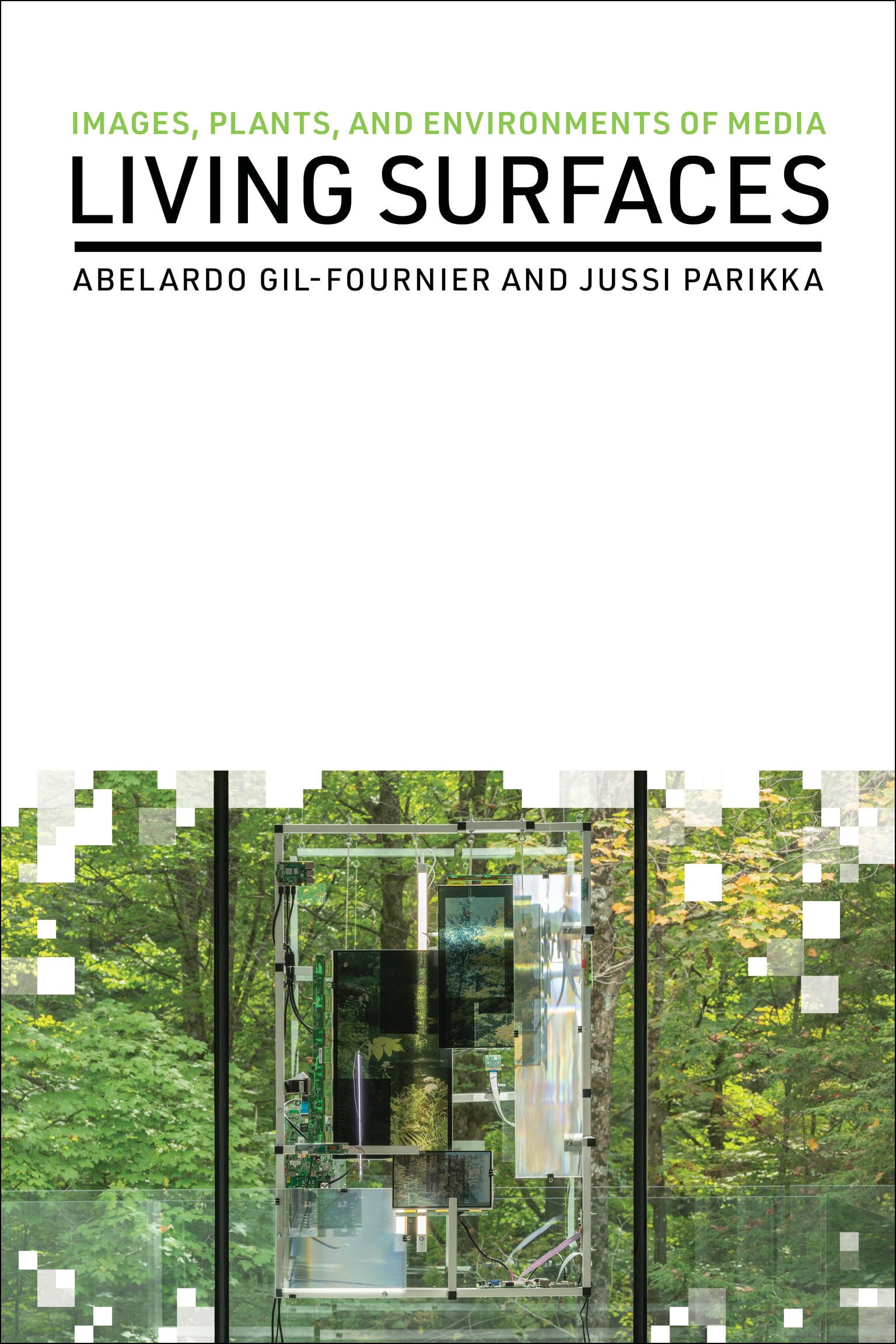
Living Surfaces: Images, Plants, And Environments Of Media (Leonardo),New
Sold by Ergodebooks, an authorized reseller.
Returns accepted within 30 days | support@ergodebooks.com
Shipping Information
- Free Standard Shipping — United States only
- Processing Time: 3–5 business days
- Estimated Delivery: 6–10 business days after dispatch
- Double-boxed, fully insured & discreetly packaged
- Tracking number sent via email once dispatched
Returns & Refund
Returns accepted within 30 days of delivery.
Damaged or Defective Item
Free return shipping + replacement or full refund
Wrong Item Received
Free return shipping + replacement or full refund
Change of Mind
Return shipping at customer's expense · 25% restocking fee applies
Payment Option

An investigation of aesthetics and visualizations of planetary surfaces from an experimental media theory perspective.What if every vista, every islandindeed, every geographical feature on Earthcould be viewed as an art object? In Living Surfaces, Abelardo GilFournier and Jussi Parikka explore how the surface of the Earth has, over the last two centuries, become known and perceived as an environment of images. Living Surfaces features a range of case studies from eighteenthcentury experiments with and observations of vegetal matter, photosynthesis, and plant physiology to twentyfirstcentury machine vision and AI techniques of calculating agricultural and other landscape surfaces. Mapping these different scales of vegetal images, GilFournier and Parikka help us understand core questions that pertain to the artistic and architectural reference points for the Anthropocene.With 42 blackandwhite and fullcolor illustrations, Living Surfaces is an engaging and unique take on environmental surfaces as they come to occupy a central place in our understanding of planetary change.
⚠️ WARNING (California Proposition 65):
This product may contain chemicals known to the State of California to cause cancer, birth defects, or other reproductive harm.
For more information, please visit www.P65Warnings.ca.gov.
- Q: What is the page count of the book? A: The book contains three hundred twenty-eight pages. This makes it a substantial read, providing in-depth insights into environmental aesthetics.
- Q: What type of binding does this book have? A: The book is available in paperback binding. This format is lightweight and flexible, making it easy to handle and read.
- Q: What are the dimensions of 'Living Surfaces'? A: The book measures six inches in length, zero point seventy-nine inches in width, and nine point zero two inches in height. These dimensions make it a convenient size for both reading and display.
- Q: Who are the authors of this book? A: The book is authored by Abelardo Gil-Fournier and Jussi Parikka. Both are noted for their contributions to media theory and environmental aesthetics.
- Q: What is the main theme of 'Living Surfaces'? A: The main theme revolves around the aesthetics and visualizations of planetary surfaces. It explores how these surfaces are perceived as art objects.
- Q: Is this book suitable for all age groups? A: Yes, this book is suitable for a general audience, including adults and older teens interested in environmental studies and media theory.
- Q: How can I use this book for research? A: You can use this book as a resource for understanding the intersection of media theory and environmental aesthetics. It includes case studies that can enrich academic work.
- Q: Does this book include illustrations? A: Yes, 'Living Surfaces' features forty-two black-and-white and full-color illustrations. These visuals complement the text and enhance the reading experience.
- Q: How should I store this book to keep it in good condition? A: Store the book in a cool, dry place away from direct sunlight. Keeping it upright on a shelf can help maintain its shape.
- Q: What if the book arrives damaged? A: If the book arrives damaged, you should contact the seller for a return or replacement. Most retailers have policies to handle such issues.
- Q: How do I clean the book if it gets dirty? A: To clean the book, gently wipe it with a dry cloth. Avoid using water or cleaning solutions, as they can damage the pages.
- Q: Is there any specific audience this book is targeted towards? A: The book primarily targets readers interested in environmental studies, media theory, and the Anthropocene. It's suitable for both students and professionals.
- Q: What kind of case studies does this book include? A: The book includes case studies ranging from eighteenth-century plant physiology to twenty-first-century AI techniques in landscape analysis. These diverse examples illustrate its themes.
- Q: Can this book help with understanding planetary change? A: Yes, 'Living Surfaces' provides insights into how environmental surfaces relate to planetary change, making it relevant for ecological discussions.
- Q: Is the book part of a series or standalone? A: This book appears to be a standalone title. It offers a unique perspective on its subject matter without being part of a series.
- Q: What is the publisher of this book? A: The book is published by The MIT Press. This publisher is known for its academic and innovative titles.