
Title
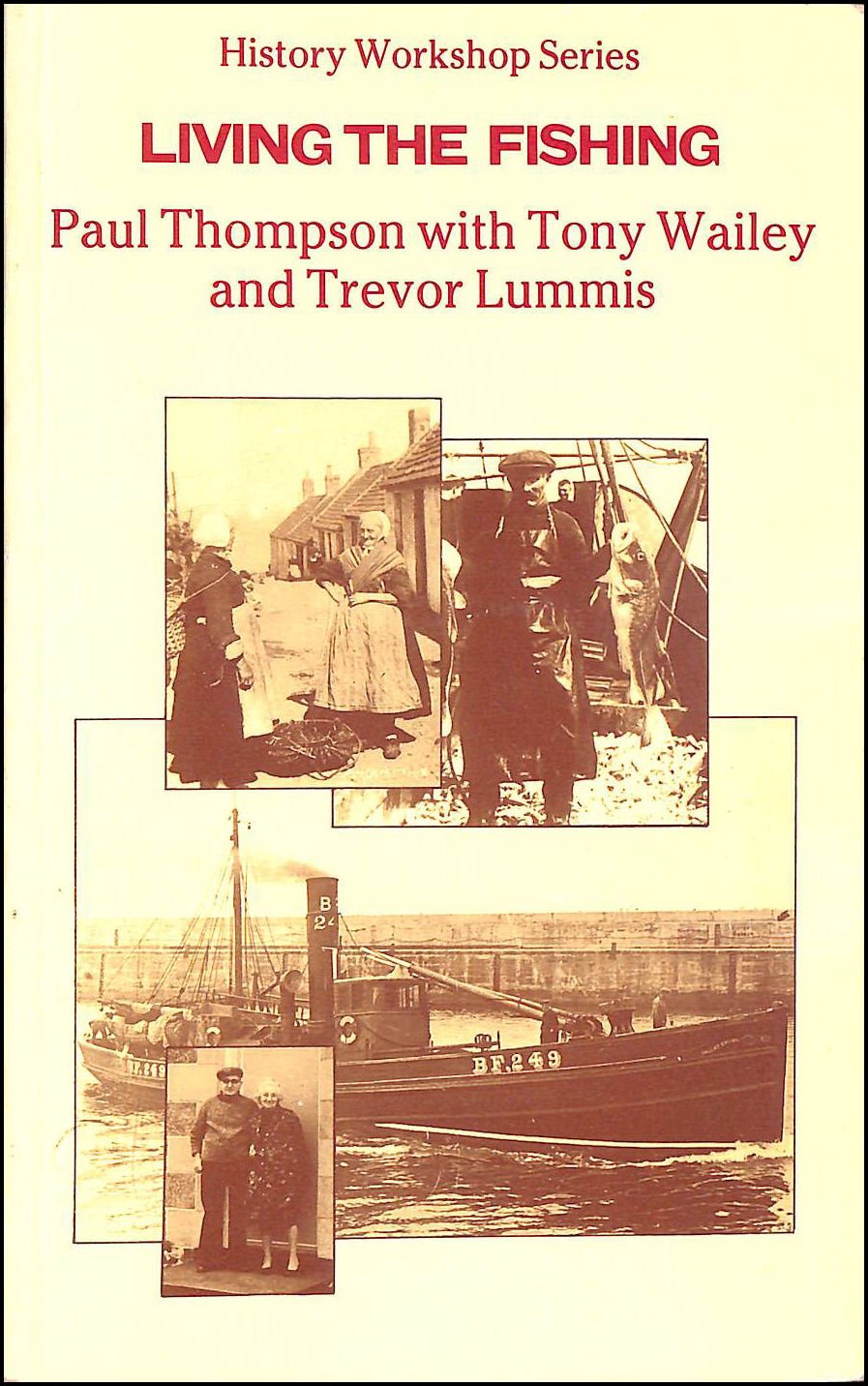
Living The Fishing,Used
Sold by Ergodebooks, an authorized reseller.
Returns accepted within 30 days | support@ergodebooks.com
Shipping Information
- Free Standard Shipping — United States only
- Processing Time: 3–5 business days
- Estimated Delivery: 6–10 business days after dispatch
- Double-boxed, fully insured & discreetly packaged
- Tracking number sent via email once dispatched
Returns & Refund
Returns accepted within 30 days of delivery.
Damaged or Defective Item
Free return shipping + replacement or full refund
Wrong Item Received
Free return shipping + replacement or full refund
Change of Mind
Return shipping at customer's expense · 25% restocking fee applies
Payment Option

1983, British Trade Paperback Edition, Routledge & Kegan Paul, London, U.K. 398 Pages. Maps / B&W Photos Throughout. Very Unusual Title, Beautifully Done, Which Deals With The Issue Of '... The Past And The Future Of All Who Live From The Sea.' Drawing On More Than 150 Life Story Interviews With Men And Women From Scottish And English Fishing Communities, The Book Also Bases Itself On Hitherto Unused Private And Public Records. A Really Well Done Title In The Publishers History Workshop Series.
⚠️ WARNING (California Proposition 65):
This product may contain chemicals known to the State of California to cause cancer, birth defects, or other reproductive harm.
For more information, please visit www.P65Warnings.ca.gov.
- Q: How many pages does 'Living the Fishing' have? A: This book has three hundred ninety-eight pages. It provides a thorough exploration of fishing communities through interviews and records.
- Q: What is the binding type of this book? A: The book is available in a paperback binding. This makes it flexible and easy to handle for reading.
- Q: Who are the authors of 'Living the Fishing'? A: The authors are Paul Richard Thompson, Trevor Lummis, and Tony Wailey. They combine their expertise to present a rich narrative about fishing communities.
- Q: What is the subject matter of the book? A: The book explores the past and future of those who live from the sea. It includes personal stories from individuals in fishing communities.
- Q: Is 'Living the Fishing' suitable for young readers? A: Yes, the book is suitable for young readers. However, it may be more engaging for older teens and adults interested in historical narratives.
- Q: Can I use this book for research on fishing communities? A: Yes, the book is an excellent resource for research. It draws on over one hundred fifty interviews and public records.
- Q: How should I store 'Living the Fishing' to keep it in good condition? A: Store the book in a cool, dry place. Avoid direct sunlight to prevent fading of the cover and pages.
- Q: Is 'Living the Fishing' a good choice for academic studies? A: Yes, it is a solid choice for academic studies. The book offers unique insights and primary sources related to fishing communities.
- Q: What is the publication year of 'Living the Fishing'? A: The book was published in nineteen eighty-three. This historical context adds depth to its content.
- Q: What if my copy of 'Living the Fishing' arrives damaged? A: If your copy arrives damaged, contact the seller for a return or exchange. Most retailers offer a satisfaction guarantee.
- Q: Are there any maps or photos included in the book? A: Yes, the book includes maps and black-and-white photos throughout. These visual elements enhance the reader's understanding of the content.
- Q: Is there a warranty for 'Living the Fishing'? A: Typically, there is no warranty for books. However, check with the retailer for their specific return policies.
- Q: How can I clean 'Living the Fishing' if it gets dirty? A: To clean the book, gently wipe the cover with a soft, dry cloth. Avoid using water or cleaning solutions.
- Q: Is 'Living the Fishing' part of a series? A: Yes, it is part of the publisher's History Workshop series. This series focuses on social history topics.
- Q: What themes are explored in 'Living the Fishing'? A: The book explores themes of community, livelihood, and the relationship between people and the sea. It offers a deep dive into cultural aspects of fishing.