
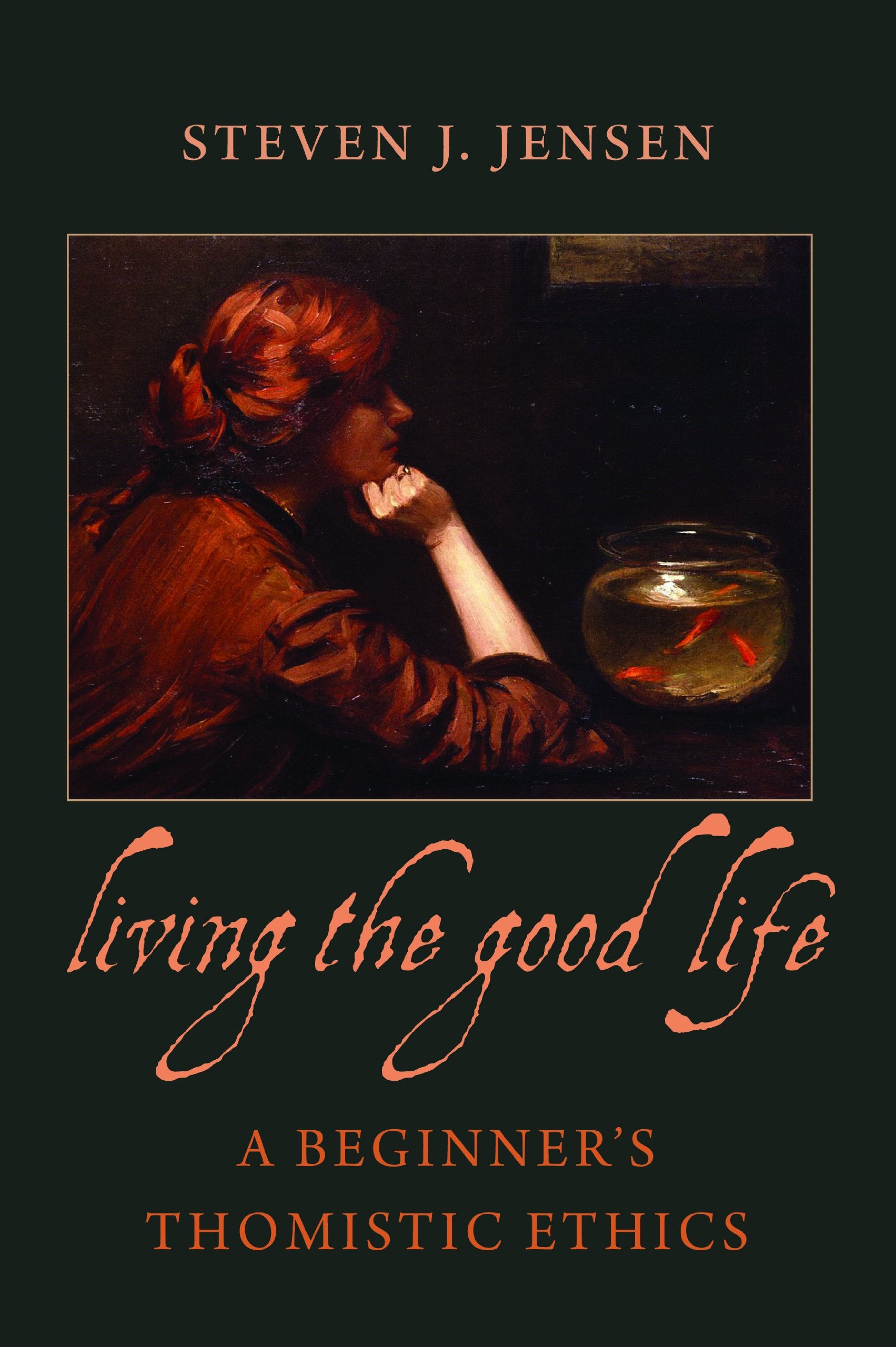
Title
Living The Good Life: A Beginner'S Thomistic Ethics,Used
Sold by Ergodebooks, an authorized reseller.
Returns accepted within 30 days | support@ergodebooks.com
Shipping Information
- Free Standard Shipping — United States only
- Processing Time: 3–5 business days
- Estimated Delivery: 6–10 business days after dispatch
- Double-boxed, fully insured & discreetly packaged
- Tracking number sent via email once dispatched
Returns & Refund
Returns accepted within 30 days of delivery.
Damaged or Defective Item
Free return shipping + replacement or full refund
Wrong Item Received
Free return shipping + replacement or full refund
Change of Mind
Return shipping at customer's expense · 25% restocking fee applies
Payment Option

Living the Good Life presents a brief introduction to virtue and vice, selfcontrol and weakness, misery and happiness. The book contrasts the thought of Aquinas with popular views, such as moral relativism, values clarification, utilitarianism, Kantian deontology, and situation ethics. Following the Socratic dictum 'know thyself,' Steven J. Jensen investigates the interior workings of the human mind, revealing the interplay of reason, will, and emotions. According to Aquinas, in a healthy ethical life, reason guides the emotions and will to the true human good. In an unhealthy life, emotional impulses distort the vision of reason, entrapping one in futile pursuits. In the human struggle to gain selfmastery, a person must overcome the capricious desires that enslave him to false goods.Jensen ably guides readers through Aquinas's philosophy and explains the distinction between the moral and intellectual virtues. The moral virtues train our various desires toward the true good, helping us discard our misguided cravings and teaching us to enjoy what is truly worth pursuing. The virtue of justice directs our hearts to the good of others, freeing us from egoism in order to seek a good shared with others. The intellectual virtues train the mind toward the truth, so that we can find fulfillment in human understanding. Most important, the virtue of prudence directs our deliberations to discover the true path of life.Intended as a text for students, beginners of philosophy will gain access to a key aspect of Aquinas's thought, namely, that true happiness is realized not in the animal life of passion and greed but only in the reasonable pursuit of human goods, in which we find true peace and rest from the distractions of this world.
⚠️ WARNING (California Proposition 65):
This product may contain chemicals known to the State of California to cause cancer, birth defects, or other reproductive harm.
For more information, please visit www.P65Warnings.ca.gov.
- Q: What is the page count of this book? A: The book has two hundred sixteen pages. This length provides a concise yet thorough introduction to Thomistic ethics.
- Q: What are the dimensions of this book? A: The book measures five point four inches in length, zero point six inches in width, and eight point thirty-one inches in height. These dimensions make it a compact read.
- Q: What type of binding does this book have? A: The book is available in paperback binding. This makes it lightweight and easy to handle.
- Q: What is the target audience for this book? A: This book is intended for beginners in philosophy. It serves as an introduction to virtue ethics based on Aquinas's thought.
- Q: Is this book suitable for students? A: Yes, this book is suitable for students. It is designed as a text to help them understand key concepts in Thomistic ethics.
- Q: Can this book help with understanding moral virtues? A: Yes, it provides insights into moral virtues. The author explains how these virtues guide desires toward true good.
- Q: How should I store this book? A: Store the book in a cool, dry place. This will help preserve its condition and prevent damage.
- Q: Is there any specific care needed for this book? A: No special care is needed, but avoid exposure to moisture. Keeping it clean and dry will maintain its quality.
- Q: What should I do if my book arrives damaged? A: Contact the seller immediately for a return or replacement. Ensure you have your order details handy for a smooth process.
- Q: What is the return policy for this book? A: The return policy may vary by seller. Check the specific seller's return guidelines for detailed information.
- Q: How does this book compare to other ethics texts? A: This book uniquely focuses on Thomistic ethics. It contrasts Aquinas's views against contemporary moral theories, providing a distinct perspective.
- Q: Is this book appropriate for someone unfamiliar with philosophy? A: Yes, it is perfect for those new to philosophy. The content is accessible and designed to introduce core philosophical concepts.
- Q: Does this book discuss the concept of happiness? A: Yes, it explores the relationship between true happiness and ethical living. The author emphasizes a reasonable pursuit of human goods.
- Q: What themes are covered in this book? A: The book covers themes such as virtue, vice, self-control, and the distinction between moral and intellectual virtues. These themes are central to Aquinas's philosophy.
- Q: Who is the author of this book? A: The author is Steven J. Jensen. He presents Aquinas's philosophy in a way that is understandable for beginners.
- Q: Is this book considered a text for academic use? A: Yes, it is intended as a text for academic use. It provides foundational knowledge on ethical theories for students.