
Title
Locked In, Locked Out: Gated Communities in a Puerto Rican City (The City in the TwentyFirst Century),Used
Sold by Ergodebooks, an authorized reseller.
Returns accepted within 30 days | support@ergodebooks.com
Shipping Information
- Free Standard Shipping — United States only
- Processing Time: 3–5 business days
- Estimated Delivery: 6–10 business days after dispatch
- Double-boxed, fully insured & discreetly packaged
- Tracking number sent via email once dispatched
Returns & Refund
Returns accepted within 30 days of delivery.
Damaged or Defective Item
Free return shipping + replacement or full refund
Wrong Item Received
Free return shipping + replacement or full refund
Change of Mind
Return shipping at customer's expense · 25% restocking fee applies
Payment Option

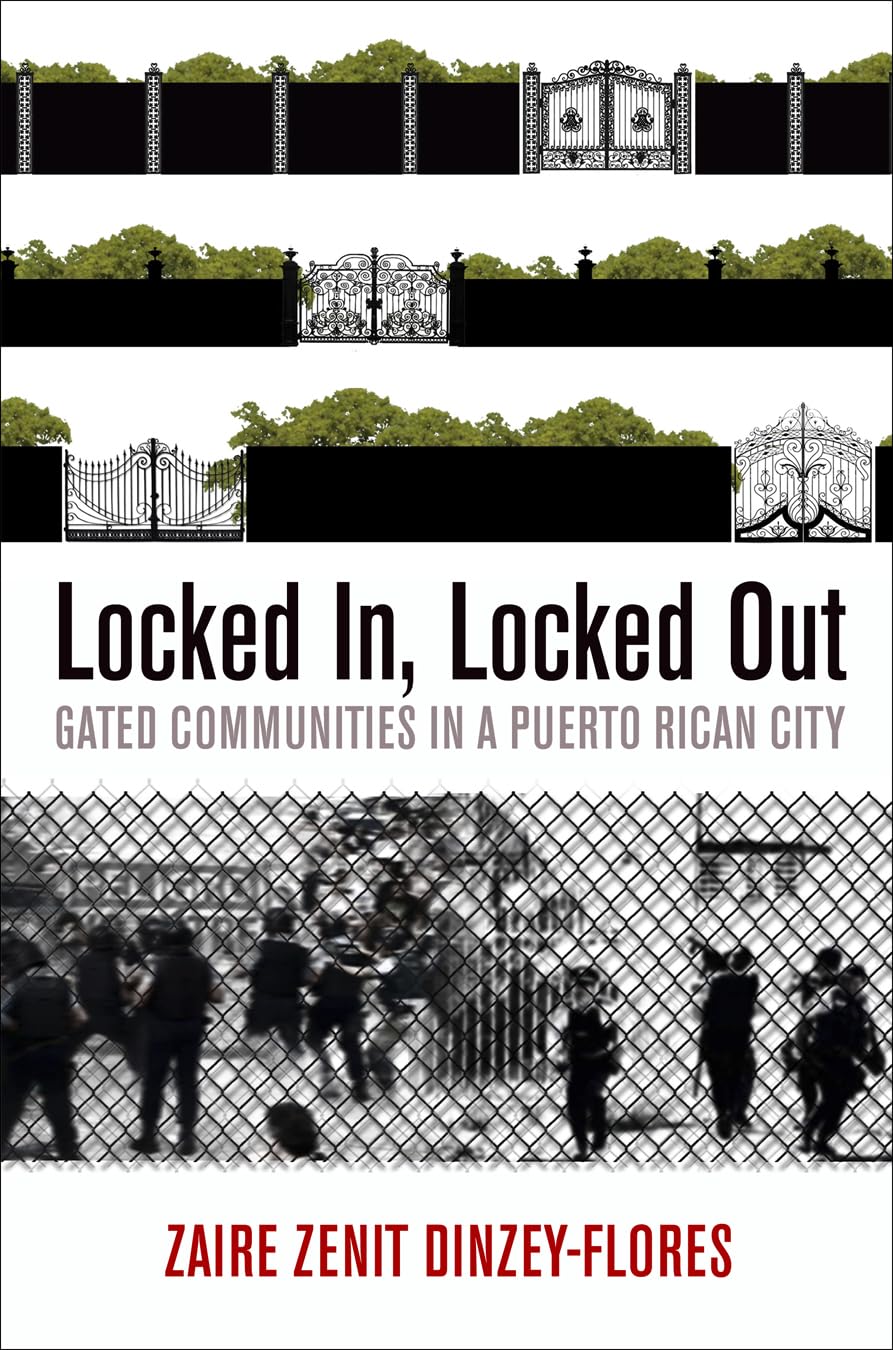
Winner of the 2014 Robert E. Park Award from the American Sociological AssociationIn November 1993, the largest public housing project in the Puerto Rican city of Poncethe second largest public housing authority in the U.S. federal systembecame a gated community. Once the exclusive privilege of the city's affluent residents, gates now not only locked "undesirables" out but also shut them in. Ubiquitous and inescapable, gates continue to dominate presentday Ponce, delineating space within government and commercial buildings, schools, prisons, housing developments, parks, and churches. In Locked In, Locked Out, Zaire Zenit DinzeyFlores shows how such gates operate as physical and symbolic ways to distribute power, reroute movement, sustain social inequalities, and cement boundary lines of class and race across the city.In its exploration of four communities in Poncetwo private subdivisions and two public housing projectsLocked In, Locked Out offers one of the first ethnographic accounts of gated communities devised by and for the poor. DinzeyFlores traces the proliferation of gates on the island from Spanish colonial fortresses to the New Deal reform movement of the 1940s and 1950s, demonstrating how urban planning practices have historically contributed to the current trend of community divisions, shrinking public city spaces, and privatizing gardens. Through interviews and participant observation, she argues that gates have transformed the twentyfirstcentury city by fostering isolation and promoting segregation, ultimately shaping the life chances of people from all economic backgrounds. Relevant and engaging, Locked In, Locked Out reveals how built environments can create a cartography of disadvantageaffecting those on both sides of the wall.
⚠️ WARNING (California Proposition 65):
This product may contain chemicals known to the State of California to cause cancer, birth defects, or other reproductive harm.
For more information, please visit www.P65Warnings.ca.gov.