
Title
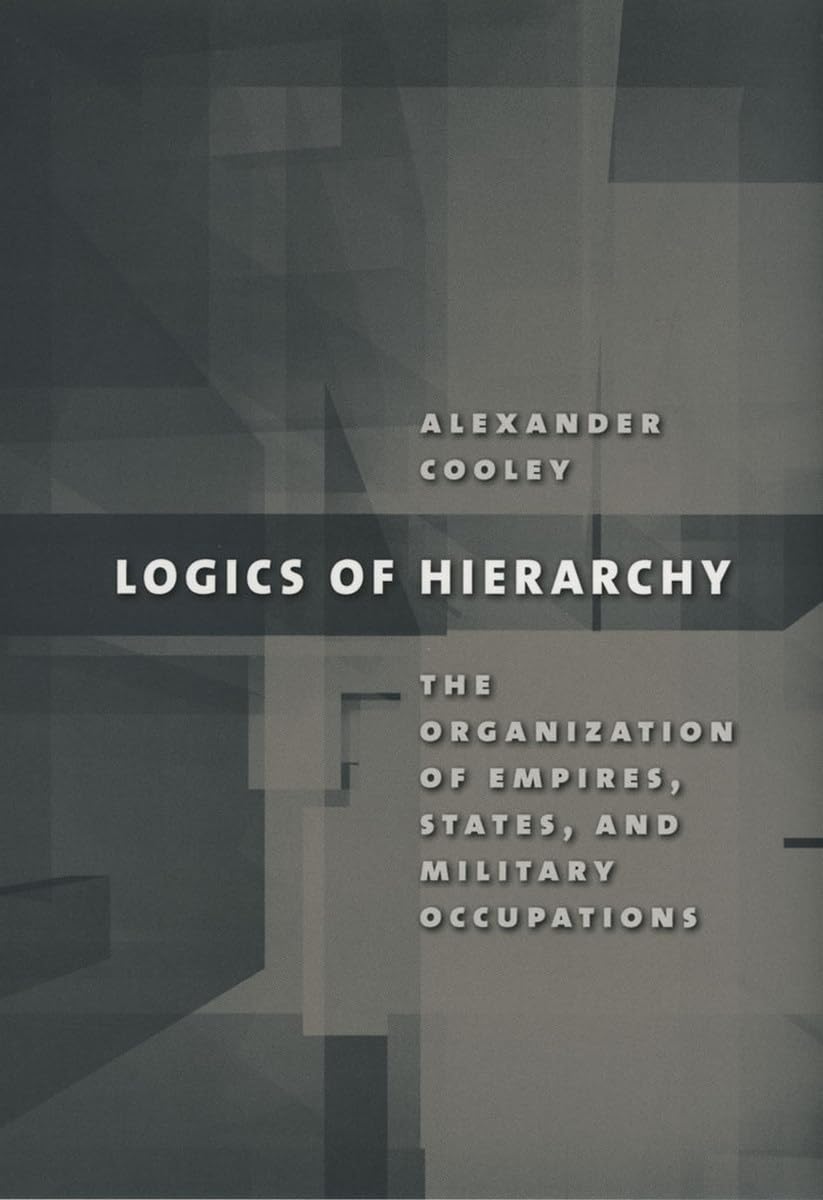
Logics of Hierarchy: The Organization of Empires, States, and Military Occupations,Used
Sold by Ergodebooks, an authorized reseller.
Returns accepted within 30 days | support@ergodebooks.com
Shipping Information
- Free Standard Shipping — United States only
- Processing Time: 3–5 business days
- Estimated Delivery: 6–10 business days after dispatch
- Double-boxed, fully insured & discreetly packaged
- Tracking number sent via email once dispatched
Returns & Refund
Returns accepted within 30 days of delivery.
Damaged or Defective Item
Free return shipping + replacement or full refund
Wrong Item Received
Free return shipping + replacement or full refund
Change of Mind
Return shipping at customer's expense · 25% restocking fee applies
Payment Option

Political science has had trouble generating models that unify the study of the formation and consolidation of various types of states and empires. The businessadministration literature, however, has long experience in observing organizations. According to a dominant model in this field, business firms generally take one of two forms: unitary (U) or multidivisional (M). The Uform organizes its various elements along the lines of administrative functions, whereas the Mform governs its periphery according to geography and territory. In Logics of Hierarchy, Alexander Cooley applies this model to political hierarchies across different cultures, geographical settings, and historical eras to explain a variety of seemingly disparate processes: state formation, imperial governance, and territorial occupation.Cooley illustrates the power of this formal distinction with detailed accounts of the experiences of Central Asian republics in the Soviet and postSoviet eras, and compares them to developments in the former Yugoslavia, the governance of modern European empires, Korea during and after Japanese occupation, and the recent U.S. occupation of Iraq. In applying this model, Logics of Hierarchy reveals the varying organizational ability of powerful states to promote institutional transformation in their political peripheries and the consequences of these formations in determining pathways of postimperial extrication and statebuilding. Its focus on the common organizational problems of hierarchical polities challenges much of the received wisdom about imperialism and postimperialism.
⚠️ WARNING (California Proposition 65):
This product may contain chemicals known to the State of California to cause cancer, birth defects, or other reproductive harm.
For more information, please visit www.P65Warnings.ca.gov.