
Title
Lone Star Suburbs: Life On The Texas Metropolitan Frontier,New
Sold by Ergodebooks, an authorized reseller.
Returns accepted within 30 days | support@ergodebooks.com
Shipping Information
- Free Standard Shipping — United States only
- Processing Time: 3–5 business days
- Estimated Delivery: 6–10 business days after dispatch
- Double-boxed, fully insured & discreetly packaged
- Tracking number sent via email once dispatched
Returns & Refund
Returns accepted within 30 days of delivery.
Damaged or Defective Item
Free return shipping + replacement or full refund
Wrong Item Received
Free return shipping + replacement or full refund
Change of Mind
Return shipping at customer's expense · 25% restocking fee applies
Payment Option

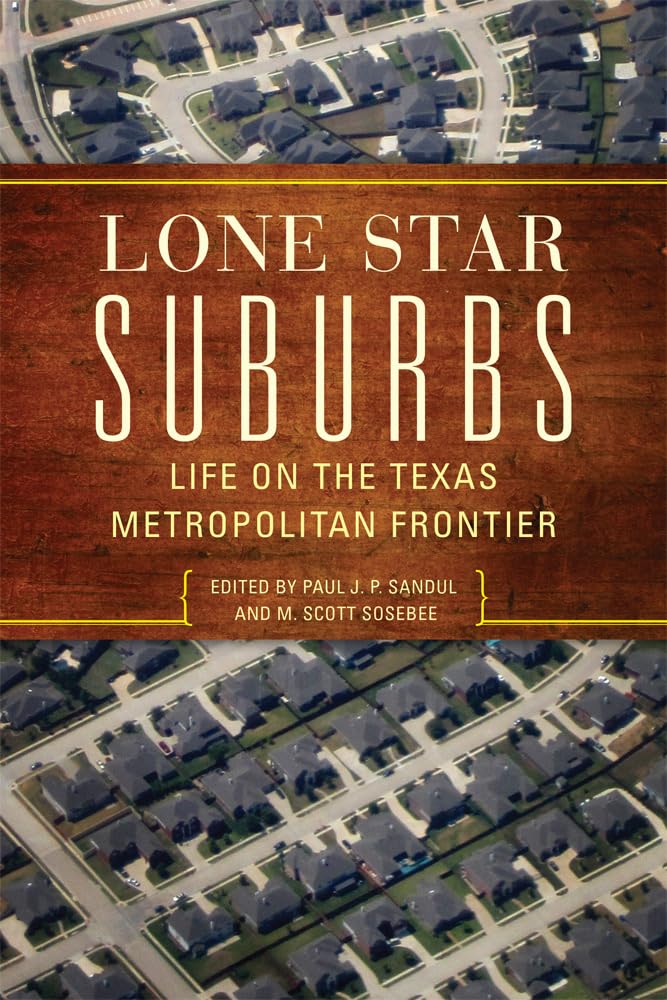
How is it that nearly 90 percent of the Texan population currently lives in metropolitan regions, but many Texans still embrace and promote a vision of their states nineteenthcentury rural identity? This is one of the questions the editors and contributors to Lone Star Suburbs confront. One answer, they contend, may be the long shadow cast by a Texas myth that has served the dominant culture while marginalizing those on the fringes. Another may be the criticism suburbia has endured for undermining the very romantic individuality that the Texas myth celebrates.From the 1950s to the present, cultural critics have derided suburbs as landscapes of sameness and conformity. Only recently have historians begun to document the multidimensional industrial and ethnic aspects of suburban life as well as the development of multifamily housing, services, and leisure facilities. In Lone Star Suburbs, urban historian Paul J. P. Sandul, Texas historian M. Scott Sosebee, and ten contributors move the discussion of suburbia well beyond the stereotype of endless blocks of white middleclass neighborhoods and fill a gap in our knowledge of the Lone Star State.This collection supports the claim that Texas is not only primarily suburban but also the most representative example of this urban form in the United States. Essays consider transportation infrastructure, urban planning, and professional sports as they relate to the suburban ideal; the experiences of African Americans, Asian Americans, and Latinos in Texas metropolitan areas; and the environmental consequences of suburbanization in the state.Texas is no longer the bastion of rural life in the United States but nowfor better or worserepresents the leading edge of suburban living. This important book offers a first step in coming to grips with that reality.
⚠️ WARNING (California Proposition 65):
This product may contain chemicals known to the State of California to cause cancer, birth defects, or other reproductive harm.
For more information, please visit www.P65Warnings.ca.gov.