
Title
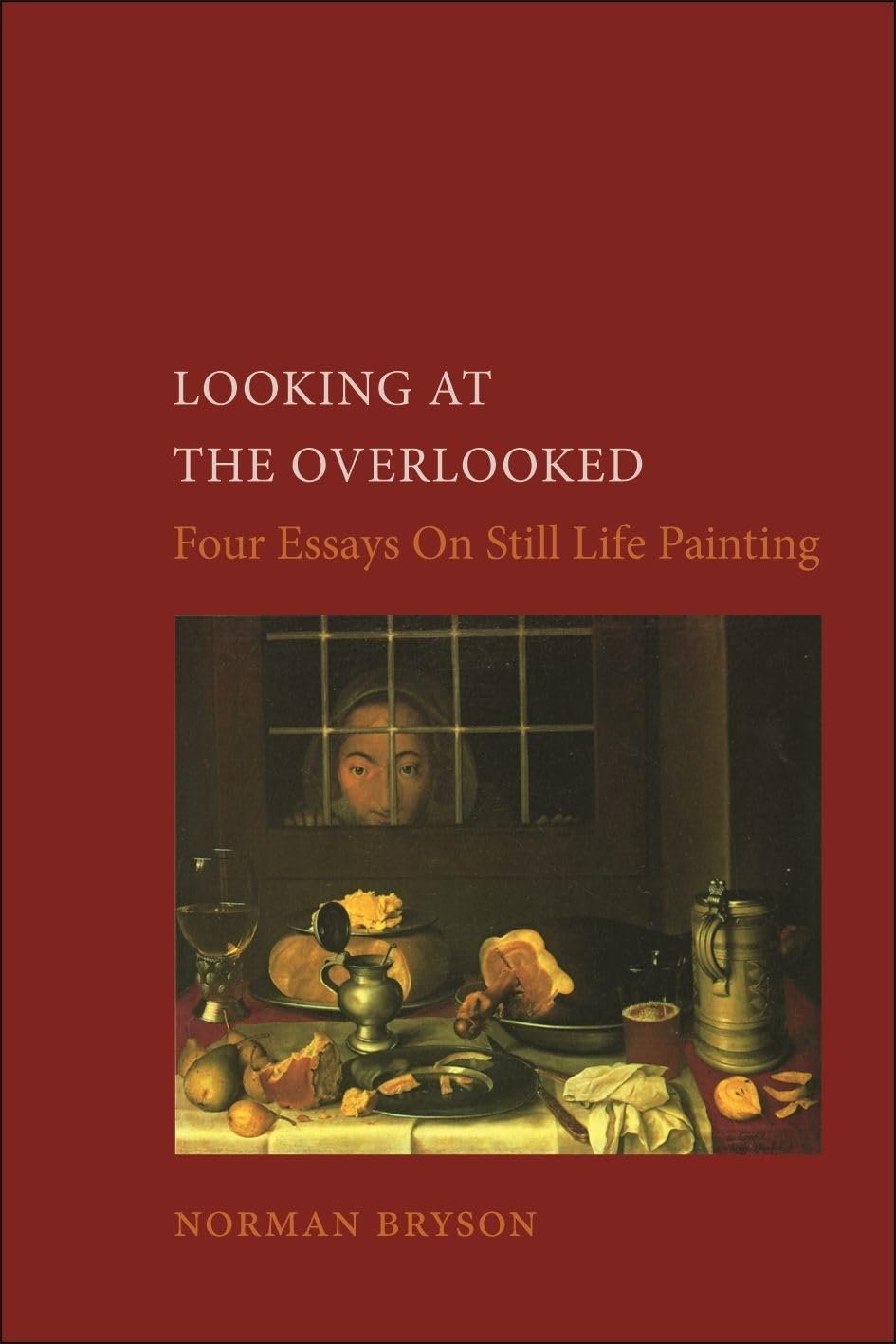
Looking At The Overlooked: Four Essays On Still Life Painting (Essays In Art And Culture (Reaktion Books))
Sold by Ergodebooks, an authorized reseller.
Returns accepted within 30 days | support@ergodebooks.com
Shipping Information
- Free Standard Shipping — United States only
- Processing Time: 3–5 business days
- Estimated Delivery: 6–10 business days after dispatch
- Double-boxed, fully insured & discreetly packaged
- Tracking number sent via email once dispatched
Returns & Refund
Returns accepted within 30 days of delivery.
Damaged or Defective Item
Free return shipping + replacement or full refund
Wrong Item Received
Free return shipping + replacement or full refund
Change of Mind
Return shipping at customer's expense · 25% restocking fee applies
Payment Option

In This, The Only Uptodate Critical Work On Still Life Painting In Any Language, Norman Bryson Analyzes The Origins, History And Logic Of Still Life, One Of The Most Enduring Forms Of Western Painting. The First Essay Is Devoted To Roman Wallpainting While In The Second The Author Surveys A Major Segment In The History Of Still Life, From Seventeenthcentury Spanish Painting To Cubism. The Third Essay Tackles The Controversial Field Of Seventeenthcentury Dutch Still Life. Bryson Concludes In The Final Essay That The Persisting Tendency To Downgrade The Genre Of Still Life Is Profoundly Rooted In The Historical Oppression Of Women.In Looking At The Overlooked, Norman Bryson Is At His Most Brilliant. These Superbly Written Essays Will Stimulate Us To Look At The Entire Tradition Of Still Life With New And Critical Eyes.
⚠️ WARNING (California Proposition 65):
This product may contain chemicals known to the State of California to cause cancer, birth defects, or other reproductive harm.
For more information, please visit www.P65Warnings.ca.gov.
- Q: How many pages does this book have? A: This book has one hundred ninety-two pages. It provides a deep dive into the history and significance of still life painting.
- Q: What is the binding type of this book? A: The binding type is paperback. This makes it lightweight and easy to handle.
- Q: What are the dimensions of this book? A: The dimensions are six inches in length, zero point six inches in width, and nine point zero two inches in height. These measurements make it portable and easy to store.
- Q: Who is the author of this book? A: The author is Norman Bryson. He is known for his critical analyses in the field of art.
- Q: What genre does this book belong to? A: This book belongs to the genre of art essays, specifically focusing on still life painting. It explores various historical contexts and analyses.
- Q: What is the main theme of this book? A: The main theme revolves around the analysis of still life painting across different historical periods. It also addresses the societal perceptions surrounding this genre.
- Q: How do I read or use this book? A: You can read this book at your own pace. It’s suitable for anyone interested in art history or criticism.
- Q: Is this book suitable for art students? A: Yes, this book is suitable for art students. It offers critical insights that can enhance their understanding of still life painting.
- Q: Can I use this book for academic research? A: Yes, you can use this book for academic research. It provides a well-researched perspective on still life that can support various art-related papers.
- Q: How should I store this book? A: Store this book in a cool, dry place away from direct sunlight. This will help preserve its condition over time.
- Q: Is there a specific way to care for this book? A: Yes, handle the book gently and avoid bending the cover. This will help maintain its condition.
- Q: What should I do if the book is damaged during shipping? A: If the book arrives damaged, contact the seller for a return or exchange. Most sellers will have policies in place for such issues.
- Q: Does this book have any illustrations? A: Yes, the book includes illustrations that complement the text. These visuals enhance the understanding of the discussed artworks.
- Q: What makes this book stand out from other art books? A: This book stands out due to its contemporary analysis of still life painting, offering fresh perspectives not found in earlier works.
- Q: Is there a specific audience for this book? A: The book is aimed at art enthusiasts, scholars, and anyone interested in a deeper understanding of still life painting.
- Q: What is the publication year of this book? A: The publication year is not explicitly mentioned, but it is noted as the only up-to-date critical work on still life painting.