
Title
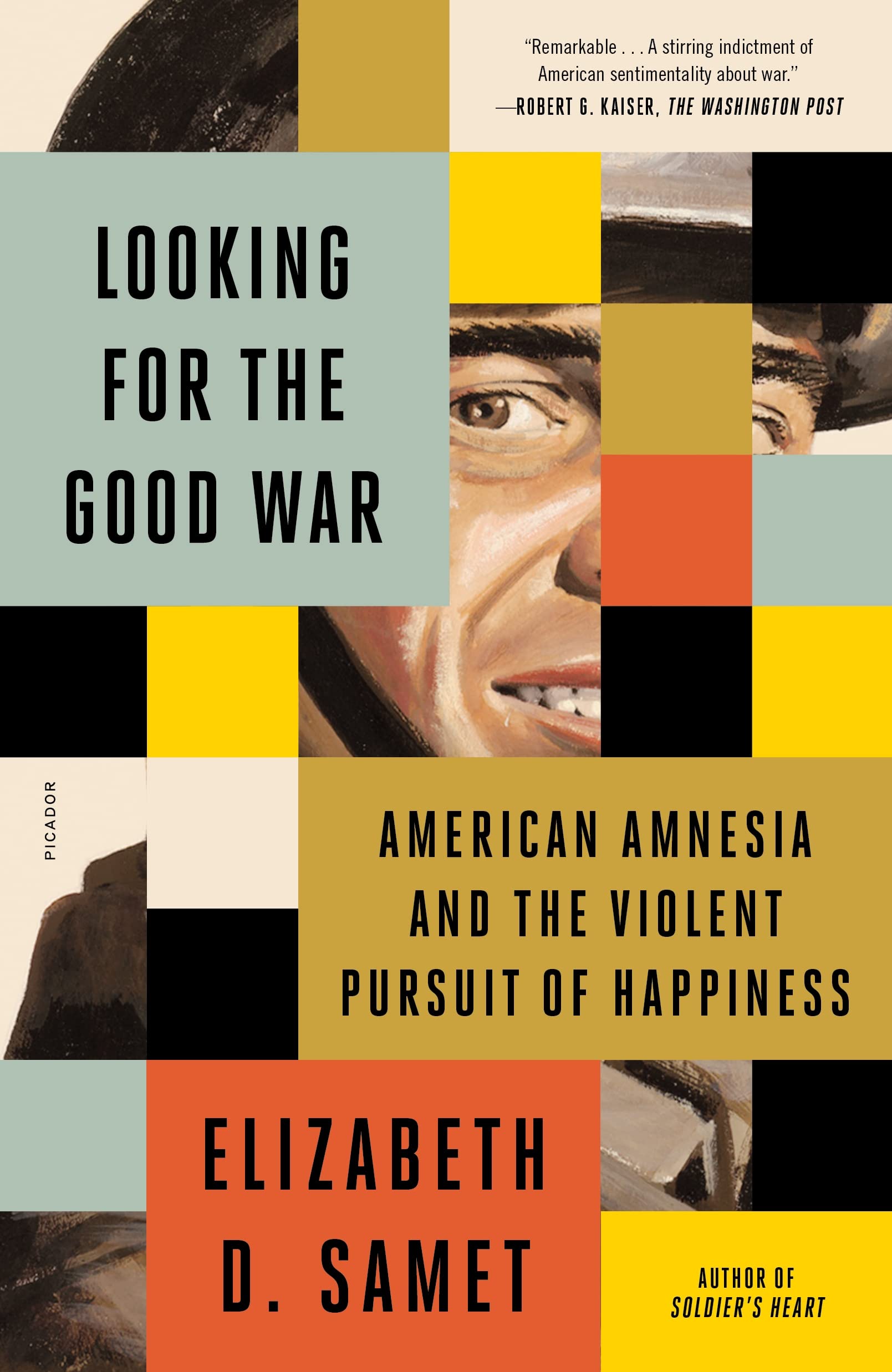
Looking For The Good War
Sold by Ergodebooks, an authorized reseller.
Returns accepted within 30 days | support@ergodebooks.com
Shipping Information
- Free Standard Shipping — United States only
- Processing Time: 3–5 business days
- Estimated Delivery: 6–10 business days after dispatch
- Double-boxed, fully insured & discreetly packaged
- Tracking number sent via email once dispatched
Returns & Refund
Returns accepted within 30 days of delivery.
Damaged or Defective Item
Free return shipping + replacement or full refund
Wrong Item Received
Free return shipping + replacement or full refund
Change of Mind
Return shipping at customer's expense · 25% restocking fee applies
Payment Option

A Wideranging Work Of Cultural History And Criticism That Reexamines The Impact Of Postworld War Ii Myths Of The Good War.Essential Reading. This Eloquent, Farranging Analysis Of The National Psyche Goes As Far As Any Book Ive Ever Read Toward Explaining The Peculiar American Yen For War And More War. Ben Fountain, Author Of Billy Lynns Long Halftime Walk And Beautiful Country Burn Againin Looking For The Good War, Elizabeth D. Samet Examines The Literature, Art, And Culture That Emerged After World War Ii, Bringing Her Expertise As A Professor Of English At West Point To Bear On The Complexity Of The Postwar Period In National Life. She Exposes The Confusion About American Identity That Was Expressed During And Immediately After The War, And The Deep National Ambivalence Toward War, Violence, And Veteransa History That Was Suppressed In Subsequent Decades By A Dangerously Sentimental Attitude Toward The United States Supposedly Exceptional History And Destiny.Samet Discovers The Complex Legacy Of The War In Some Of Its Most Heavily Mythologized Figures: The War Correspondent Epitomized By Ernie Pyle, The Character Of The Erstwhile G.I. Turned Either Cop Or Criminal In The Pulp Fiction And Feature Films Of The Late 1940S, The Disaffected Civil War Veteran Who Looms So Large On The Screen In The Cold Warera Western, And The Resurgent Military Hero Of The Postvietnam Period. Taken Together, These Figures Reveal Key Elements Of Postwar Attitudes Toward Violence, Liberty, And Nationattitudes That Have Shaped Domestic And Foreign Policy And That Respond In Various Ways To Ideas About National Identity And Purpose Established Or Affirmed By World War Ii.As The United States Reassesses Its Roles In Afghanistan And The Middle East, The Time Has Come To Rethink Our National Mythology: The Way That World War Ii Shaped Our Sense Of National Destiny, Our Beliefs About The Use Of American Military Force Throughout The World, And Our Inability To Accept The Realities Of The Twentyfirst Centurys Decades Of Devastating Conflict.
⚠️ WARNING (California Proposition 65):
This product may contain chemicals known to the State of California to cause cancer, birth defects, or other reproductive harm.
For more information, please visit www.P65Warnings.ca.gov.
- Q: How many pages does 'Looking for the Good War' have? A: This book contains three hundred eighty-four pages. It provides an extensive cultural analysis of post-World War II American identity.
- Q: What is the binding type of this book? A: The book is available in paperback binding. This makes it lightweight and easy to carry for readers.
- Q: What are the dimensions of 'Looking for the Good War'? A: The book measures five point thirty-nine inches in length, five point thirty-nine inches in width, and eight point twenty-seven inches in height. These dimensions make it a convenient size for reading.
- Q: Who is the author of the book? A: The author of 'Looking for the Good War' is Elizabeth D. Samet. She is a professor of English at West Point.
- Q: What genre does 'Looking for the Good War' belong to? A: This book falls under cultural history and criticism. It examines the myths surrounding World War II and their impact on American culture.
- Q: Is 'Looking for the Good War' suitable for younger readers? A: Yes, this book is suitable for older teens and adults. It discusses complex themes about war and national identity, which may require mature understanding.
- Q: How does the author approach the topic of war in the book? A: Elizabeth D. Samet critically examines the literature, art, and culture that emerged post-World War II. She highlights the ambivalence toward war in American society.
- Q: What themes are explored in 'Looking for the Good War'? A: The book explores themes of national identity, the legacy of war, and American sentiments toward military conflict. It also touches on the perception of veterans in culture.
- Q: What should I know about the book's cultural impact? A: The book addresses how post-World War II myths shaped American beliefs about military engagement. It reflects on the long-term effects on national psyche.
- Q: How does 'Looking for the Good War' compare to other historical critiques? A: This book offers a unique perspective by combining literature, art, and cultural analysis. It stands out for its in-depth examination of the myths surrounding the 'good war'.
- Q: What if I receive a damaged copy of 'Looking for the Good War'? A: If your copy arrives damaged, you should contact the seller for a return or exchange. Most sellers have a customer service policy for such issues.
- Q: Is there a warranty or guarantee for 'Looking for the Good War'? A: Typically, books do not come with a warranty. However, a satisfaction guarantee may be offered by the retailer.
- Q: How should I care for my paperback copy of 'Looking for the Good War'? A: To keep your paperback in good condition, store it in a dry place and avoid exposure to direct sunlight. Handle it gently to prevent wear.
- Q: Can I return 'Looking for the Good War' if I'm not satisfied? A: Yes, most retailers allow returns within a specified period if you are not satisfied with the purchase. Check the return policy before buying.
- Q: Is there a digital version of 'Looking for the Good War' available? A: Yes, a digital version of this book is available for e-readers. This format allows for easy access and portability.