
Title
Looking West (Contemporary Ethnography),New
Sold by Ergodebooks, an authorized reseller.
Returns accepted within 30 days | support@ergodebooks.com
Shipping Information
- Free Standard Shipping — United States only
- Processing Time: 3–5 business days
- Estimated Delivery: 6–10 business days after dispatch
- Double-boxed, fully insured & discreetly packaged
- Tracking number sent via email once dispatched
Returns & Refund
Returns accepted within 30 days of delivery.
Damaged or Defective Item
Free return shipping + replacement or full refund
Wrong Item Received
Free return shipping + replacement or full refund
Change of Mind
Return shipping at customer's expense · 25% restocking fee applies
Payment Option

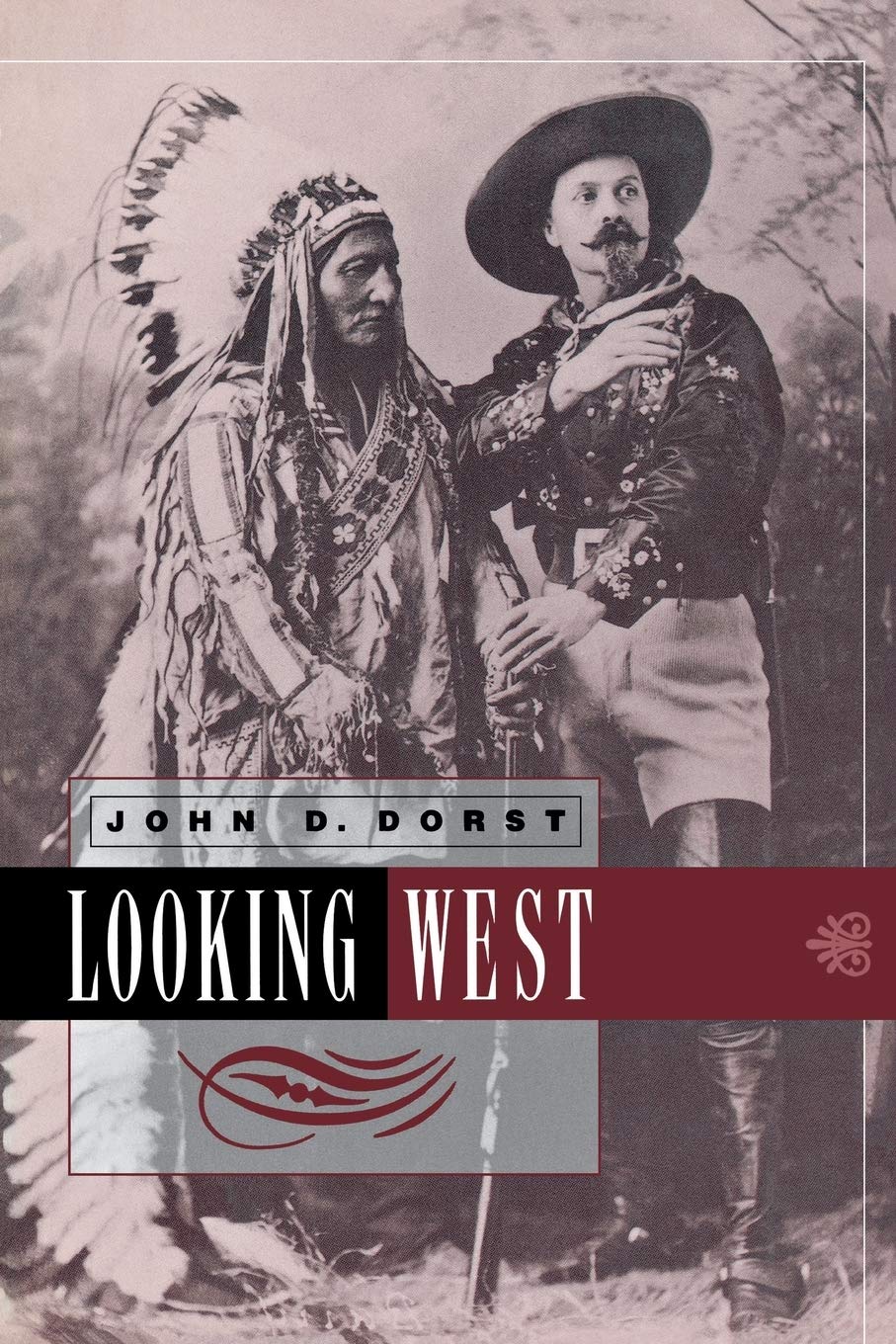
The American West is a region, perhaps more than any other in the United States, that comes to us in visual terms. The grand landscapes, open vistas, and magisterial views have made the act of looking a defining feature of how we experience the West as an actual place. In Looking West, John D. Dorst examines a largely neglected pattern of seeing that stands in contrast to the universally familiar iconography.When we engage in the act of looking, contends Dorst, we inevitably do so according to historically determined patterns'discourses of seeing.' It is a central premise of Looking West that over roughly the last one hundred years the American West, both as a physical location and as an imagined place, has been an important laboratory for the production of modern visual discourses.Through a series of Western textsfolkloric, photographic, literary, and historicalDorst outlines another pattern of looking West, one characterized by optical distortion, faulty vision, and the ambiguous intersection of spectatorship, display, and covert observation. He applies the insights gained from this analysis of discursive patterns to various cultural displays located in the contemporary West. In a series of ethnographic case studiestwo folk art displays, a Western heritage theme park, and Devils Tower National Monumenthe shows how this other discourse plays out at actual sites and institutions.Dorst offers an account of visual practices that, though dressed in the images and narratives of the American West, are in fact characteristic of our modern consumer culture in general. This interdisciplinary combination of discursive analysis with ethnographic observation and material culture interpretation makes Looking West an original contribution to the fields of visual culture studies, American studies, and Western studies.
⚠️ WARNING (California Proposition 65):
This product may contain chemicals known to the State of California to cause cancer, birth defects, or other reproductive harm.
For more information, please visit www.P65Warnings.ca.gov.